Dental Inlays vs Onlays: Which Option Is Best for Your Smile?
Blog
Dental Inlays vs Onlays: Which Option Is Best for Your Smile?
When a tooth is too damaged for a simple filling but not severe enough to require a full crown, dental inlays and onlays offer a perfect middle-ground solution. At Oceanside Family Dental, patients in Oceanside, NY, often ask: Which one is right for me—an inlay or an onlay?
Understanding the difference between these two restorative options can help you make a confident, informed decision about your oral health and long-term smile.
What Are Dental Inlays and Onlays?
Dental inlays and onlays are custom-made restorations designed to repair moderate tooth damage. They are typically crafted from durable materials like porcelain, composite resin, or gold and are bonded to your natural tooth.
Dental Inlays
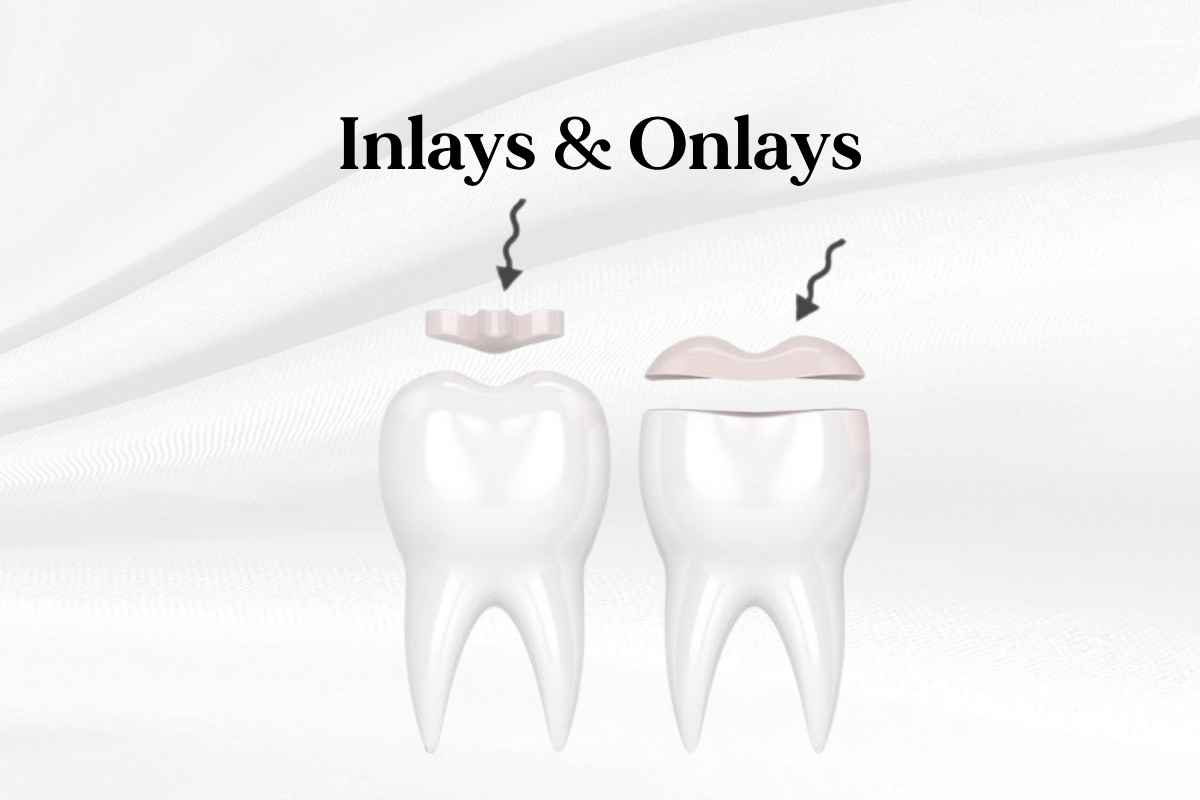
Inlays fit within the grooves of your tooth, specifically between the cusps (the raised edges on the chewing surface).
Best for:
- Small to moderate decay
- Damage confined to the center of the tooth
- Teeth that don’t require full structural coverage
Dental Onlays
Onlays extend beyond the cusps, covering one or more cusps or the entire biting surface.
Best for:
- Larger areas of decay or damage
- Weak or cracked cusps
- Teeth that need more reinforcement than an inlay can provide
Key Differences Between Inlays and Onlays
Understanding how these restorations differ can help determine which option is best for your smile.
1. Coverage Area
- Inlays: Fit inside the tooth
- Onlays: Extend over the tooth’s cusps
2. Strength & Protection
- Inlays: Provide moderate strength
- Onlays: Offer greater protection and reinforcement
3. Tooth Preservation
Both options preserve more of your natural tooth compared to crowns, but:
- Inlays: Remove less tooth structure
- Onlays: Slightly more coverage, but still conservative
4. Cost
- Inlays are generally less expensive than onlays
- Onlays may cost more due to their larger size and complexity
Benefits of Dental Inlays and Onlays
Patients in Oceanside, NY, choose inlays and onlays for their combination of durability and aesthetics.
Natural Appearance
Porcelain inlays and onlays are designed to match your tooth color, making them virtually invisible.
Long-Lasting Solution
With proper care, they can last 10–20 years or longer, making them a cost-effective investment.
Conservative Treatment
Unlike crowns, inlays and onlays preserve more of your natural tooth structure.
Improved Strength
Onlays, in particular, strengthen weakened teeth and reduce the risk of fractures.
When Do You Need an Inlay or Onlay?
Your dentist may recommend one of these restorations if you have:
- Moderate tooth decay
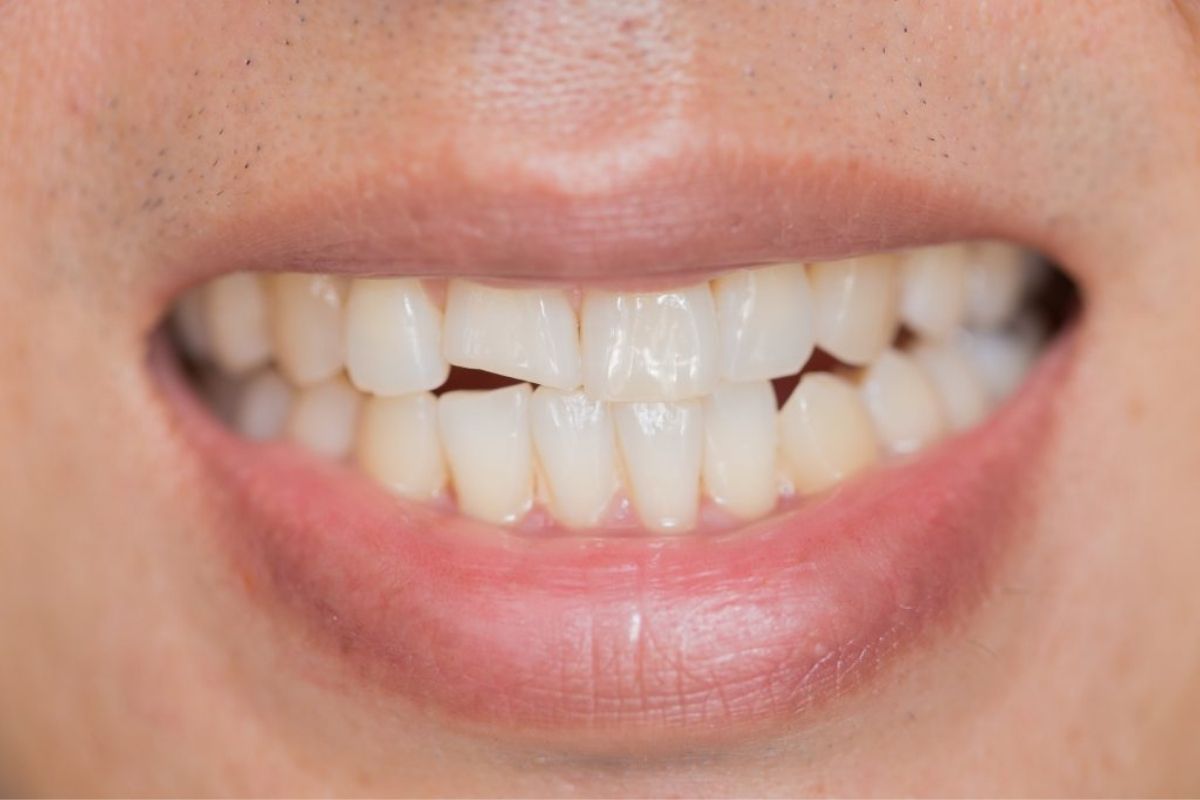
- A fractured or chipped tooth
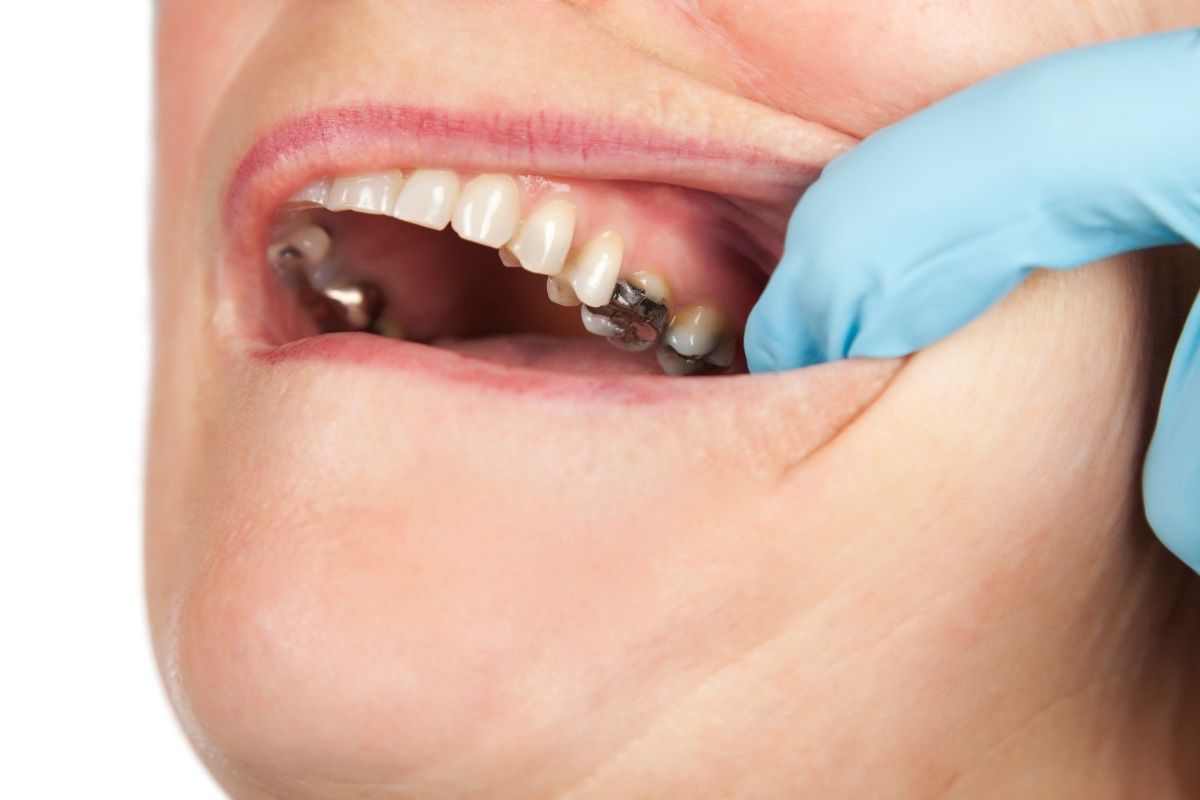
- Old or failing fillings
- Structural damage that doesn’t require a crown
Early intervention is key—delaying treatment can lead to more extensive procedures like root canals or crowns.
The Procedure: What to Expect
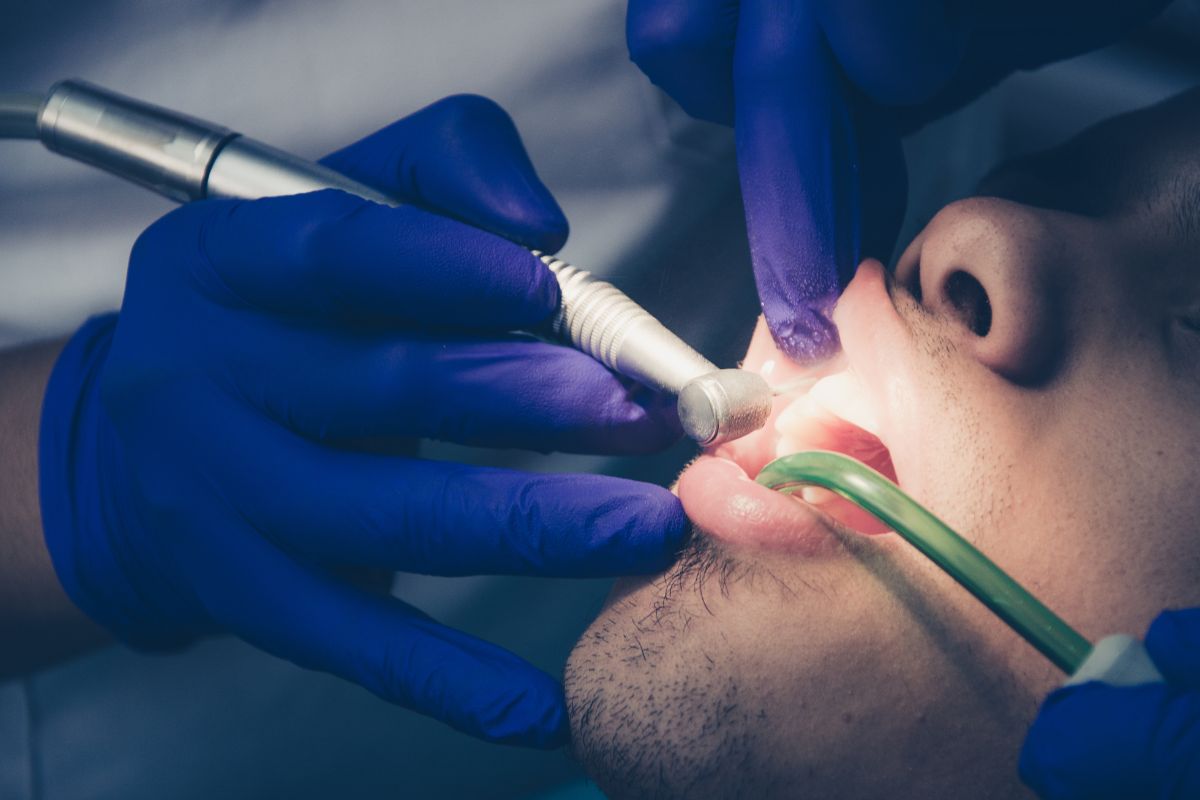
At Oceanside Family Dental, the process is comfortable, efficient, and tailored to your needs.
Step 1: Examination & Preparation
Your dentist will assess the tooth and remove any decay or damaged areas.
Step 2: Impression
A precise impression or digital scan is taken to create a custom restoration.
Step 3: Temporary Restoration
A temporary inlay or onlay may be placed while your permanent one is being fabricated.
Step 4: Placement
Once ready, the restoration is bonded securely to your tooth, restoring function and aesthetics.
Inlays vs Onlays vs Crowns: Which Is Better?
Many patients wonder how these options compare to dental crowns.
| Feature | Inlay | Onlay | Crown |
|---|---|---|---|
| Coverage | Inside tooth | Covers cusps | Covers entire tooth |
| Tooth Preservation | High | Moderate | Lowest |
| Strength | Moderate | High | Very high |
| Cost | Lower | Moderate | Higher |
Bottom line:
- Choose inlays for smaller repairs
- Choose onlays for larger damage without the need for a full crown
- Choose crowns when the tooth is severely compromised
How to Care for Your Inlays or Onlays
Proper care ensures longevity and optimal performance.
Daily Oral Hygiene
- Brush twice daily with fluoride toothpaste
- Floss regularly to prevent decay around the restoration
Avoid Hard Foods
Minimize chewing on ice, hard candies, or non-food objects.
Regular Dental Visits
Routine checkups help monitor your restoration and overall oral health.
Why Choose Oceanside Family Dental?
Patients in Oceanside, NY, trust Oceanside Family Dental for high-quality restorative care because of:
- Advanced dental technology
- Personalized treatment plans
- Skilled and experienced dental professionals
- Comfortable, patient-focused environment
Whether you need a small repair or a more extensive restoration, the team is dedicated to restoring your smile with precision and care.
Which Option Is Best for Your Smile?
Choosing between an inlay and an onlay depends on the extent of your tooth damage, your oral health goals, and your dentist’s recommendation.
If your damage is minor and confined, an inlay may be sufficient. If your tooth needs more coverage and strength, an onlay could be the better choice.
The best way to know for sure is to schedule a professional evaluation.
Schedule your appointment today at our conveniently located office at 3377 Long Beach Rd #1, Oceanside, NY 11572, and let our expert team help you choose the best solution for a healthier, stronger smile.
FAQs
1. Are inlays and onlays better than fillings?
Yes, they are more durable and provide better protection for moderately damaged teeth compared to traditional fillings.
2. How long do inlays and onlays last?
With proper care, they can last between 10 and 20 years or longer.
3. Is the procedure painful?
No, the procedure is performed under local anesthesia, making it comfortable and pain-free.
4. Are inlays and onlays noticeable?
No, especially porcelain ones—they blend seamlessly with your natural teeth.
5. Can an onlay replace a crown?
In some cases, yes. Onlays are a more conservative alternative when the damage doesn’t require full coverage.