Cracked Teeth vs Chipped Teeth: What’s the Difference and Why It Matters
Blog
Cracked Teeth vs Chipped Teeth: What’s the Difference and Why It Matters
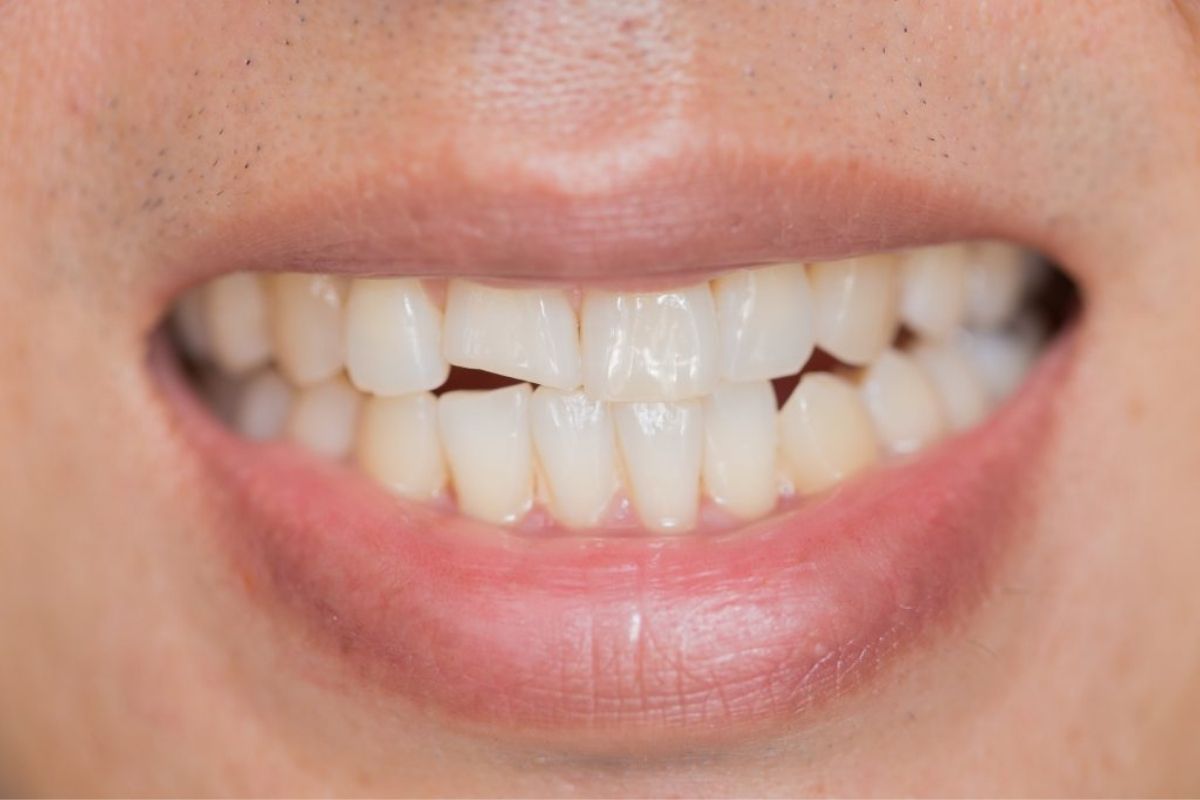
Dental damage can happen when you least expect it—biting into hard food, suffering an injury, or even grinding your teeth at night. While both cracked and chipped teeth may seem similar at first glance, they are very different conditions that require distinct treatments. Understanding the difference is essential to protecting your oral health and preventing further complications.
If you’re experiencing tooth damage in Oceanside, NY, knowing whether you have a cracked or chipped tooth can help you seek the right care at the right time.
What Is a Chipped Tooth?
A chipped tooth occurs when a small piece of enamel breaks off the surface of the tooth. This type of damage is typically minor and often affects the outer layer of the tooth.
Common Causes of Chipped Teeth:
- Biting hard foods like ice, nuts, or candy
- Minor accidents or falls
- Using teeth as tools (opening packages, etc.)
- Natural wear and tear over time
Symptoms of a Chipped Tooth:
- Rough or jagged edges
- Minor sensitivity to hot or cold
- Cosmetic concerns (visible damage)
- Usually, little to no pain
In many cases, chipped teeth are more of a cosmetic issue than a serious dental problem. However, even minor chips should be evaluated by a dentist to ensure no underlying damage exists.
What Is a Cracked Tooth?
A cracked tooth is more serious and involves a fracture that extends deeper into the tooth structure. Unlike chips, cracks can affect the inner layers of the tooth, including the dentin and pulp.
Common Causes of Cracked Teeth:
- Chewing hard foods
- Teeth grinding (bruxism)
- Sudden temperature changes (hot to cold)
- Trauma or injury
- Large fillings weaken the tooth
Symptoms of a Cracked Tooth:
- Sharp pain when biting or chewing
- Intermittent pain that comes and goes
- Sensitivity to temperature changes
- Swelling or discomfort in the surrounding gums
Cracks are not always visible, making them harder to diagnose without professional evaluation.
Key Differences Between Cracked and Chipped Teeth
| Feature | Chipped Tooth | Cracked Tooth |
|---|---|---|
| Severity | Mild | Moderate to severe |
| Affected Area | Outer enamel | Inner tooth structure |
| Pain Level | Usually minimal | Often painful |
| Visibility | Easily visible | Often invisible |
| Treatment | Cosmetic repair | May require restorative or endodontic care |
Understanding these differences is crucial because untreated cracks can worsen over time and potentially lead to tooth loss.
Why the Difference Matters
Many people ignore minor dental damage, assuming it’s not serious. However, misidentifying a cracked tooth as a chipped one can lead to significant complications.
1. Risk of Infection
A crack can expose the inner pulp of the tooth, allowing bacteria to enter and cause infection.
2. Worsening Damage
Cracks tend to spread over time, especially under chewing pressure.
3. Tooth Loss
Severe cracks may require extraction if not treated early.
4. Increased Treatment Costs
Early intervention is typically less invasive and more affordable than treating advanced damage.
Treatment Options for Chipped Teeth
The treatment for a chipped tooth depends on the size and location of the chip.
Common Solutions:
- Dental Bonding: A tooth-colored resin is applied to restore shape
- Dental Veneers: Ideal for front teeth with visible chips
- Dental Crowns: Recommended for larger chips that weaken the tooth
These treatments are generally quick, painless, and highly effective in restoring both function and appearance.
Treatment Options for Cracked Teeth
Cracked teeth require more comprehensive treatment to prevent further damage.
Common Solutions:
- Dental Crowns: Protect and strengthen the tooth
- Root Canal Therapy: Necessary if the pulp is affected
- Tooth Extraction: Required in severe cases where the tooth cannot be saved
Early diagnosis is key to preserving the tooth and avoiding more complex procedures.
When to See a Dentist
You should seek dental care immediately if you experience:
- Pain when chewing
- Sensitivity to hot or cold
- Swelling around a tooth
- Visible damage or rough edges
- Sudden discomfort without a clear cause
Even if the damage seems minor, a professional evaluation can prevent bigger problems down the road.
Preventing Cracked and Chipped Teeth
While accidents can’t always be avoided, there are steps you can take to reduce your risk:
- Avoid chewing hard objects like ice or pens
- Wear a mouthguard during sports
- Use a nightguard if you grind your teeth
- Maintain regular dental checkups
- Address bite issues early
Preventive care plays a major role in maintaining strong, healthy teeth.
If you’re dealing with a cracked or chipped tooth, timely care can make all the difference. Our dental team in Oceanside, NY, provides advanced diagnostic tools and personalized treatment plans to restore your smile quickly and comfortably.
We focus on:
- Accurate diagnosis
- Minimally invasive treatments
- Long-lasting restorative solutions
- Patient comfort and care
Schedule Your Appointment Today
Don’t let a small dental issue turn into a major problem. Whether you suspect a chipped tooth or a more serious crack, our experienced team is here to help. Schedule your appointment today and visit our dental office at 3377 Long Beach Rd #1, Oceanside, NY 11572, to get the expert care you deserve. Restore your smile, protect your oral health, and enjoy peace of mind with professional dental treatment.