How Curodont™ Helps Your Family Prevent Tooth Decay
Blog
How Curodont™ Helps Your Family Prevent Tooth Decay
Tooth decay is one of the most common dental concerns in the United States. It often begins subtly and can go unnoticed until it progresses into cavities, toothaches, infections, or even tooth loss. Fortunately, modern dentistry offers innovative solutions like Curodont™—a needle-free, drill-free approach to preventing and repairing early tooth decay.
At Oceanside Family Dental, Dr. Melissa Rosenfeld and her experienced team are proud to offer Curodont™ treatment for patients of all ages, helping families maintain healthy smiles with minimal discomfort.
Curodont™ is a scientifically advanced treatment designed to repair and strengthen teeth affected by early decay. Unlike traditional approaches that rely on drilling and fillings, this therapy works by stimulating the tooth’s natural remineralization process. By addressing decay at its earliest stage, it helps prevent cavities and reduces the need for more extensive dental procedures.
This treatment uses advanced peptides that integrate with the tooth’s structure to promote enamel regeneration, making teeth stronger and more resistant to future decay.
Why Early Decay Treatment Is Important
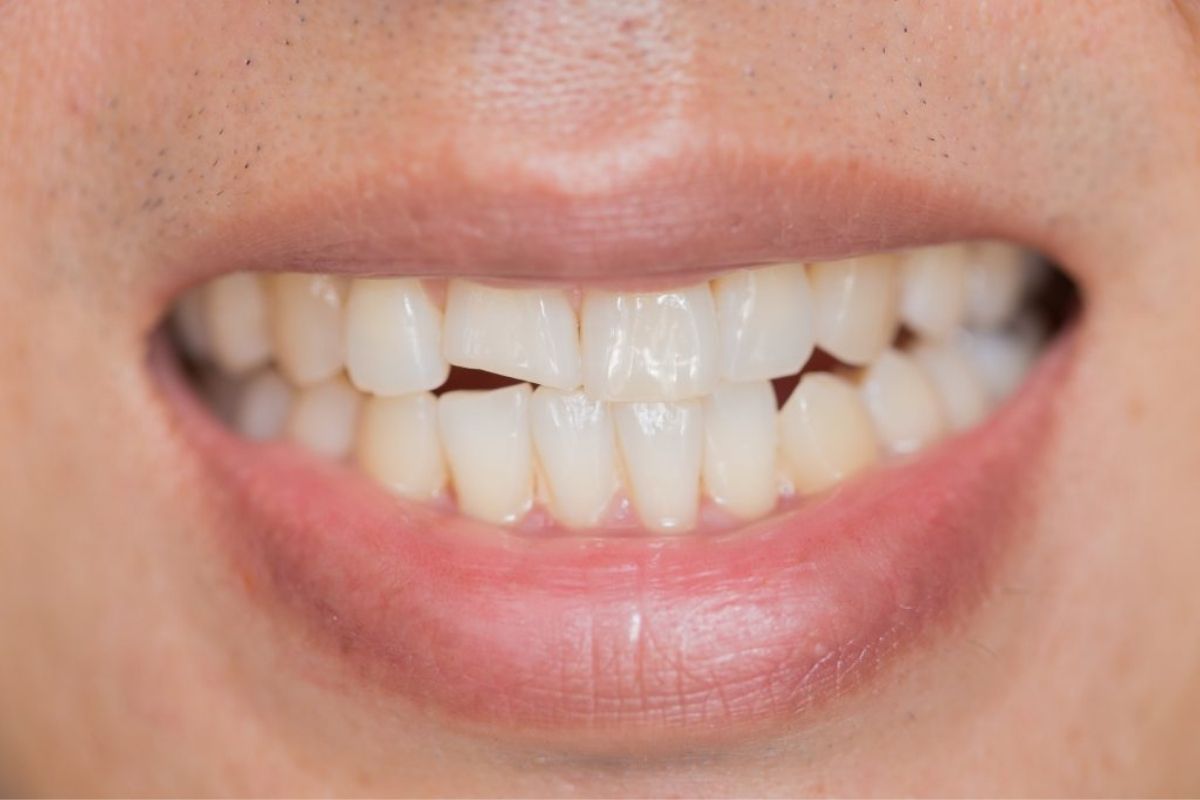
Tooth decay begins when acids produced by bacteria weaken the enamel. In its early stages, this process is often not visible but can quickly progress if left untreated. Traditional treatment methods typically involve removing the decayed portion of the tooth and placing a filling, which may be uncomfortable—especially for children.
By treating early decay with Curodont™, families can:
- Avoid invasive procedures with no needles or drills
- Preserve natural tooth structure by strengthening enamel
- Reduce dental anxiety with a gentle, non-invasive approach
- Prevent future decay by reinforcing enamel against bacteria
How Curodont™ Works for Children and Adults
Curodont™ is a versatile treatment suitable for patients of all ages.
For Children
Children are especially prone to tooth decay due to dietary habits, developing enamel, and inconsistent oral hygiene. Early intervention helps support long-term oral health.
Benefits for children include:
- Gentle application with no discomfort
- Quick treatment completed in minutes
- Preventive care that reduces the need for fillings
Parents can feel confident knowing their child is receiving a safe and effective treatment that supports healthy dental habits.
For Adults
Adults may experience decay due to factors such as aging, diet, dry mouth, or previous dental work. Curodont™ offers a conservative solution for maintaining strong teeth without invasive procedures.
Benefits for adults include:
- Reduced tooth sensitivity by strengthening enamel
- Lower risk of future dental work
- Improved overall oral health
What to Expect During Treatment
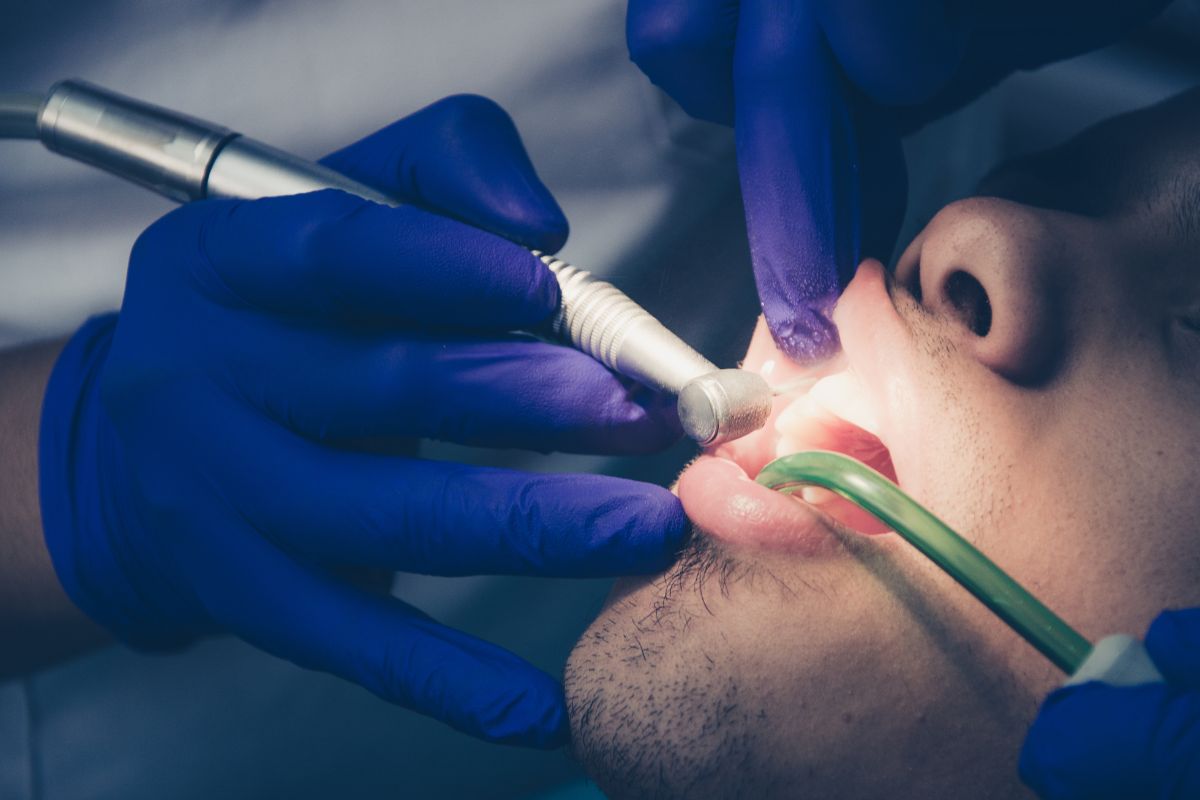
Curodont™ is a simple, comfortable procedure. Here’s what you can expect:
- Dental Evaluation
Dr. Rosenfeld will examine your teeth to identify early signs of decay, which may include visual inspection, digital X-rays, or other diagnostic tools. - Tooth Preparation
The affected area is gently cleaned to ensure optimal absorption of the treatment. - Application
The Curodont™ solution is applied directly to the area of early decay. - Activation
A specialized light may be used to support the remineralization process. - Follow-Up Care
Routine visits help monitor progress and maintain enamel strength.
The entire process is non-invasive, painless, and typically takes only a few minutes per tooth.
Curodont™ vs Traditional Fillings
Understanding the difference can help families make informed decisions:
| Feature | Curodont™ | Traditional Fillings |
| Invasiveness | Non-invasive | Requires drilling |
| Comfort | Painless | May require anesthesia |
| Treatment Time | Minutes | 30–60 minutes per tooth |
| Enamel Preservation | Preserves natural enamel | Removes decayed enamel |
| Preventive Benefit | Strengthens enamel | Restores structure only |
| Patient Experience | Comfortable | May cause anxiety |
For families seeking a more conservative and preventive approach, Curodont™ offers a modern alternative to traditional fillings.
Maintaining Healthy Teeth Between Visits
While Curodont™ helps repair early decay, daily habits remain essential for long-term oral health:
- Brush twice daily with fluoride toothpaste
- Floss once per day
- Limit sugary foods and beverages
- Drink plenty of water
- Attend regular dental checkups
Combining good oral hygiene with preventive treatments helps protect your family’s smiles over time.
A Preventive Approach to Family Dental Care
At Oceanside Family Dental, Dr. Melissa Rosenfeld and her team are committed to providing advanced preventive solutions in a comfortable, family-friendly environment. By offering Curodont™, we focus on early intervention—helping stop tooth decay before it progresses and reducing the need for invasive treatment.
Our practice combines modern technology with compassionate care to support patients of all ages, from children to adults, seeking preventive solutions.
Ready to Protect Your Family’s Smiles?
Tooth decay does not have to lead to uncomfortable procedures or complex treatments. With Curodont™, families can address early decay effectively and preserve natural tooth structure.
Schedule your visit at Oceanside Family Dental, located at 3377 Long Beach Rd #1, Oceanside, NY 11572, and learn how this advanced treatment can support your long-term oral health.
FAQs
1. What is Curodont™ used for?
Curodont™ is used to treat early-stage tooth decay by repairing enamel and helping prevent cavities from forming.
2. Is Curodont™ safe for children?
Yes. It is a gentle, non-invasive treatment that is safe and effective for children.
3. How long does treatment take?
The procedure typically takes only a few minutes per tooth and does not require anesthesia.
4. Can adults benefit from Curodont™?
Yes. Adults with early enamel demineralization can strengthen their teeth and reduce the risk of future decay.
5. How often should Curodont™ be applied?
In many cases, a single application is sufficient. Your dentist may recommend follow-up care based on your individual needs.