The Importance of Maintaining Good Oral Health for Overall Well-Being
Blog
The Importance of Maintaining Good Oral Health for Overall Well-Being
Good oral health goes beyond a bright smile—it is a critical component of overall well-being. Neglecting your teeth and gums can lead to dental problems, systemic health issues, and a diminished quality of life. From cavities and gum disease to more serious conditions, maintaining oral hygiene is essential not only for your mouth but for your entire body.
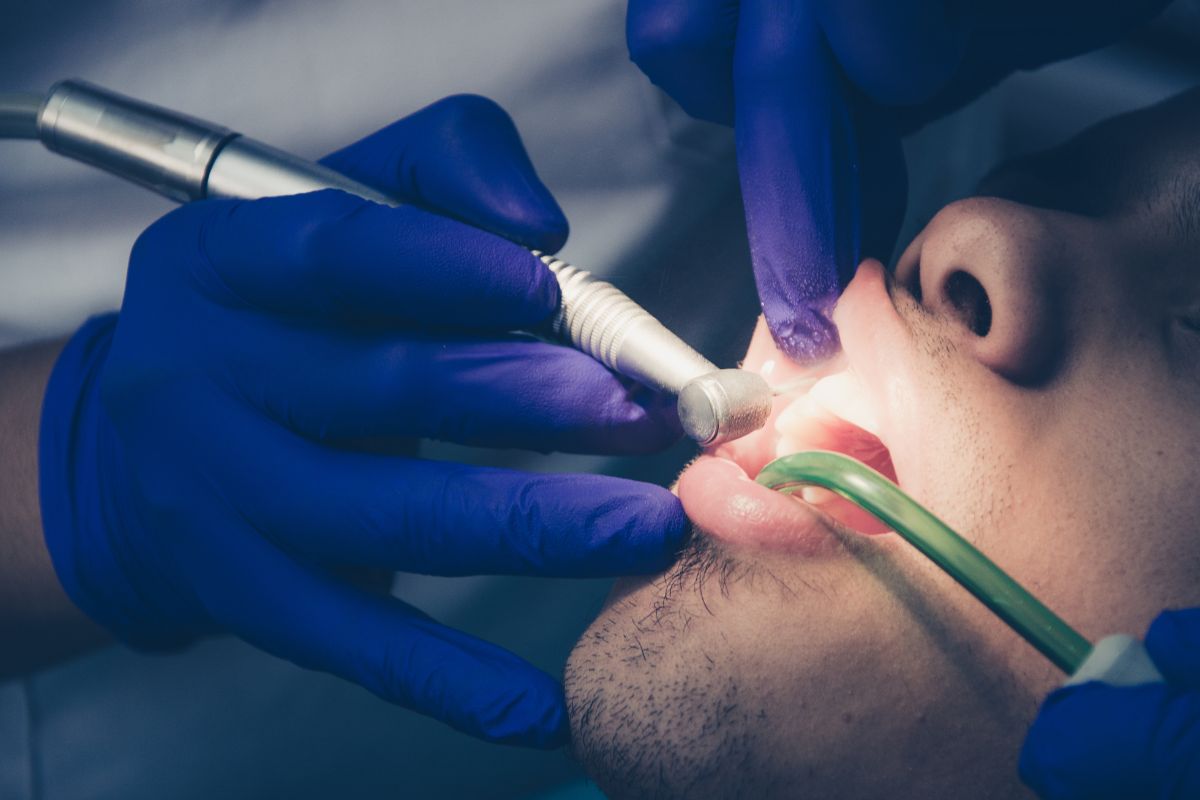
Routine dental care, such as checkups, cleanings, and preventive treatments, plays a crucial role in protecting your health. Periodontal treatment in Oceanside is a prime example of how addressing gum disease early can prevent more serious complications, including infections that affect the heart, diabetes management, and even pregnancy outcomes. Understanding the connection between oral health and overall wellness can empower you to take proactive steps toward a healthier life.
1. Oral Health and Systemic Health Are Connected
Scientific studies have shown a clear link between oral health and chronic diseases. Poor oral hygiene can allow harmful bacteria to enter the bloodstream, potentially affecting major organs. For example:
- Cardiovascular Disease: Gum inflammation is associated with increased risk of heart disease.
- Diabetes: Periodontal disease can make blood sugar management more difficult.
- Respiratory Infections: Bacteria from the mouth may travel to the lungs, increasing the risk of pneumonia.
Maintaining oral health is not just about preventing cavities—it is a preventive measure that can positively impact your overall health.
2. Preventing Gum Disease and Its Complications
Gum disease, or periodontal disease, is one of the most common oral health issues affecting adults. Left untreated, it can lead to tooth loss and contribute to systemic inflammation. Signs of gum disease include bleeding gums, persistent bad breath, and swollen, tender gums. Early interventions like scaling, root planing, and other preventive treatments help manage and even reverse gum disease before it becomes severe. Regular dental visits ensure that minor problems are addressed promptly, minimizing potential complications for your oral and overall health.
3. Maintaining Healthy Teeth and Gums
Brushing twice daily, flossing, and using mouthwash are fundamental habits for healthy teeth and gums. But oral health is also about lifestyle choices: limiting sugary foods and drinks, avoiding tobacco products, and staying hydrated all contribute to a healthier mouth. Additionally, protecting your teeth from injury with mouthguards during sports and addressing dental problems promptly can prevent future complications. Strong, healthy teeth make eating easier, improve speech, and support better digestion, which in turn benefits overall health.
4. Oral Health’s Role in Mental and Social Well-Being
A healthy mouth can significantly improve self-esteem and social interactions. Dental issues like missing teeth, bad breath, or gum problems can impact confidence, leading to anxiety or social withdrawal. Conversely, maintaining oral health boosts confidence, encourages positive social interactions, and contributes to a better mental outlook. The psychological benefits of a clean, healthy smile are just as important as the physical benefits.
5. Early Detection of Other Health Conditions
Routine dental visits are not only about your teeth—they can also provide early detection of other health issues. Dentists can spot signs of vitamin deficiencies, oral cancers, diabetes, and autoimmune disorders during a thorough oral exam. This makes regular dental care a key component of preventive healthcare, allowing early interventions that can improve long-term outcomes.
6. Tips for Maintaining Optimal Oral Health
- Brush at least twice daily with fluoride toothpaste.
- Floss daily to remove plaque between teeth.
- Rinse with an antibacterial mouthwash.
- Limit sugary and acidic foods and drinks.
- Visit your dentist regularly for checkups and cleanings.
- Avoid tobacco products.
- Stay hydrated to promote saliva production, which protects teeth and gums.
By incorporating these habits into your daily routine, you can significantly reduce the risk of dental problems and support your overall well-being.
Take Control of Your Health Today
Maintaining good oral health is essential for both your mouth and your body. Routine dental care, proper hygiene, and lifestyle choices all contribute to preventing diseases, improving confidence, and enhancing overall quality of life. Don’t wait until small issues turn into major problems—schedule an appointment today at 3377 Long Beach Rd # 1, Oceanside, NY 11572 for a comprehensive evaluation and expert care.
FAQs
1. How often should I visit the dentist for optimal oral health?
Most dental professionals recommend a checkup and cleaning every six months. However, patients with gum disease or other oral health concerns may need more frequent visits.
2. Can poor oral health really affect other parts of my body?
Yes. Untreated oral infections and inflammation can contribute to heart disease, diabetes complications, respiratory issues, and other systemic conditions.
3. What is the best way to prevent gum disease?
Good oral hygiene—including brushing twice daily, flossing, using mouthwash, and regular dental visits—is the most effective way to prevent gum disease.