How Long Does the Dental Implant Process Take? A Step-by-Step Timeline
Blog
How Long Does the Dental Implant Process Take? A Step-by-Step Timeline
By OCEANSIDE FAMILY DENTAL, October 20, 2026
Most dental implants take three to nine months from surgery to final crown. Learn each step, what affects your timeline, and how to start dental implants in Oceanside with a clear, personalized plan.
Replacing a missing tooth is a big decision, and one of the first questions patients ask is how long the whole process will take. If you are researching dental implants in Oceanside, the honest answer is that most patients need about three to nine months from the first consultation to the final crown. Every mouth is different, and some cases take longer. Implants are not a single appointment. They are a series of carefully planned steps that give your jawbone time to heal around the implant, and that patience is what makes the result so strong and long-lasting.
Why Dental Implants Take Time
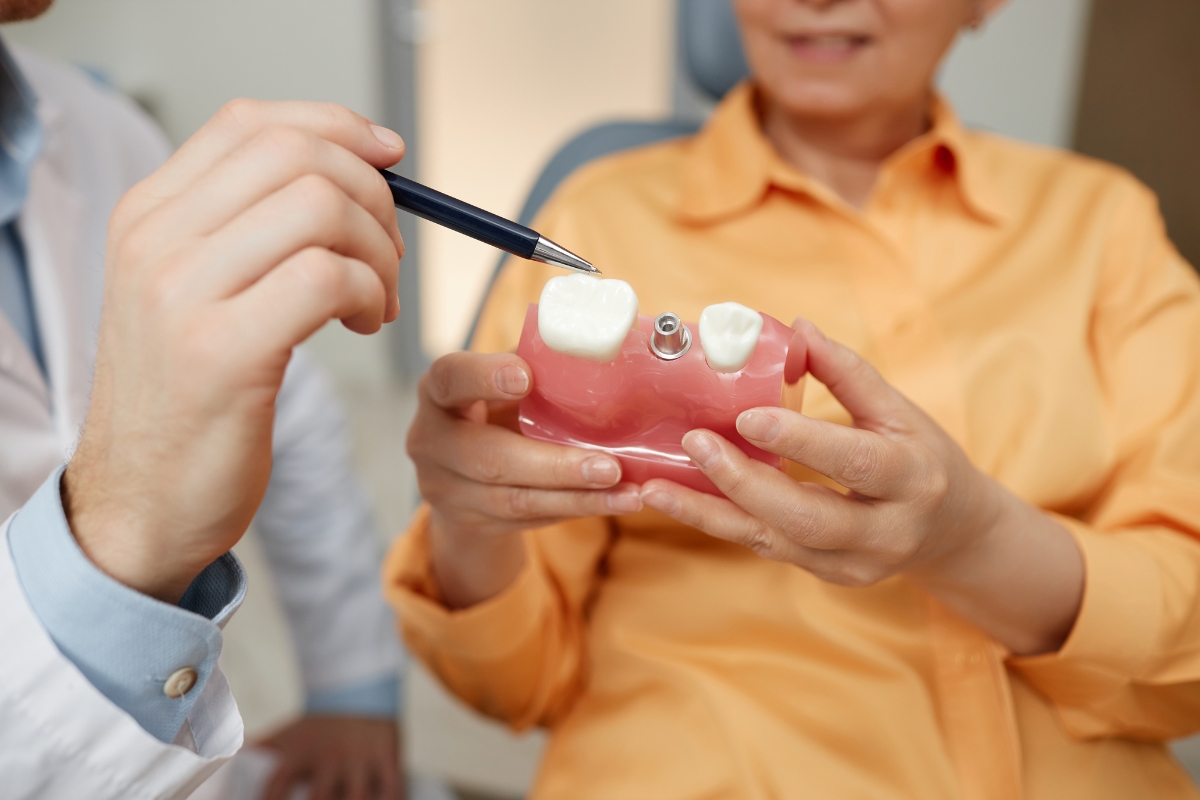
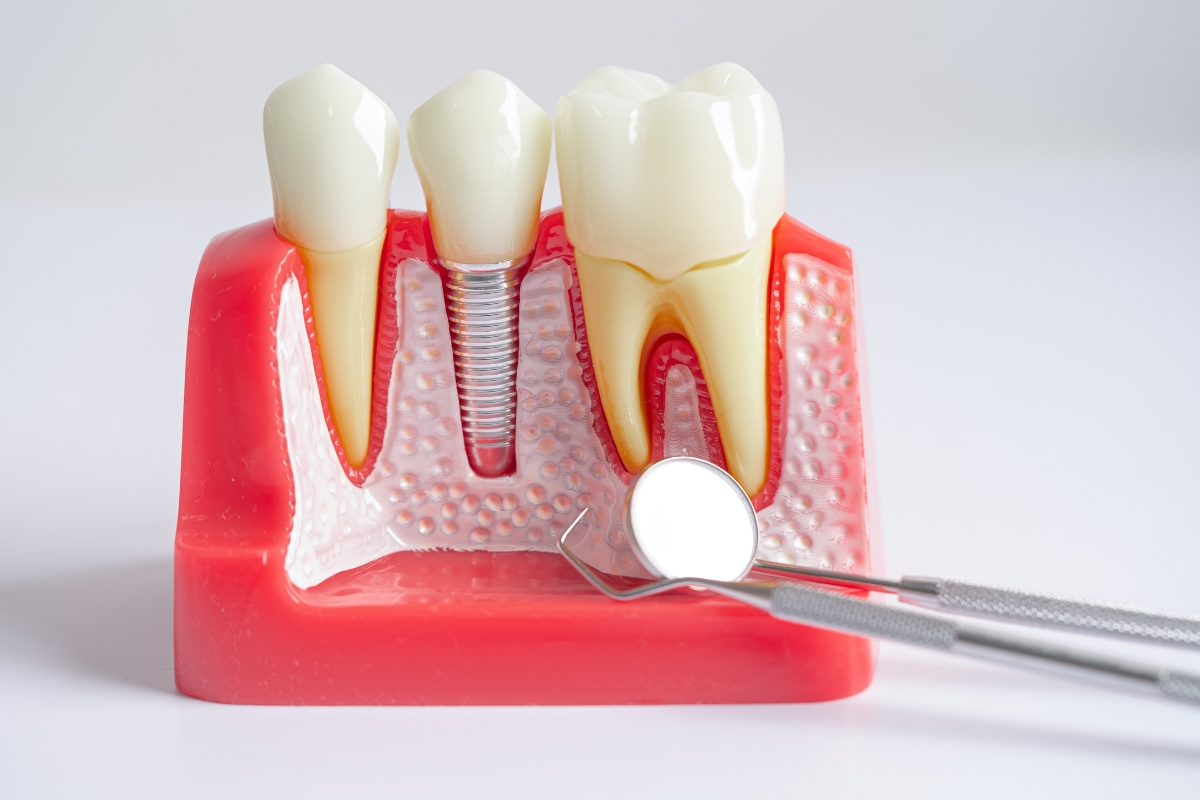
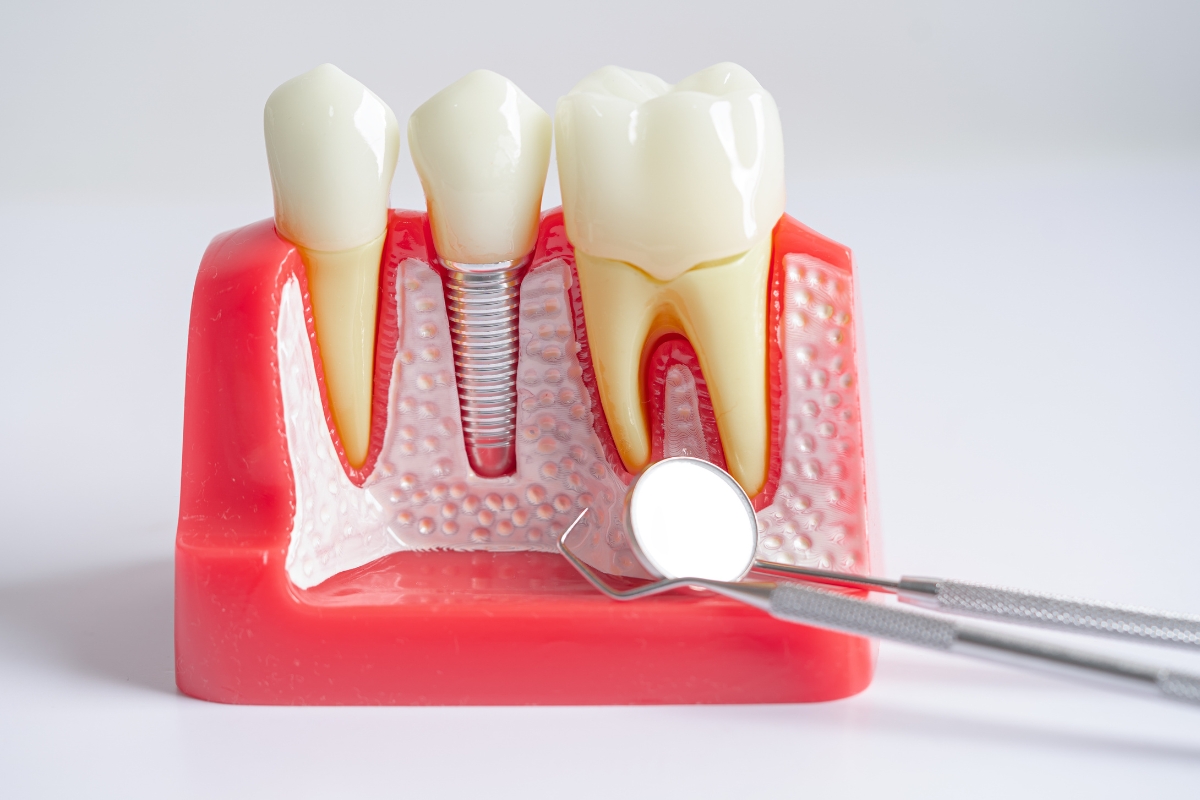
A dental implant is a small titanium post placed in the jawbone to act as an artificial tooth root. Over the following months, the bone grows tightly around the post in a process called osseointegration. This is what makes an implant feel stable when you bite and chew. Rushing this stage can lead to implant failure, so your dentist will build a timeline around how quickly your bone and gums heal.
Step One: Consultation and Planning
The journey begins with a thorough exam, a review of your medical history, and a conversation about your goals. At this stage, your dentist checks your gum health and bone levels, often with digital X-rays and a 3D CBCT scan that shows the exact position of nerves, sinuses, and bone. Digital impressions help plan the final tooth. This visit is also when you learn which option fits you best. Planning dental implants in Oceanside usually takes one to two visits over a couple of weeks, and it is the most important step for predictable results.
Step Two: Tooth Removal and Bone Grafting When Needed
If the damaged tooth is still in place, it must be removed first. If the jawbone has thinned from gum disease or long-term tooth loss, a bone graft may be needed to build a solid foundation. A graft typically needs three to six months to heal before the implant can be placed. Patients with healthy bone may skip this step, which can shorten the timeline considerably.
Step Three: Implant Surgery
On surgery day, the area is numbed with local anesthesia so you stay comfortable. The dentist places the titanium implant into the jawbone and closes the gum around it. A single implant often takes about an hour or less. Most people feel mild soreness, swelling, or tenderness for a few days, and many return to normal routines quickly. You will receive clear instructions about soft foods, rinsing, and rest.
Step Four: Healing and Osseointegration
This is the longest stage. The bone needs roughly three to six months to bond with the implant. The lower jaw often heals a bit faster because the bone is denser, while the upper jaw may take closer to six months. During this time, you can usually wear a temporary tooth or a temporary replacement so you never have to go without a smile.
Step Five: Abutment Placement and Impressions
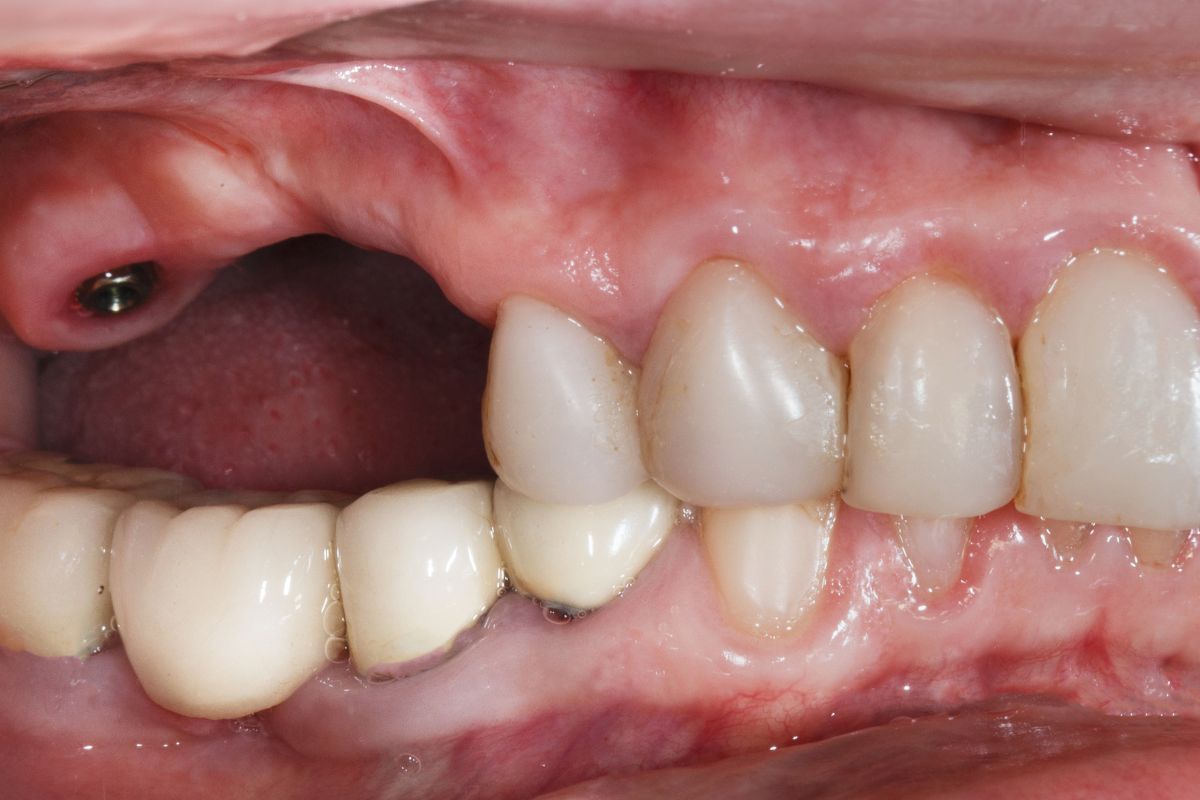
Once the implant is stable, a small connector called an abutment is attached. This piece holds the final crown. Your gums then need one to two weeks to heal around it. Next, your dentist takes a precise digital scan of your teeth so the custom crown matches your bite, shape, and shade.
Step Six: The Final Restoration
The final crown, bridge, or denture is made in a dental laboratory, which often takes two to four weeks. At the delivery visit, your dentist checks the fit, color, and bite, and makes small adjustments so everything feels natural. Then you are ready to eat, speak, and smile with confidence again.
Sample Timelines
For a straightforward single implant with healthy bone, expect about three to six months overall. If an extraction and bone graft are needed first, the full process may take six to twelve months. For implant-supported dentures, which use six to eight implants to hold a full arch of teeth, the schedule depends on how many implants are placed and how quickly you heal. Your dentist will go over your personal schedule at the first visit so you can plan work, travel, and family events with confidence.
Caring for Your Implant After Treatment
Once your final restoration is in place, daily care is simple. Brush twice a day, clean between your teeth every day, and keep up with professional cleanings so the gums around the implant stay healthy. Implants cannot get cavities, but the gum tissue around them can still become infected, so regular checkups remain important. Avoid chewing very hard objects, and ask about a night guard if you grind your teeth. With steady care, your new tooth should serve you well for many years.
What Can Change Your Timeline
Several factors can speed up or slow down treatment. Bone quality and quantity matter the most. Active gum disease must be treated before surgery. Smoking slows healing and raises the risk of failure. Conditions such as uncontrolled diabetes can also affect recovery. The number of teeth being replaced and their location in the mouth change the plan as well. A personalized exam is the only way to get an accurate estimate.
Why Replacing Missing Teeth Matters
Waiting can cost more in the long run. When a tooth is lost and not replaced, the jawbone can begin to shrink, and nearby teeth may drift out of place. That can lead to alignment problems, damage to other teeth, and loss of facial support. Because implants imitate the roots of natural teeth, they help preserve bone and keep your face looking youthful. They also let you enjoy your favorite foods again, which supports better nutrition and digestion.
Start Your Smile Rebuild Today
Every implant journey begins with a single conversation. At Oceanside Family Dental, our team will review your X-rays, explain each step, and give you a clear timeline so you know what to expect. If you are ready to explore dental implants in Oceanside, call (516) 766-0732 or book online to schedule a consultation at 3377 Long Beach Road, Oceanside, New York 11572. New patients are always welcome.
Frequently Asked Questions
Is dental implant surgery painful?
Most patients are surprised by how comfortable it is. Local anesthesia numbs the area, and any soreness afterward is usually manageable with the pain relief your dentist recommends.
Can I get new teeth on the same day?
In some cases, a temporary tooth can be placed soon after surgery, but the final restoration is usually added after healing. Your dentist will explain what is realistic for your situation.
How long do dental implants last?
With good home care and regular checkups, implants can last for many years, and often a lifetime. The crown on top may need replacement after wear.
Can I get implants if I have had gum disease or bone loss?
Often, yes. Gum disease is treated first, and bone grafting can rebuild the foundation when needed.
Are there payment options?
Yes. Our office offers financing through Cherry, and our team can help you understand your options before you begin.