How to Maintain Your Dental Implants for a Lifetime
Blog
How to Maintain Your Dental Implants for a Lifetime
Dental implants are a life-changing solution for those who have lost one or more teeth. Known for their durability, functionality, and natural appearance, implants can last a lifetime—with the right care. Unlike natural teeth, implants don’t decay, but they still require daily maintenance to prevent gum disease and ensure long-term success.
In this blog, we’ll explain how dental implants work, why proper care is essential, and share practical tips to help you maintain your dental implants for life.
Understanding Dental Implants
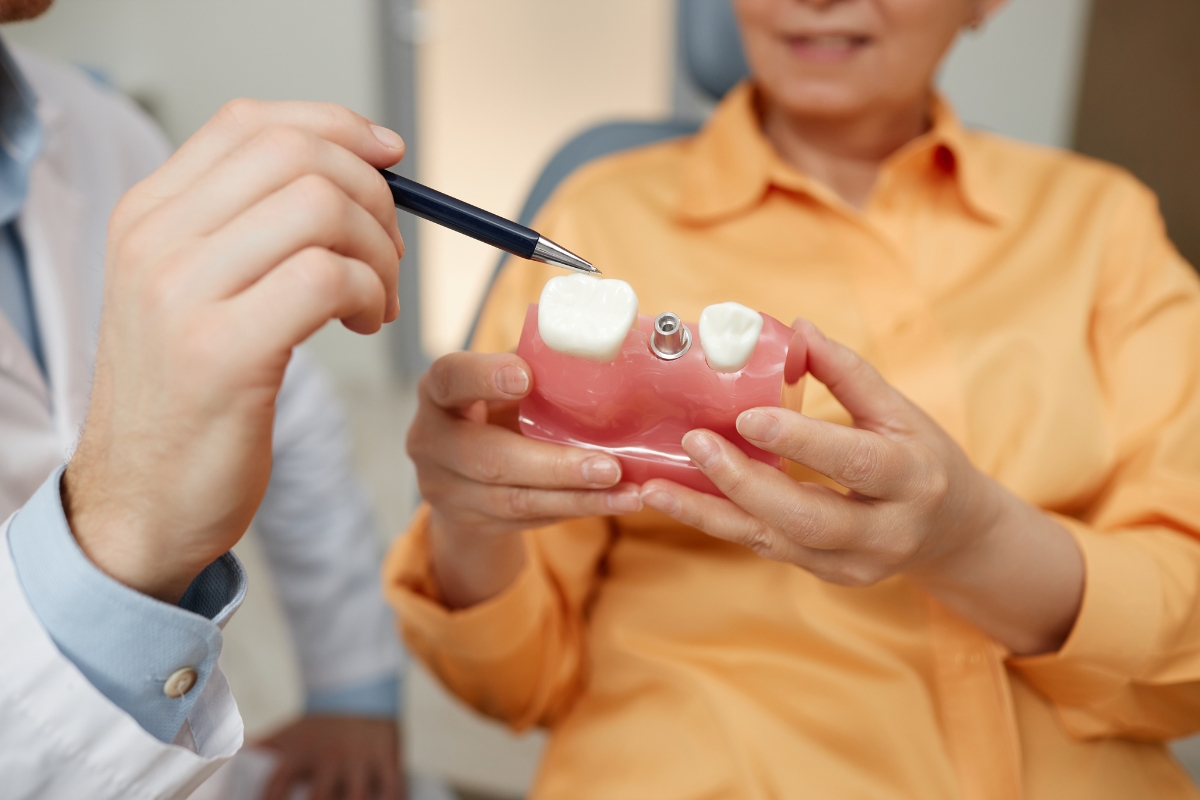
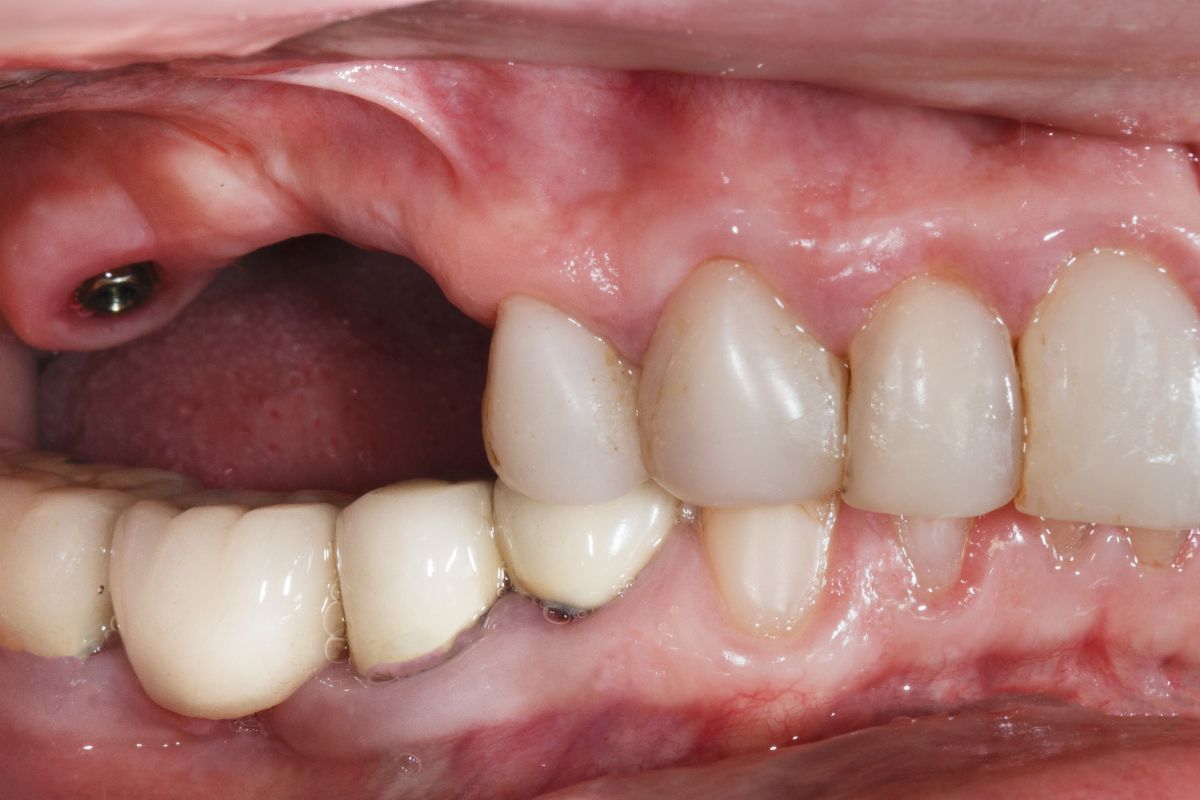
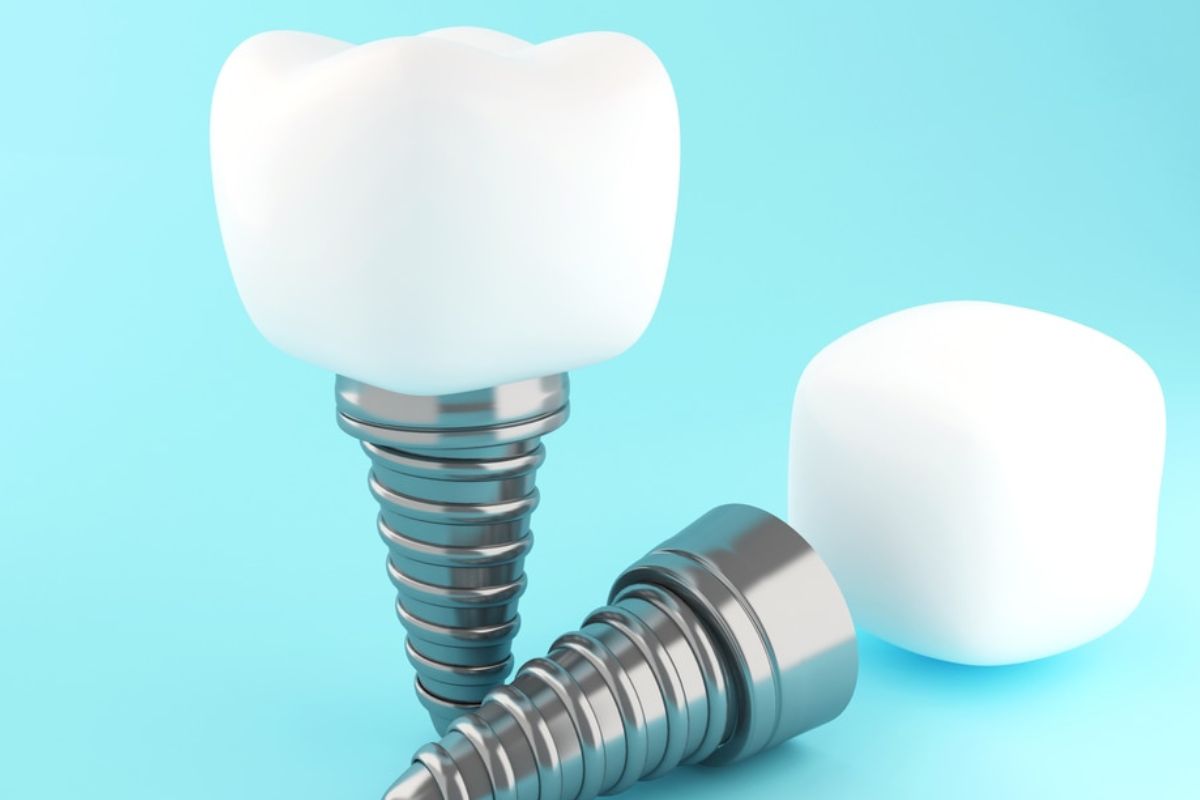
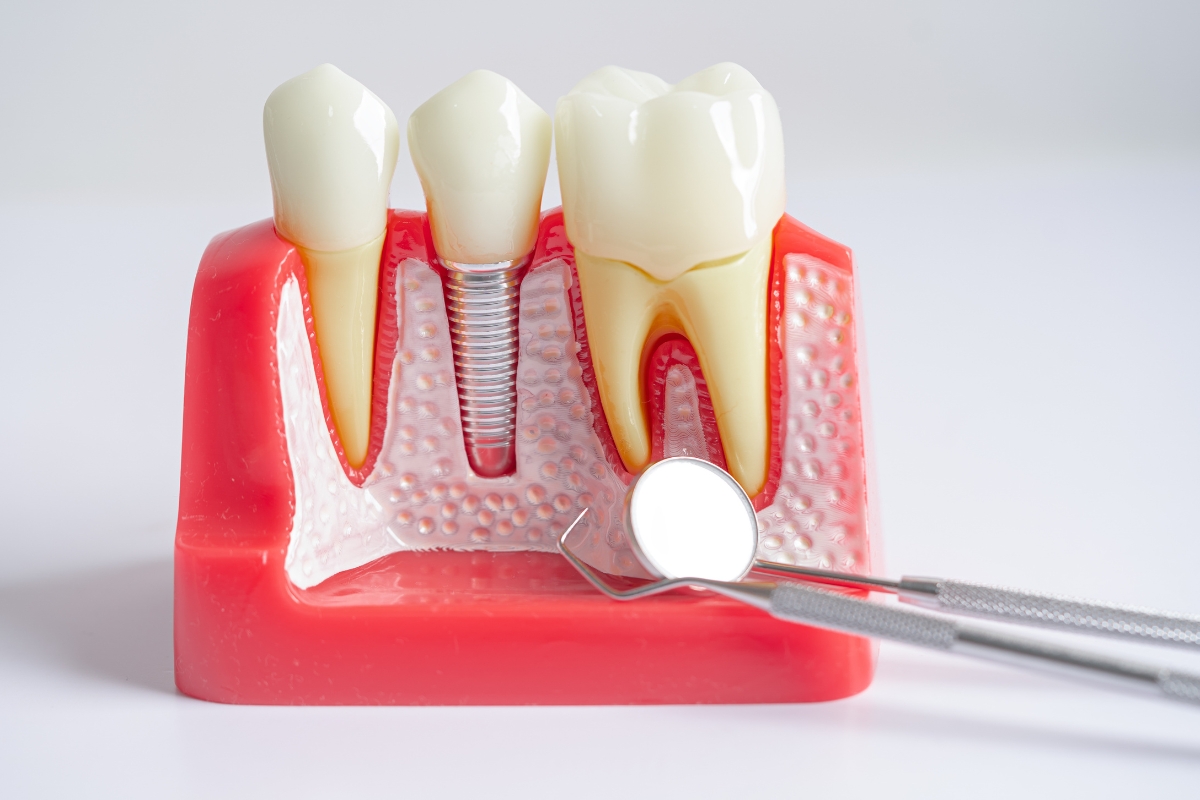
Dental implants are artificial tooth roots made from biocompatible materials like titanium. They are surgically inserted into the jawbone and topped with a crown, bridge, or denture to restore both appearance and function.
A properly placed and cared-for implant can last 20 years or more, and many patients retain their implants for life. However, poor oral hygiene, smoking, and lack of professional care can lead to complications like peri-implantitis (inflammation around the implant), which can cause implant failure.
Why Maintenance Matters
Even though implants are not prone to cavities, they are still vulnerable to gum disease, bone loss, and mechanical wear. Daily maintenance helps:
- Prevent plaque buildup around the implant
- Protect the surrounding gum tissue and bone
- Avoid implant loosening or failure
- Preserve your overall oral health
Simply put: a dental implant is an investment—protect it like you would any valuable asset.
Daily Implant Care Tips
1. Brush Twice a Day (Gently and Thoroughly)
Use a soft-bristled toothbrush (manual or electric) to clean around the implant and crown. Spend at least two minutes brushing, and focus on the gumline and hard-to-reach areas.
Tip: Use low-abrasive toothpaste to avoid scratching the implant crown.
2. Floss Daily with Implant-Safe Floss
Flossing helps remove plaque and food particles between teeth and implants. Consider using:
- Implant-specific floss (like Super Floss)
- Water flossers (e.g., Waterpik) for a gentle and effective clean
- Interdental brushes with soft nylon bristles
Tip: Be gentle to avoid injuring the soft tissue around the implant.
3. Use Antibacterial Mouthwash
An alcohol-free antimicrobial rinse can help reduce bacteria and inflammation. Ask your dentist to recommend a mouthwash that’s safe for implants.
Bonus: It also helps keep your breath fresh.
4. Avoid Smoking and Tobacco Use
Smoking is a major risk factor for implant failure. It reduces blood flow to the gums and slows healing, increasing the risk of infection and bone loss.
Tip: If you smoke, talk to your doctor or dentist about cessation programs to protect your oral health.
5. Eat a Balanced, Implant-Friendly Diet
A healthy diet supports gum health and bone density. Focus on:
- Calcium-rich foods (dairy, leafy greens)
- Vitamin D (fatty fish, eggs, sunlight)
- Crunchy fruits and vegetables to stimulate the gums
Avoid hard candies, ice, or very sticky foods that could damage the implant crown or stress the implant post.
6. Protect Your Implant from Physical Damage
If you grind your teeth at night (bruxism), your dentist may recommend a custom nightguard to prevent excessive force on the implant.
Tip: Always wear a mouthguard when playing contact sports.
Regular Dental Checkups Are Essential
Visiting your dentist regularly is one of the most important steps in maintaining your dental implants. During checkups, your dentist will:
- Check the health of your gums and bone
- Assess the implant’s stability
- Clean areas you might miss at home
- Address any early signs of complications
How often should you visit?
Most patients benefit from visits every 6 months, though your dentist may recommend more frequent cleanings if you’re at higher risk of gum disease.
Signs of Implant Trouble to Watch For
Early detection of implant problems is key to preventing failure. Contact your dentist if you experience:
- Red, swollen, or bleeding gums around the implant
- Persistent bad breath or a bad taste in your mouth
- Pain or sensitivity at the implant site
- Loosening of the implant crown
- Pus or discharge near the implant
These could be signs of peri-implantitis, an inflammatory condition similar to gum disease that can lead to bone loss.
Special Care for Full-Arch Implants (All-on-4, etc.)
If you have full-mouth dental implants like All-on-4, your care routine is slightly different but equally important:
- Use a water flosser or interdental brushes under the prosthesis
- Clean around implant posts daily
- Schedule routine professional cleanings and prosthetic checkups
Ask your implant dentist to demonstrate the best hygiene techniques tailored to your restoration.
Long-Term Tips for Implant Success
Stick to a Consistent Oral Hygiene Routine
Daily brushing and flossing form the foundation of implant health.
Communicate With Your Dentist
Always inform your dentist of changes in your medical history, medications, or oral symptoms.
Be Gentle
Overaggressive brushing or the wrong tools can irritate the tissue and damage prosthetics.
Practice Overall Health Habits
Good overall health supports oral health. Control diabetes, manage stress, and avoid habits that harm your mouth.
Your Implants Can Last a Lifetime—If You Care for Them
Dental implants are designed to be long-term, even lifelong, solutions for tooth loss—but they require care and commitment. Think of them as high-performance tools: they work best when maintained properly.
By practicing daily oral hygiene, avoiding harmful habits, and seeing your dentist regularly, you’ll give your dental implants the best possible chance to stay healthy and functional for decades to come.
A confident, lasting smile is worth the effort. Start today, and enjoy the benefits for years ahead.
Protect Your Investment with Expert Dental Implant Care
Dental implants are one of the most reliable ways to restore your smile, but their long-term success depends on consistent care and regular professional checkups. By practicing good oral hygiene, making healthy lifestyle choices, and visiting your dentist routinely, you can help keep your implants strong and your smile healthy for years to come.
If you’re looking for trusted dental implant care, the experienced team at Oceanside Family Dental in Oceanside is here to help. Whether you need a routine implant checkup, a professional cleaning, or have questions about maintaining your new smile, we’re committed to providing personalized care in a comfortable environment.
Schedule your appointment with Oceanside Family Dental today and let us help you protect your dental implants—and your smile—for a lifetime.
Frequently Asked Questions
Can dental implants really last a lifetime?
Yes, they can. With consistent brushing, flossing, routine dental checkups, and healthy lifestyle habits, many dental implants remain strong and functional for decades. While the implant itself can often last a lifetime, the crown attached to it may eventually need replacement due to normal wear.
Do dental implants require special cleaning products?
Not always. Most patients can care for their implants using a soft-bristled toothbrush, low-abrasive toothpaste, and implant-friendly floss or a water flosser. Your dentist may recommend additional products based on your individual needs.
What happens if I don’t take care of my dental implants?
Poor oral hygiene can lead to plaque buildup, gum inflammation, and a condition called peri-implantitis. If left untreated, it can damage the bone supporting the implant and may even result in implant failure.
Can I eat normally with dental implants?
Yes. Once your implant has fully healed, you can enjoy most of your favorite foods. However, it’s still a good idea to avoid chewing ice, hard candy, or other very hard objects that could damage the restoration.
Is smoking harmful to dental implants?
Yes. Smoking reduces blood flow to the gums, slows healing, and significantly increases the risk of implant complications. Quitting or reducing tobacco use can greatly improve the long-term success of your implants.
How often should I visit the dentist after getting dental implants?
Most patients should schedule a professional dental exam and cleaning every six months. Your dentist may recommend more frequent visits if you have a history of gum disease or other risk factors.
Can dental implants get cavities?
No. Dental implants are made from materials that do not decay like natural teeth. However, the surrounding gums and bone still need proper care to stay healthy and support the implant.
What are the warning signs that something may be wrong with my implant?
Contact your dentist if you notice persistent pain, swelling, bleeding gums, bad breath, pus, or a loose implant crown. Early treatment can help prevent more serious complications.
Should I wear a nightguard if I grind my teeth?
If you clench or grind your teeth while sleeping, a custom nightguard can help protect both your natural teeth and your dental implants from excessive pressure.
Are dental implants worth the long-term investment?
For many patients, yes. Dental implants provide a stable, natural-looking solution for missing teeth and can restore your ability to eat, speak, and smile with confidence. With proper maintenance, they often offer excellent long-term value.