Dental Implants for the Upper Jaw: Unique Challenges and Effective Solutions
Blog
Dental Implants for the Upper Jaw: Unique Challenges and Effective Solutions
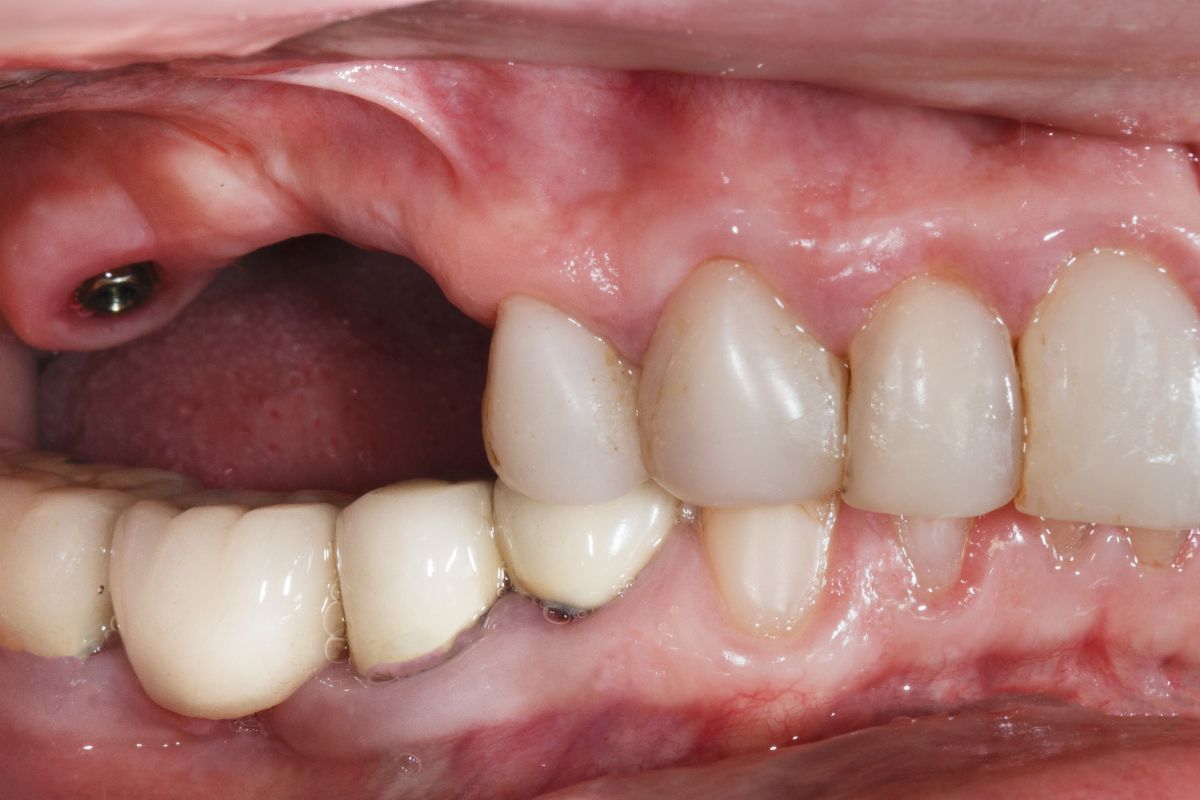
Dental implants are widely considered the gold standard for replacing missing teeth. They provide a stable foundation, preserve jawbone health, and offer a natural look and feel. However, placing dental implants in the upper jaw presents unique anatomical and clinical challenges that differ from implant placement in the lower jaw.
In this blog, we’ll explore the distinct difficulties associated with upper jaw implants and discuss the advanced techniques and solutions available to ensure successful outcomes. Whether you’re missing one tooth or considering full upper arch replacement, understanding the process can help you make informed decisions about your oral health.
Why the Upper Jaw Is More Complex
While dental implants can be placed in both the upper (maxilla) and lower (mandible) jaws, the upper jaw poses more complexities due to its anatomical structure and bone composition.
1. Softer Bone Density
The maxilla consists of softer, more porous bone compared to the mandible. This means the implant may not achieve immediate stability as easily, increasing the risk of failure if not handled with precise planning.
2. Proximity to the Sinuses
The upper jaw is located directly beneath the maxillary sinuses, hollow cavities above the back teeth. This limits the available vertical bone height, especially in the posterior upper jaw, and may require sinus lift surgery before placing implants.
3. Bone Loss in the Upper Arch
Following tooth loss, bone resorption occurs more rapidly in the upper jaw, particularly when multiple or all teeth are missing. This can further reduce the volume of bone available for implant support.
4. Esthetic Considerations
The upper jaw is more visible when you smile, speak, or laugh. This makes implant positioning, angulation, and soft tissue management critical for achieving a natural-looking result.
Common Indications for Upper Jaw Dental Implants
Patients who require implants in the upper jaw typically fall into the following categories:
- Single or multiple missing teeth in the upper arch
- Complete upper arch tooth loss (requiring All-on-4 or overdentures)
- Replacement of failing crowns or bridges
- Bone loss due to periodontal disease, trauma, or prolonged tooth absence
Whether it’s a single implant or a full-mouth restoration, a thorough evaluation is crucial before proceeding.
Diagnostic Tools and Planning
Successful implant placement in the upper jaw depends heavily on detailed diagnostics and treatment planning.
Cone Beam CT Scans
CBCT imaging provides a 3D view of the upper jaw, allowing your dentist or oral surgeon to assess bone volume, sinus proximity, and other anatomical structures accurately.
Digital Impressions and Surgical Guides
Digital impressions enable the creation of customized surgical guides to improve precision during implant placement. This is especially important in areas with minimal bone density.
Challenges in Upper Jaw Implants and Their Solutions
Let’s look deeper into the main challenges and how dental professionals overcome them:
1. Insufficient Bone Volume
Challenge:
After tooth loss, the jawbone naturally begins to resorb. In the upper jaw, this process is accelerated, and often patients don’t have enough bone to securely anchor an implant.
Solution:
Bone grafting is commonly performed to rebuild the lost bone. This involves placing synthetic, donor, or autogenous bone material to increase height and width.
In many cases, grafting may occur before or during implant placement, depending on the extent of bone loss.
2. Sinus Proximity and Sinus Pneumatization
Challenge:
When upper molars are missing, the maxillary sinus may expand (a process known as sinus pneumatization), reducing the available space for implants.
Solution:
A sinus lift or sinus augmentation is a minor surgical procedure that elevates the sinus membrane and inserts bone graft material beneath it, creating adequate space and support for dental implants.
There are two main types:
- Lateral window sinus lift (for severe bone loss)
- Crestal (indirect) sinus lift (for moderate bone loss)
3. Poor Primary Stability
Challenge:
The upper jaw’s softer bone density can lead to lower primary stability, which is essential for the initial integration of the implant.
Solution:
Dentists may use longer or wider implants, tapered designs, or surface-treated implants to improve stability. Additionally, staged loading protocols (delayed crown placement) may be used to allow the implant more time to osseointegrate.
4. Aesthetic Zone Implant Placement
Challenge:
The front part of the upper jaw (the esthetic zone) must match the appearance of natural teeth and gums closely, or the result may look unnatural.
Solution:
Specialized planning using CAD/CAM technology, zirconia abutments, and custom-milled crowns ensures that implants blend seamlessly. Soft tissue grafts may also be used to enhance gum contours for a lifelike result.
5. Full-Arch Restoration in the Upper Jaw
Challenge:
Patients who need a full upper arch restoration face the issue of multiple implants in an area with limited bone and close sinus proximity.
Solution:
All-on-4 or All-on-6 implant systems use strategic implant placement—often tilted at an angle—to avoid sinuses and maximize contact with available bone.
In some cases, zygomatic implants are used. These are longer implants that anchor into the cheekbone (zygomatic bone) and bypass the maxillary sinus entirely.
Recovery and Maintenance Tips
Proper care and maintenance are essential for long-term success, especially in the upper jaw.
- Follow all post-operative instructions after implant placement.
- Maintain excellent oral hygiene with regular brushing, flossing, and possibly a water flosser.
- Avoid smoking, as it severely impairs bone healing and implant integration.
- Schedule routine check-ups to monitor implant health and stability.
- Use a nightguard if you clench or grind your teeth during sleep.
With the right care, upper jaw implants can last 15 years or more, and many patients enjoy a lifetime of function and aesthetics.
Are You a Candidate for Upper Jaw Implants?
You may be a good candidate if you:
- Are missing one or more teeth in the upper arch
- Have sufficient bone, or are open to grafting procedures
- Are in good general and oral health
- Do not have uncontrolled systemic conditions like diabetes or osteoporosis
- Are committed to maintaining oral hygiene and follow-up care
Even if you’ve been told you’re not a candidate in the past, advancements in implant technology and surgical techniques may now make it possible.
Dental implants in the upper jaw may present more complexity than those in the lower jaw, but modern dentistry has developed effective, reliable solutions to overcome these challenges. From bone grafting and sinus lifts to full-arch All-on-4 solutions, patients today can achieve durable, natural-looking smiles—regardless of the anatomical difficulties.
If you’re considering dental implants for the upper jaw, it’s essential to choose a skilled provider with experience in advanced implant techniques. With expert planning and execution, you can enjoy restored confidence, improved function, and a healthier smile for years to come.
Your journey to a restored smile starts with the right guidance—request an appointment now to explore your options for upper jaw dental implants and get a personalized treatment plan tailored to your needs.