How Dental Implants Prevent Bone Loss and Preserve Your Facial Structure
Blog
How Dental Implants Prevent Bone Loss and Preserve Your Facial Structure
Losing a tooth is more than a cosmetic concern. It can set off a chain reaction inside your jaw that changes the shape of your face over time. If you are missing one or more teeth, understanding what happens beneath the surface can help you make a more informed decision about your long-term oral health. At Oceanside Family Dental, we help patients throughout Oceanside, NY protect their jawbone and their smile with modern dental implants.
Why Losing a Tooth Leads to Bone Loss
Your jawbone stays strong and dense because of the pressure it receives every time you bite and chew. The roots of your natural teeth transfer that pressure directly into the bone, which signals your body to keep producing new bone tissue in that area.
When a tooth is lost, that stimulation disappears. Without it, the body slowly resorbs the bone that used to support the tooth root. This process, known as bone resorption, often begins within the first few months after tooth loss and continues gradually for years if the area is left untreated.
Over time, this can lead to a noticeably sunken appearance in the cheeks and lips, a shorter-looking jawline, and even changes in the fit of dentures or partial bridges. Many patients do not realize this is happening until they notice their face looking older than expected or their bite feeling different.
How Dental Implants Preserve Jawbone Density
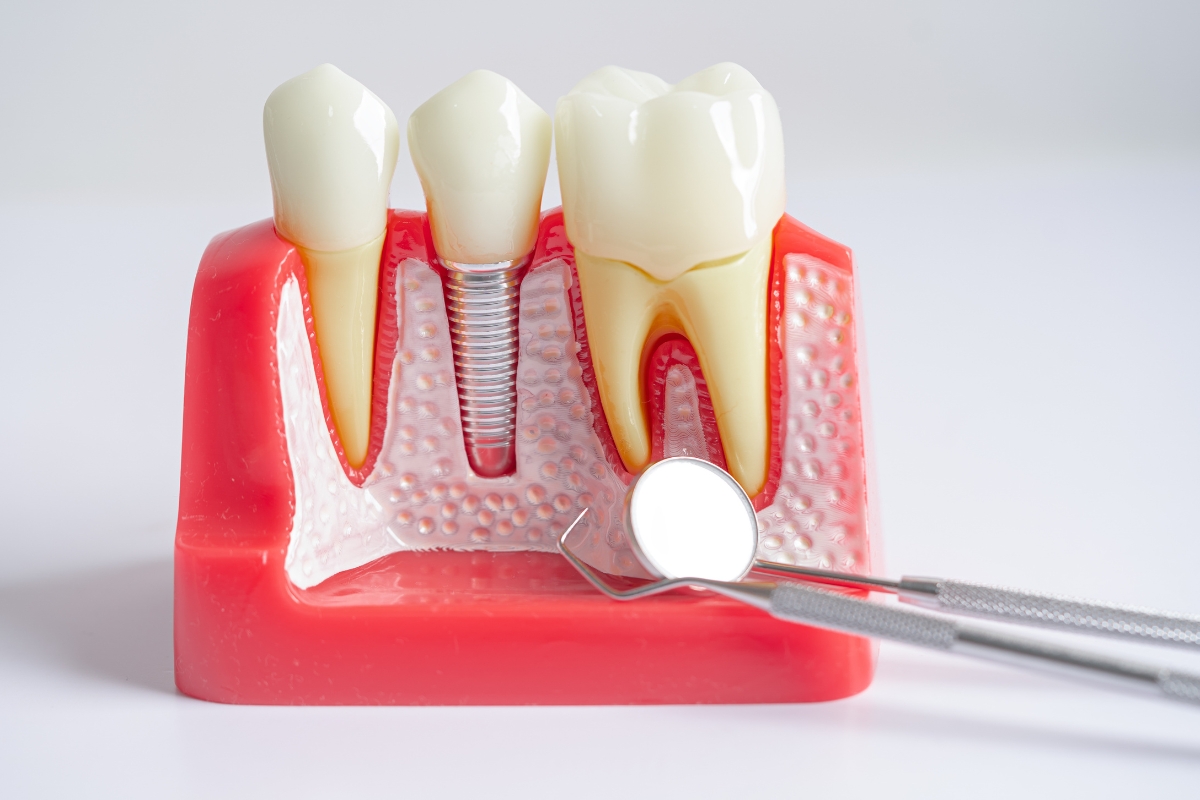
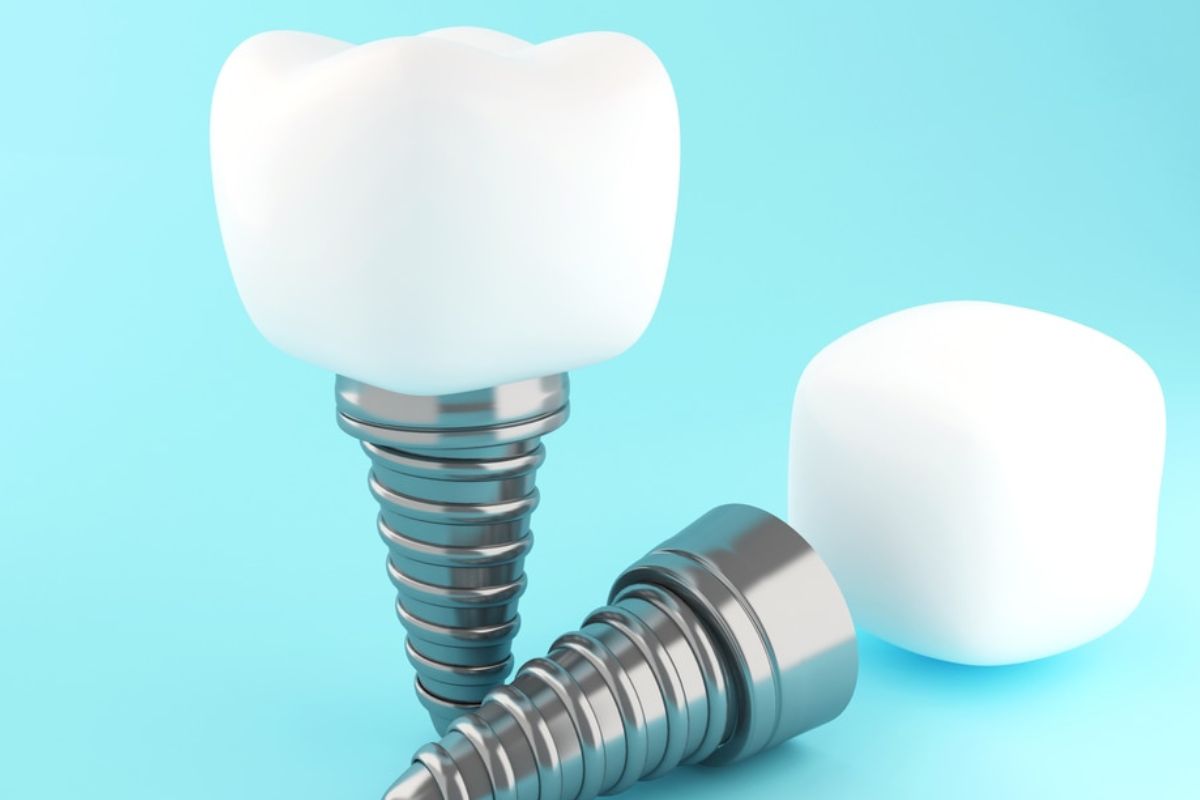
Dental implants are the only tooth replacement option designed to replicate the function of a natural tooth root. Each implant is a small titanium post that is surgically placed directly into the jawbone. Over the following months, the bone fuses to the implant surface through a process called osseointegration.
This fusion is what makes dental implants so effective at preventing bone loss. Because the implant transfers chewing pressure into the jaw just like a natural root, it keeps sending the signals your body needs to maintain healthy bone density in that area. Bridges and removable dentures rest on top of the gums and do not provide this same stimulation, which is why bone loss often continues even after those options are used.
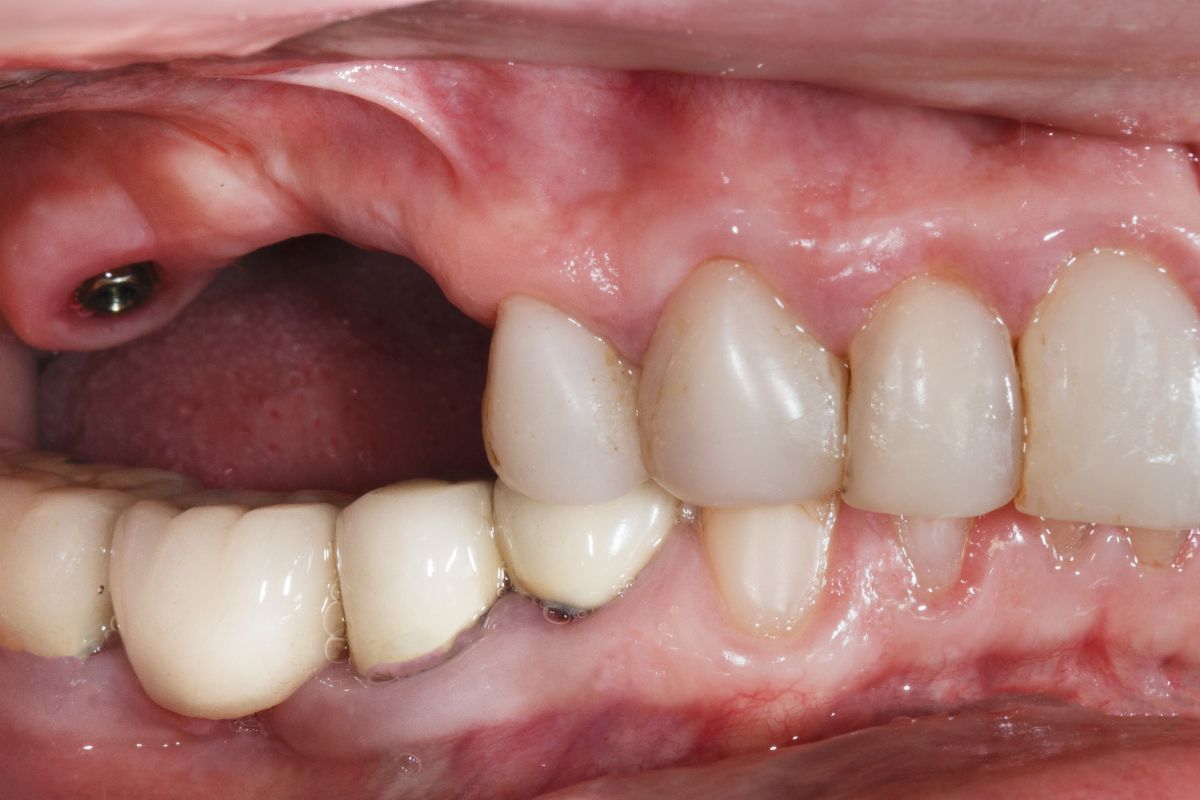
Whether you need a single tooth implant, an implant-supported bridge for several missing teeth, or implant-supported dentures to replace a full arch, the underlying benefit is the same. The implant protects the bone structure that supports your facial features.
The Connection Between Bone Health and Facial Structure
Your jawbone provides the framework for your entire lower face. When bone density decreases, the supporting structure for your cheeks, lips, and chin weakens along with it. This is a major reason why long-term tooth loss is often linked to a prematurely aged appearance, including thinner lips, deepened wrinkles around the mouth, and a jaw that appears to recede.
By preserving bone volume, dental implants help maintain the natural contours of your face. Patients who replace missing teeth with implants soon after tooth loss often see better long-term outcomes for both oral function and facial appearance compared to patients who wait or choose other replacement options.
Additional Benefits of Choosing Dental Implants
Beyond preserving your jawbone, dental implants offer several everyday advantages.
You can bite and chew a full range of foods with confidence, which supports better digestion and nutrition. Your speech stays clear since implants do not shift or slip the way some removable dentures can. Surrounding healthy teeth remain untouched, since implants do not require the surrounding teeth to be filed down the way a traditional bridge does. With proper care, implants are built to last for many years, making them a long-term investment in your oral health.
Who Is a Candidate for Dental Implants
Most healthy adults with sufficient jawbone density are candidates for dental implants. During your consultation at our Oceanside dental office, we evaluate your oral health, review your medical history, and use advanced imaging to assess the strength and volume of your jawbone.
We use a Prexion 3D CBCT scanner to capture a detailed three-dimensional view of your jaw before treatment begins. This level of imaging allows our team to plan implant placement with precision, which supports both the safety and the long-term success of the procedure.
If bone loss has already progressed, a bone graft may be recommended to rebuild adequate support before implant placement. Our team will walk you through every step of this process so you know exactly what to expect.
Why Patients Trust Oceanside Family Dental
Dr. Melissa Rosenfeld and the team at our dental practice have provided comprehensive dental care to families throughout Oceanside, NY. Our practice combines advanced technology, including digital X-rays, an iTero digital scanner, and laser dentistry, with a genuinely caring approach to every appointment.
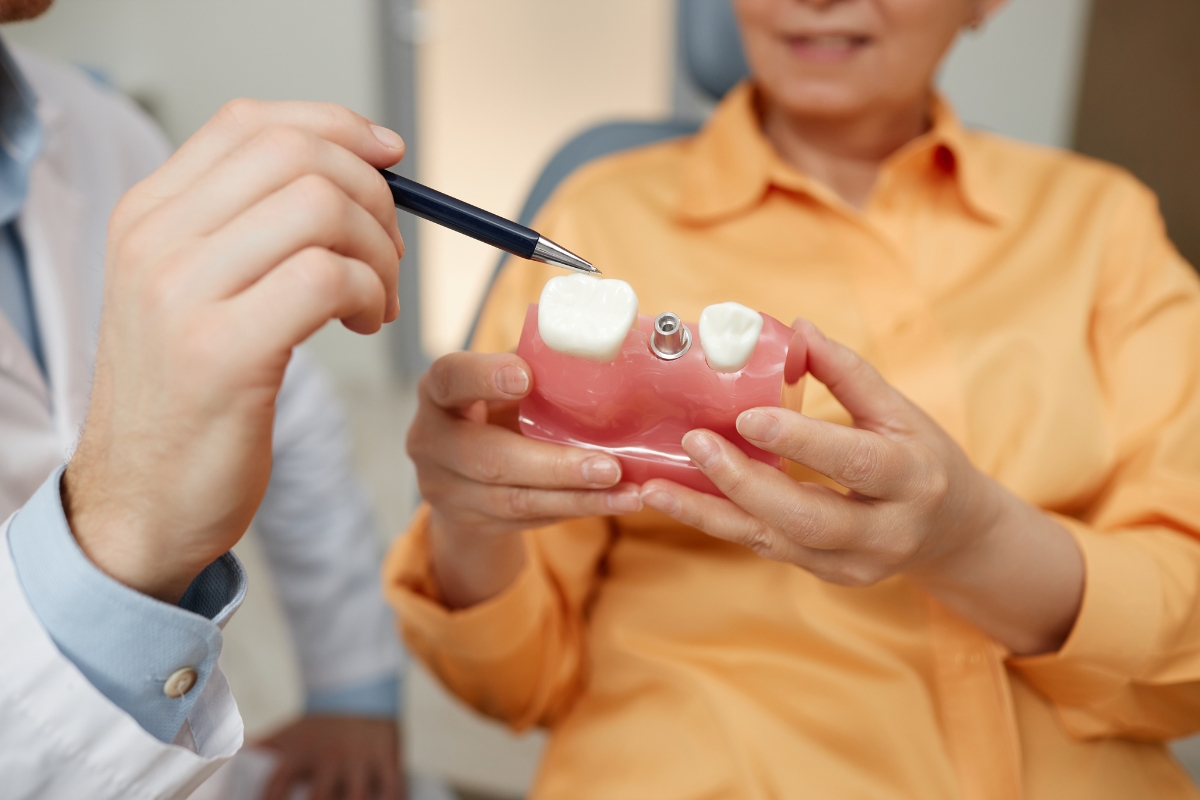
We understand that choosing dental implants is a significant decision. That is why we take the time to answer your questions, explain your options clearly, and build a treatment plan around your specific needs and goals. Our patients consistently tell us they appreciate feeling heard and respected throughout their care, not rushed through an appointment.
Schedule Your Dental Implant Consultation in Oceanside
If you are missing one or more teeth, do not wait for bone loss to change the shape of your face. The sooner you address tooth loss, the more bone structure you are likely to preserve.
Our team is ready to help you explore whether dental implants are the right solution for you. Call us today or visit our office at 3377 Long Beach Rd, Suite 1, Oceanside, NY 11572 to schedule your consultation. We proudly welcome new patients from Oceanside and the surrounding Long Island communities.
Frequently Asked Questions
How long does it take for bone loss to begin after losing a tooth?
Bone loss can begin within the first few months after a tooth is lost and typically continues over time if the space is not treated.
Are dental implants noticeable?
No. Dental implants are designed to look and function like natural teeth, and most people will not be able to tell the difference.
How long do dental implants last?
With proper oral hygiene and regular dental visits, dental implants can last for many years and, in many cases, for a lifetime.
Is dental implant surgery painful?
Most patients report mild discomfort that is manageable with standard aftercare instructions. Our team will discuss pain management options during your consultation.
Can dental implants be placed if I have already lost significant bone?
In many cases, yes. A bone graft can rebuild the jawbone in preparation for implant placement. We will evaluate your specific situation using advanced imaging before recommending a treatment plan.