Do You Have a Loose or Damaged Crown? Here’s What to Do Next
Blog
Do You Have a Loose or Damaged Crown? Here’s What to Do Next
Dental crowns are durable, long-lasting restorations that protect weakened or damaged teeth. But like any dental work, they aren’t invincible. Over time, crowns may become loose, fall off, or even get cracked due to wear, injury, or decay underneath. If you’re suddenly dealing with a loose or damaged crown, it can be uncomfortable, alarming, and sometimes even painful.
So what should you do if your crown starts to wiggle or breaks altogether? In this blog, we’ll walk you through the possible causes, the immediate steps you should take, and how your dentist can help restore your smile quickly and safely.
What Is a Dental Crown?
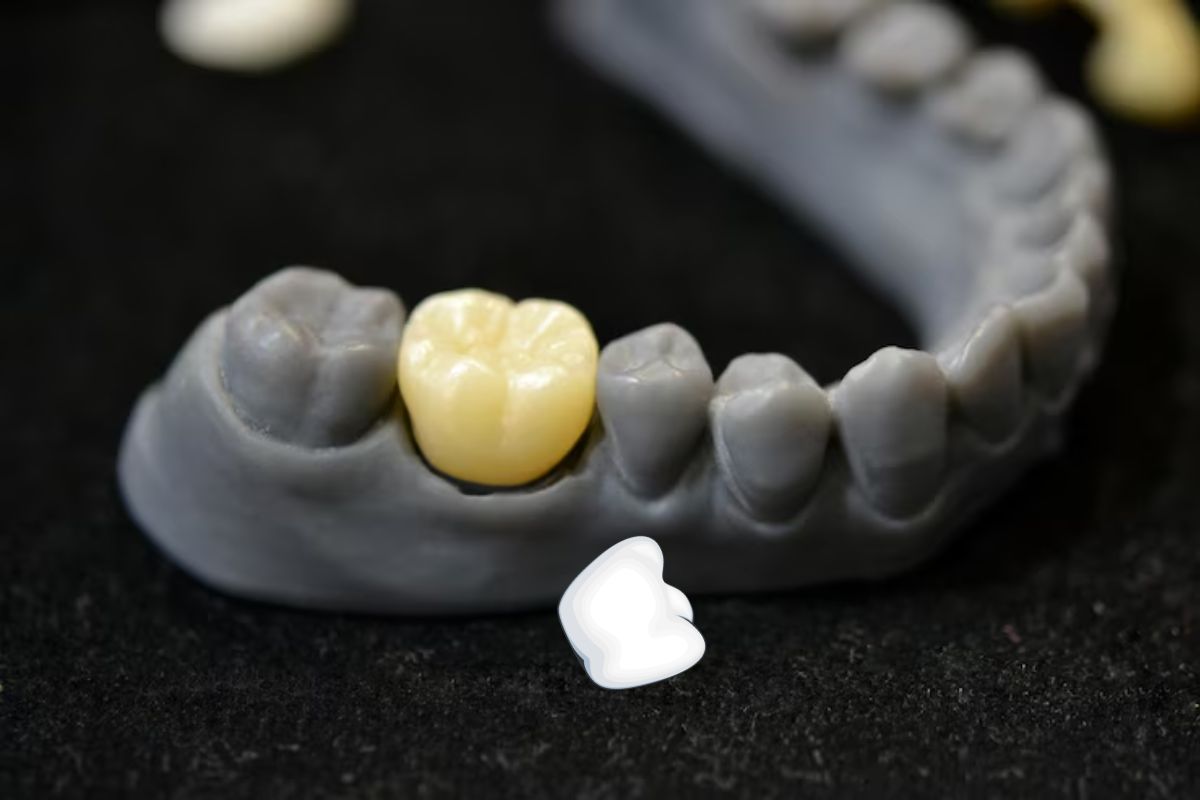
A dental crown is a custom-made cap that fits over a tooth to restore its shape, strength, and function. Crowns are often used after root canal treatment, to cover large fillings, or to protect cracked or weakened teeth. They can be made from various materials, including porcelain, ceramic, metal, or a combination.
Crowns are designed to be strong, but they’re not indestructible. Daily wear and tear, accidental trauma, or underlying dental issues can compromise their fit or integrity.
Signs Your Crown Is Loose or Damaged
Sometimes the signs are obvious — your crown may fall out while chewing or brushing. Other times, the signs are subtle but should not be ignored. Here are common symptoms to watch for:
- Wobbling or movement when touching or chewing
- Sudden sensitivity to hot, cold, or sweet foods
- Discomfort or pressure near the crowned tooth
- Visible cracks or chips on the crown’s surface
- Pain when biting down
- Crown falling off completely
If you’re experiencing any of these symptoms, don’t wait. A loose or damaged crown can expose the underlying tooth to bacteria and decay, leading to more serious dental issues.
Common Causes of a Loose or Damaged Crown
Understanding what causes a crown to loosen or break can help you avoid future problems. Here are a few typical culprits:
1. Tooth Decay Beneath the Crown
If decay develops under the crown’s edge, it can weaken the natural tooth, causing the crown to loosen or fall off.
2. Cement Erosion
Dental crowns are bonded in place with strong dental cement. Over time, this adhesive can break down, compromising the crown’s grip.
3. Injury or Trauma
Biting down on something hard (like ice or nuts), grinding your teeth (bruxism), or facial trauma can cause the crown to chip, crack, or dislodge.
4. Wear and Tear
Crowns typically last 10 to 15 years, but even longer-lasting materials can deteriorate with age and regular use.
5. Poor Fit or Placement
Crowns that weren’t properly fitted initially may be more prone to loosening over time.
What to Do If Your Crown Is Loose or Falls Out
Don’t panic! Follow these important steps to protect your tooth and get timely care:
1. Remove the Crown (If It’s Loose but Still Attached)
If the crown is partially dislodged, gently remove it to avoid swallowing or accidentally breathing it in. Place it in a clean container to bring to your dentist.
2. Inspect the Crown and Tooth
If you can, look for visible damage to the crown or exposed tooth. Be cautious — the underlying tooth may be sensitive or fragile.
3. Rinse Your Mouth
Use warm salt water to rinse your mouth and remove any debris or bacteria. This also helps soothe inflammation if the area feels irritated.
4. Avoid Chewing on That Side
Stick to soft foods and avoid chewing on the side with the loose or missing crown. This will reduce pressure on the exposed tooth and prevent further damage.
5. Use Temporary Dental Cement (If Necessary)
If you can’t see your dentist immediately, temporary dental cement (available at most pharmacies) can help secure the crown for a short time. However, this is not a long-term fix.
6. Call Your Dentist Promptly
Even if there’s no pain, a loose or missing crown is a dental emergency. Contact your dentist as soon as possible for an evaluation and proper treatment.
What Your Dentist Will Do
Once you’re in the dental chair, your dentist will evaluate both the crown and the tooth underneath to determine the best course of action. Here’s what typically happens:
1. Examination and X-rays
Your dentist will inspect the crown and take X-rays to check for decay, fractures, or problems with the tooth’s structure.
2. Cleaning and Preparation
The area will be cleaned to remove bacteria or debris. If decay is present, it must be treated before replacing or refitting the crown.
3. Crown Recementing or Replacement
- If the crown is intact and the tooth is healthy, your dentist may simply clean the area and reattach the crown with fresh cement.
- If the crown is damaged or doesn’t fit anymore, a new crown will need to be custom-made.
- If the underlying tooth is damaged, additional procedures such as a root canal or post build-up may be required before placing a new crown.
How to Prevent Future Crown Issues
Preventative care and smart habits can help your crown last longer and reduce the risk of complications. Here are a few tips:
- Practice Good Oral Hygiene: Brush and floss daily, especially around the crown’s edges.
- Avoid Hard Foods: Minimize chewing on hard candy, ice, or bones.
- Address Teeth Grinding: If you clench or grind your teeth at night, talk to your dentist about a custom night guard.
- Visit Your Dentist Regularly: Routine exams help catch issues early before they become serious.
- Use the Crown Properly: Avoid using your teeth as tools (e.g., opening bottles or packages), which can damage both natural teeth and restorations.
A loose or damaged crown isn’t just an inconvenience—it signals that something needs attention. Whether your crown needs a quick recementing or a complete replacement, prompt dental care can prevent pain, protect your natural tooth, and restore your smile. Don’t wait for the problem to get worse. Book an appointment now and let your dental professional guide you through a comfortable, effective solution.