Can a Tooth Infection Spread? Warning Signs You Should Never Ignore
Blog
Can a Tooth Infection Spread? Warning Signs You Should Never Ignore
By OCEANSIDE FAMILY DENTAL, October 6, 2026
A tooth infection can spread to the jaw, face, sinuses, and bloodstream. Learn the warning signs, when to seek emergency care, and how gum disease treatment in Oceanside can stop infection early.
A toothache that keeps coming back is more than a nuisance. Many people on Long Island put off a dental visit because the pain fades for a few days, but an infection does not heal on its own. If you have been searching for gum disease treatment in Oceanside, there is a good chance your mouth is already sending you signals. So, can a tooth infection spread? Yes, it can. It may move into the jawbone, the soft tissue of the face and neck, and in rare cases into the bloodstream. The good news is that early action protects both your smile and your overall health.
How a Tooth Infection Begins
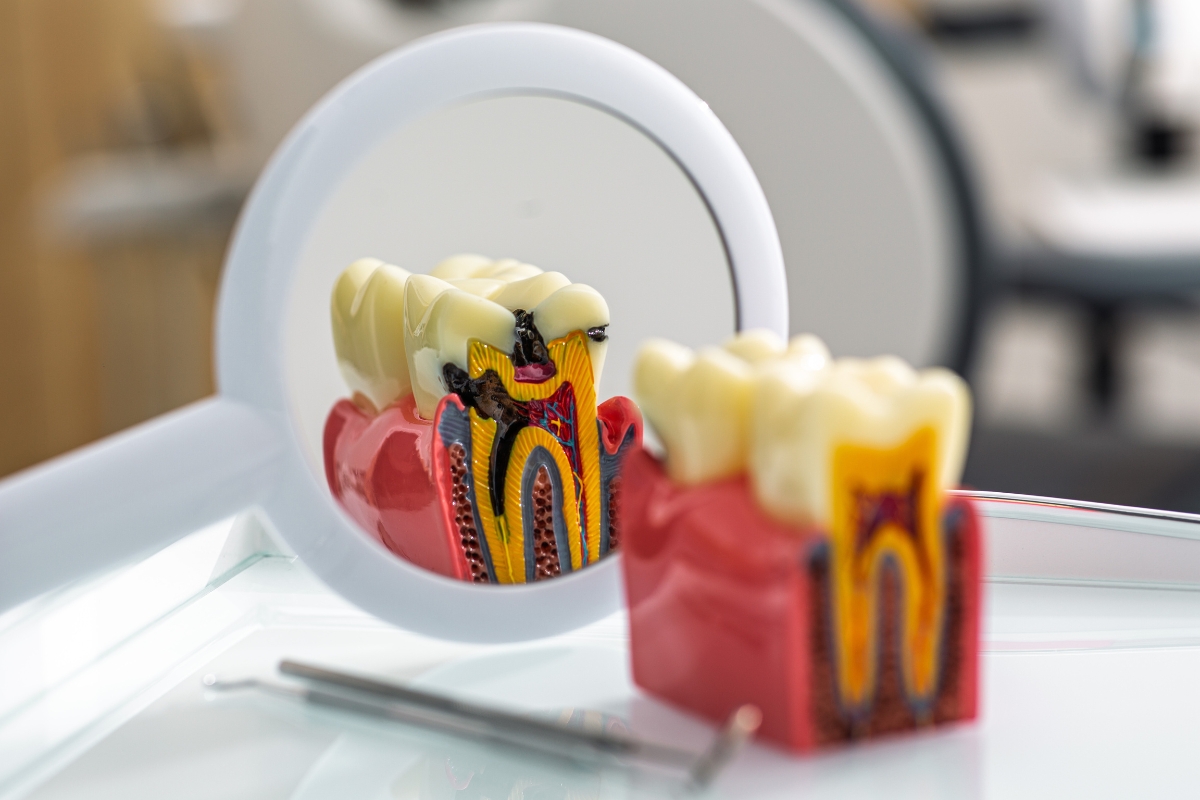
Most tooth infections start with bacteria. A deep cavity, a cracked tooth, a worn filling, or an injury can let bacteria reach the pulp, which is the soft center of the tooth. Once that happens, your body tries to fight back, and a pocket of pus called an abscess can form at the root tip or along the gum line. Because the infection sits inside a tooth or below the gums, it often stays hidden until it grows large enough to cause pain, swelling, or a bad taste in your mouth.
Gum Disease Is a Common and Overlooked Source
Infections are not always caused by cavities. Periodontal disease, better known as gum disease, begins when plaque toxins irritate the gums and bacteria settle into the pockets around your teeth. Over time, it can damage the connective tissue and jawbone, loosen teeth, and create painful gum abscesses. Gum disease is the leading cause of adult tooth loss in developed countries, yet it can be painless in its early stages. That is why timely gum disease treatment in Oceanside matters so much, even when your symptoms seem mild.
How a Tooth Infection Can Spread
When an abscess cannot drain, the infection looks for another path. It can travel in several directions.
First, it can move into the jawbone. Bacteria can break down the bone around a tooth, which weakens its support and can lead to tooth loss.
Second, it can spread into the face and neck. Swelling can build in the cheek, under the jaw, or along the neck. Swelling near the throat can make swallowing or breathing difficult, which is a medical emergency.
Third, it can reach the sinuses. Infections in the upper back teeth sit close to the sinus cavity and may cause pressure, congestion, and pain.
Finally, in rare cases, bacteria can enter the bloodstream and cause a life-threatening condition called sepsis. People with diabetes, weakened immune systems, or heart conditions face a higher risk.
Warning Signs You Should Never Ignore
Pay close attention if you notice any of the following. A throbbing toothache that lingers or wakes you at night is the classic sign. Swelling in your gums, cheek, or jaw is another, especially if it keeps growing. A small bump on the gum that leaks fluid often points to an abscess. A bad taste or foul odor that returns right after brushing suggests drainage from an infected area. Fever, tender lymph nodes under the jaw, and unusual fatigue show that your body is fighting infection. Pain when chewing, or sharp sensitivity to hot and cold, can mean the nerve is involved. Gums that bleed easily, look red, or pull away from the teeth may signal gum disease below the surface. Loose teeth can be a sign of advanced infection or bone loss.
When to Seek Emergency Care
Go to the nearest emergency room right away if you have trouble breathing or swallowing, swelling that is spreading quickly toward your eye or neck, a high fever, confusion, or a rapid heartbeat. These can be signs that the infection has moved beyond the mouth. For any other symptom on the list above, call your dentist as soon as possible. Early treatment is faster, simpler, and more comfortable than waiting. Do not try to drain an abscess yourself, and do not place aspirin directly on the gum, since that can burn the tissue. A cold compress on the outside of the cheek and an over-the-counter pain reliever taken as directed can ease discomfort until you are seen, but they are not a cure.
What Treatment Looks Like at Our Oceanside Office
At Oceanside Family Dental, every visit begins with a careful exam. Digital X-rays and 3D imaging from our Prexion CBCT scanner help us find the source of the problem, including bone changes that cannot be seen with the eye alone. Treatment depends on the cause. A tooth infection may need a root canal or an extraction to remove the source. For gum disease, we may recommend scaling and root planing to clear bacteria and tartar from below the gum line, along with medicated rinses or antibiotics when needed. More advanced cases can call for tissue regeneration or pocket reduction surgery. We also offer minimally invasive periodontal care and laser dentistry for patients who prefer a gentler approach. Many of our patients tell us how comforting and gentle our team is, which matters a great deal if dental anxiety has kept you away.
How to Prevent Tooth Infections
Brush twice a day with fluoride toothpaste, floss daily, and limit sugary snacks and drinks. Schedule cleanings and exams every six months, or more often if you have a history of gum disease. Repair cracked teeth and replace worn fillings early. If you have diabetes, keep your blood sugar under control, since it directly affects gum health. If you play contact sports, ask about a mouthguard, because a fractured tooth gives bacteria an open door. Most importantly, never ignore a toothache just because it goes away.
Do Not Wait for the Pain to Get Worse
If you are dealing with swelling, bleeding gums, or a toothache that will not quit, do not wait. Our team provides gum disease treatment in Oceanside along with urgent dental care for families across Nassau County. Call us at (516) 766-0732 or book online today to schedule your visit at 3377 Long Beach Road, Oceanside, New York 11572. We are open six days a week, so relief is closer than you think.
Frequently Asked Questions
Can a tooth infection go away on its own?
No. Pain may fade if the nerve dies or the abscess drains, but the bacteria remain, and the infection can return stronger. A dentist needs to treat the source.
How fast can a tooth infection spread?
It varies. Some infections stay in one place for weeks, while others spread within days. Rapid swelling, fever, or trouble swallowing means you should seek emergency care immediately.
Can gum disease cause a tooth infection?
Yes. Deep gum pockets can trap bacteria and form abscesses, and untreated gum disease can damage the bone that supports your teeth.
Do antibiotics cure a tooth infection?
Antibiotics can slow the spread of bacteria, but they rarely remove the cause. Most infections still need a dental procedure such as a root canal, a deep cleaning, or an extraction.
Do you see emergency patients?
Yes. New patients and emergency appointments are welcome, and we offer extended evening hours on Tuesday and Thursday.