Non-Surgical vs. Surgical Treatments for Periodontitis: What’s Right for You?
Blog
Non-Surgical vs. Surgical Treatments for Periodontitis: What’s Right for You?
Periodontitis—commonly known as gum disease—is a serious oral health condition that affects the soft tissue and bone supporting your teeth. If left untreated, it can lead to tooth loss and increase the risk of other health problems such as heart disease and diabetes. Fortunately, modern dentistry offers a range of non-surgical and surgical treatments for periodontitis depending on the severity of the disease and individual patient needs.
Understanding the differences between these treatment options can help you make informed decisions about your gum health. In this blog, we’ll compare non-surgical vs. surgical treatments for periodontitis, how they work, and which may be right for you.
What Is Periodontitis?
Before diving into treatment options, it’s important to understand what periodontitis is. Periodontitis is an advanced form of gum disease that begins as gingivitis—a mild inflammation of the gums caused by plaque buildup. When left untreated, gingivitis can progress into periodontitis, where the gums pull away from the teeth, forming pockets that harbor bacteria.
These bacteria trigger the body’s immune response, which can break down the connective tissue and bone holding your teeth in place. Over time, this can lead to gum recession, loose teeth, and even tooth loss.
When Is Treatment Needed?
If you experience symptoms such as:
- Bleeding gums while brushing or flossing
- Chronic bad breath
- Receding gums
- Loose or shifting teeth
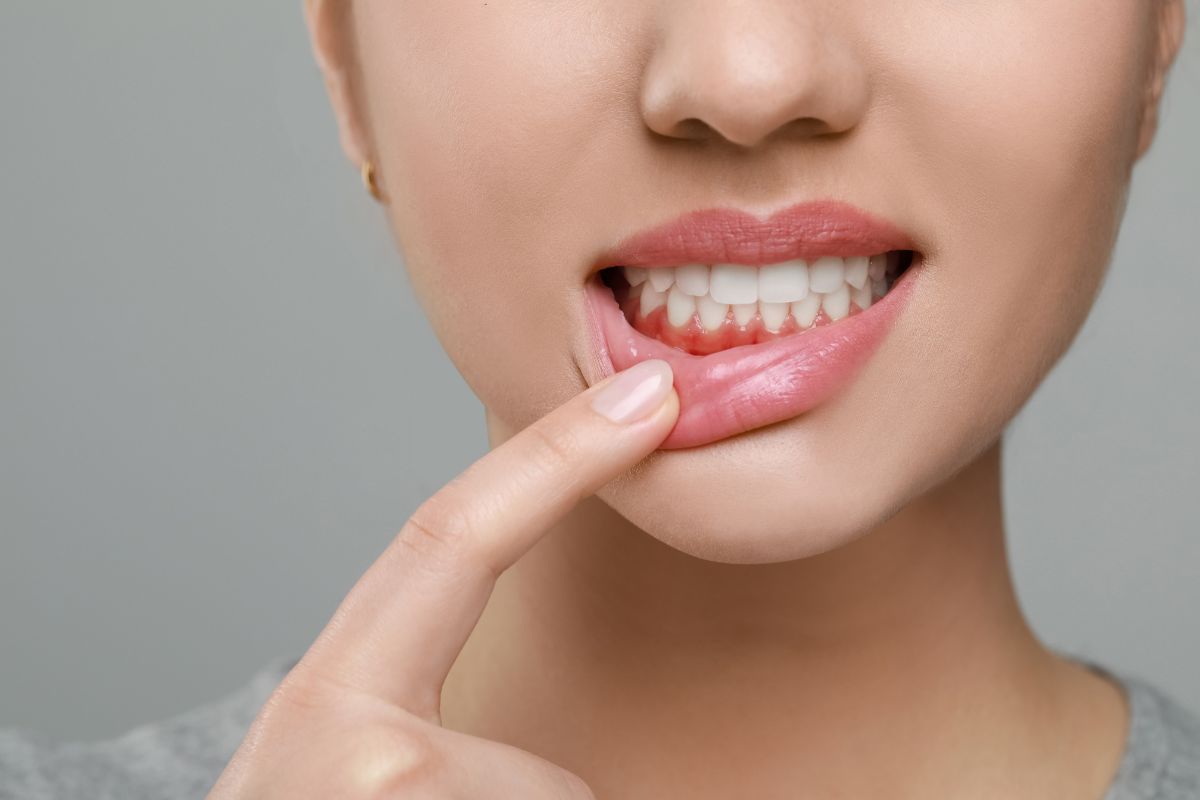
- Swollen, red, or tender gums
…it’s essential to seek dental care promptly. Your dentist or periodontist will perform a thorough evaluation to determine the stage of gum disease and the best treatment approach—non-surgical or surgical.
Non-Surgical Treatments for Periodontitis
Non-surgical options are typically the first line of defense in the early to moderate stages of periodontitis. These treatments are designed to control bacterial infection and stop the disease from progressing.
1. Scaling and Root Planing (Deep Cleaning)
Scaling and root planing is a deep cleaning procedure performed under local anesthesia.
- Scaling removes plaque and tartar from above and below the gum line.
- Root planing smooths out the tooth roots, helping gums reattach and making it harder for bacteria to collect in the future.
This is often the first treatment used for patients with mild to moderate periodontitis. Multiple visits may be needed for optimal results.
2. Antibiotic Therapy
Topical or oral antibiotics may be prescribed to eliminate persistent bacterial infections. These can be used alone or in combination with scaling and root planing.
- Topical antibiotics (like gels or mouth rinses) are placed directly into the periodontal pockets.
- Oral antibiotics are used to treat more widespread infections.
3. Laser Therapy
Some dentists use dental lasers as a minimally invasive option to remove infected gum tissue and bacteria. Laser therapy may cause less discomfort and faster healing than traditional tools, though it’s typically used as a supplement to other treatments.
Benefits of Non-Surgical Treatments
- Less invasive and more comfortable
- Minimal to no downtime
- Lower cost compared to surgery
- Can be repeated as needed
- Effective for early-stage periodontitis
However, if periodontitis has advanced to the point where bone loss or deep gum pockets are present, surgical options may be necessary.
Surgical Treatments for Periodontitis
When non-surgical methods are not enough to restore gum health, surgical intervention is often required to repair and regenerate damaged tissues.
1. Flap Surgery (Pocket Reduction Surgery)
In this procedure, the gums are lifted back to expose the roots for more thorough cleaning. Irregular surfaces of the damaged bone may be smoothed to limit the areas where bacteria can hide. The gums are then sutured back in place, reducing the depth of periodontal pockets.
2. Bone Grafts
Bone grafts are used when the disease has caused bone loss around the teeth. This involves placing natural or synthetic bone material in the affected area to promote regrowth and stabilize the tooth.
3. Soft Tissue Grafts
When the gums have receded significantly, soft tissue grafting may be performed using tissue from the roof of your mouth or a donor source. This helps cover exposed roots, reduce sensitivity, and restore a healthier gumline.
4. Guided Tissue Regeneration (GTR)
This surgical technique encourages the regrowth of bone and gum tissue by placing a special membrane between the tooth and bone. This barrier allows the bone to regenerate without interference from fast-growing gum tissue.
5. Laser-Assisted New Attachment Procedure (LANAP)
LANAP is an FDA-approved laser procedure used in periodontal surgery. It selectively removes diseased tissue and bacteria while preserving healthy tissue and stimulating new bone growth.
Benefits of Surgical Treatments
- Essential for advanced periodontitis
- Can regenerate lost bone and tissue
- Reduces deep pockets where bacteria thrive
- Helps save teeth that might otherwise be lost
- Long-term improvement in oral health
Surgical procedures may require more recovery time and post-operative care but are often the most effective way to combat severe gum disease.
Non-Surgical vs. Surgical: Which Treatment Is Right for You?
Choosing the right treatment for periodontitis depends on several factors, including:
- The stage and severity of the disease
- The depth of periodontal pockets
- The extent of bone or gum loss
- Your overall health and risk factors
- Previous response to non-surgical therapy
Non-Surgical May Be Best If:
- You have mild to moderate periodontitis
- Gum pockets are not excessively deep
- Bone loss is minimal
- You’re seeking a less invasive option
Surgical May Be Best If:
- Non-surgical treatments haven’t been effective
- You have advanced gum disease or significant bone loss
- You need to restore damaged tissues or reduce deep pockets
- You’re at risk of tooth loss
Your dentist or periodontist will evaluate your condition and recommend a personalized treatment plan to restore your gum health and prevent further complications.
Maintaining Gum Health After Treatment
Whether you receive non-surgical or surgical treatment, maintaining good oral hygiene is essential to keep gum disease from returning. This includes:
- Brushing twice daily with a soft-bristled toothbrush
- Flossing daily to remove plaque from between teeth
- Using an antibacterial mouthwash if recommended
- Attending regular dental checkups and cleanings
- Quitting smoking and managing conditions like diabetes
Staying proactive after treatment is key to preserving your oral health and avoiding future problems.
Take Control of Your Gum Health Today
Periodontitis is a serious but treatable condition. With both non-surgical and surgical options available, you and your dentist can find the best approach to stop the progression of gum disease and restore a healthy smile. Early intervention is crucial—don’t wait until symptoms become severe.
Request an appointment now to schedule a periodontal evaluation and find out which treatment path is right for you. Your gums—and your overall health—will thank you.