Early Signs of Gum Disease and When to Seek Care

Blog
Early Signs of Gum Disease and When to Seek Care
Most people do not think much about their gums until something feels wrong. A little bleeding when you brush, a bit of soreness, maybe some bad breath that will not go away no matter how much you floss. It is easy to write these things off as minor. The truth is, these small signals are often the earliest stage of gum disease, and catching them early can save you from a lot of pain, time, and expense down the road.
At Oceanside Family Dental, we see patients every week who did not realize their gum irritation had already progressed past gingivitis. Gum disease is one of the most common oral health issues among adults, and it is also one of the most preventable when it is caught in time. This guide walks through what gum disease actually is, the early warning signs to watch for, and when it is time to schedule gum disease treatment in Oceanside with our team.
What Is Gum Disease, Exactly
Gum disease, also called periodontal disease, starts when plaque builds up along the gumline and is not removed through regular brushing and flossing. That plaque contains bacteria that irritate and inflame the gum tissue. In its earliest stage, this is called gingivitis. If it is left untreated, the infection can spread below the gumline into the pockets around your teeth, where it becomes much harder to reach with a toothbrush alone.
Over time, untreated gum disease damages the connective tissue and bone that hold your teeth in place. This is why periodontal disease is one of the leading causes of tooth loss in adults. The good news is that gingivitis is reversible with proper care, and even more advanced periodontal disease can be managed effectively with the right treatment plan.
Early Signs of Gum Disease You Should Not Ignore
Gum disease does not usually show up as a sudden, obvious problem. It tends to creep in gradually, which is exactly why so many people miss the early signs. Here is what to watch for.
Bleeding gums when you brush or floss. A small amount of blood in the sink might seem minor, but healthy gums should not bleed during normal brushing and flossing. This is often the very first sign of gum inflammation.
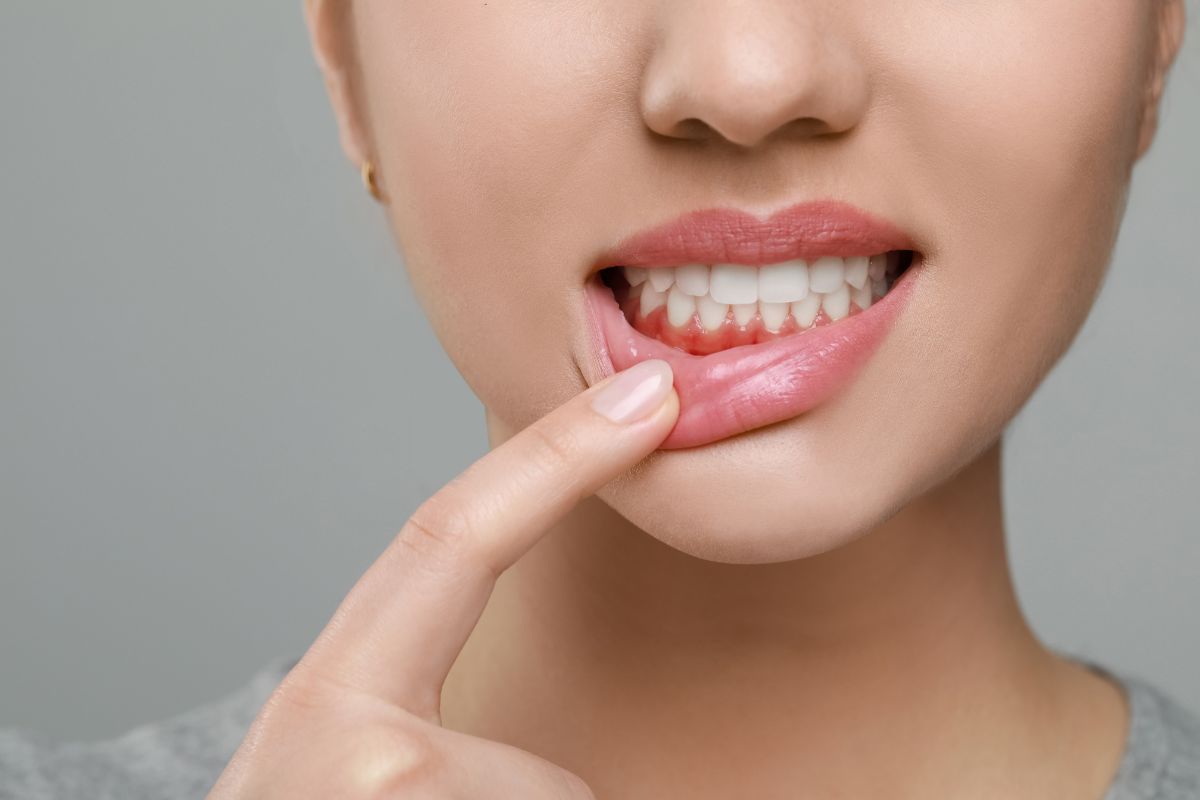
Red, swollen, or tender gums. Healthy gum tissue is firm and pale pink. If your gums look puffy, feel tender to the touch, or appear darker red than usual, that is a sign of inflammation.
Persistent bad breath. Chronic bad breath that does not improve with brushing, mouthwash, or gum can be a sign of bacteria buildup below the gumline.
Gums that are pulling away from your teeth. This is known as gum recession, and it can make your teeth look longer than normal. It is often a sign that gum disease has progressed beyond the earliest stage.
Loose or shifting teeth. As periodontal disease advances, it weakens the bone and connective tissue that hold teeth in place. Any noticeable movement in your teeth should be checked right away.
Changes in your bite. If your teeth suddenly feel like they fit together differently when you chew, this can point to bone loss caused by advanced gum disease.
Pus between the teeth and gums. This is a sign of active infection and should be evaluated promptly.
If any of these sound familiar, it does not necessarily mean you have advanced periodontal disease. It does mean it is time to have your gums evaluated by a dental professional.
Why Catching Gum Disease Early Matters
Gingivitis is reversible. With a professional cleaning, improved home care, and sometimes a deeper cleaning called scaling and root planing, the inflammation can clear up, and your gums can return to health. Once gum disease progresses into periodontitis, however, the damage to bone and connective tissue is permanent, even though the disease itself can still be controlled and managed.
This is also why regular dental checkups matter so much. Many patients at our Oceanside dental office have no idea their gums are in trouble until a routine exam picks it up, long before symptoms become obvious or painful. Early detection is genuinely one of the simplest ways to protect your long-term oral health.
How We Treat Gum Disease at Our Dental Office
Every patient is different, so treatment depends on how far the disease has progressed. For early-stage gingivitis, a professional cleaning combined with better daily oral hygiene habits is often enough to reverse the inflammation. For more advanced cases, we may recommend scaling and root planing, a deep cleaning procedure that removes plaque and tartar from below the gumline and smooths the tooth root to help gums reattach.
Our practice has served families in Oceanside0, and our team, led by Dr. Melissa Rosenfeld, takes a personalized approach to periodontal care. We also work closely with our in-house periodontist for patients who need more advanced treatment, so you are never left figuring out the next step on your own.
When You Should Schedule an Appointment
You do not need to wait until your gums hurt to get checked out. If you notice any bleeding, swelling, tenderness, or bad breath that will not go away, that is reason enough to schedule a visit. The earlier gum disease is caught, the simpler and less invasive the treatment tends to be.
Protect Your Smile Before Gum Disease Progresses
If you have noticed any of the signs above, do not wait for things to get worse. Oceanside Family Dental has been caring for local families, and our team is ready to help you get your gum health back on track. Call us today to schedule your evaluation, or visit our Oceanside, NY office at 3377 Long Beach Rd. New patients and emergency appointments are always welcome.
Frequently Asked Questions
Can gum disease go away on its own?
Gingivitis, the earliest stage, can improve with better brushing, flossing, and a professional cleaning. Once it advances into periodontitis, it requires professional treatment to manage and control.
Is bleeding when I floss normal?
No. Bleeding gums are one of the clearest early signs of gum inflammation and should not be considered normal, even if it happens only occasionally.
How often should I get a dental cleaning to prevent gum disease?
Most patients benefit from a professional cleaning every six months, though some patients with a history of gum issues may need more frequent visits.
Does gum disease treatment hurt?
Most treatments, including deep cleanings, are performed with local anesthesia to keep you comfortable throughout the procedure.