Preventing Cracked Teeth: Tips to Avoid Further Dental Damage
Blog
Preventing Cracked Teeth: Tips to Avoid Further Dental Damage
Cracked teeth are more common than many people realize. From minor hairline fractures to significant splits that extend below the gumline, these dental issues can lead to pain, sensitivity, and even tooth loss if not addressed promptly. Fortunately, while some causes of cracked teeth are accidental or age-related, many are preventable. In this blog, we’ll explore how cracked teeth occur, the risks involved, and practical tips to help you avoid further dental damage.
What Causes Cracked Teeth?
Teeth can crack for various reasons, including:
- Chewing hard foods such as ice, popcorn kernels, or hard candies
- Trauma or injury to the mouth (e.g., during sports or accidents)
- Bruxism (teeth grinding), especially during sleep
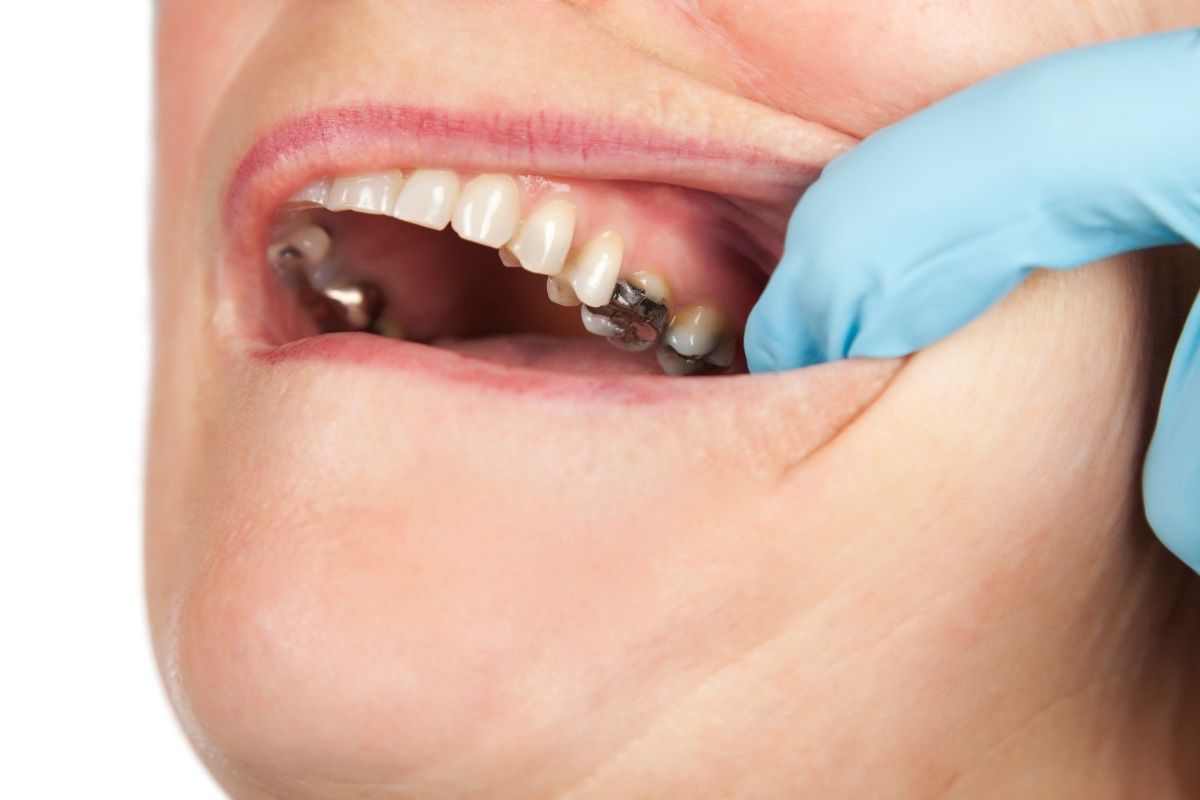
- Large fillings that weaken the tooth structure
- Sudden temperature changes in the mouth (like eating something very hot and then drinking ice water)
- Age, as enamel naturally weakens over time
Even small cracks can allow bacteria to enter the tooth and lead to infection or decay. That’s why preventing cracks—and addressing them early—is crucial for your long-term oral health.
Signs You Might Have a Cracked Tooth
Cracked teeth don’t always cause immediate pain, but here are some symptoms to watch for:
- Pain when chewing or biting
- Sensitivity to hot, cold, or sweet foods
- Swelling around the tooth
- Intermittent tooth pain with no obvious cause
If you experience any of these, it’s important to see your dentist right away.
Prevention Tips: How to Avoid Cracked Teeth
Fortunately, many cracked teeth can be prevented with mindful habits and professional care. Here are the top ways to keep your teeth strong and intact:
1. Avoid Chewing Hard Objects
Never use your teeth as tools to open bottles, bite your nails, or chew pens. Avoid chewing on ice, hard candy, or unpopped popcorn kernels—common culprits behind cracked teeth.
2. Wear a Mouthguard
If you grind your teeth at night (bruxism) or play contact sports, a custom-fitted mouthguard can protect your teeth from fractures.
3. Treat Grinding and Clenching Early
Chronic teeth grinding puts excessive pressure on your teeth. Talk to your dentist about a nightguard or other treatments to manage this condition.
4. Address Dental Issues Promptly
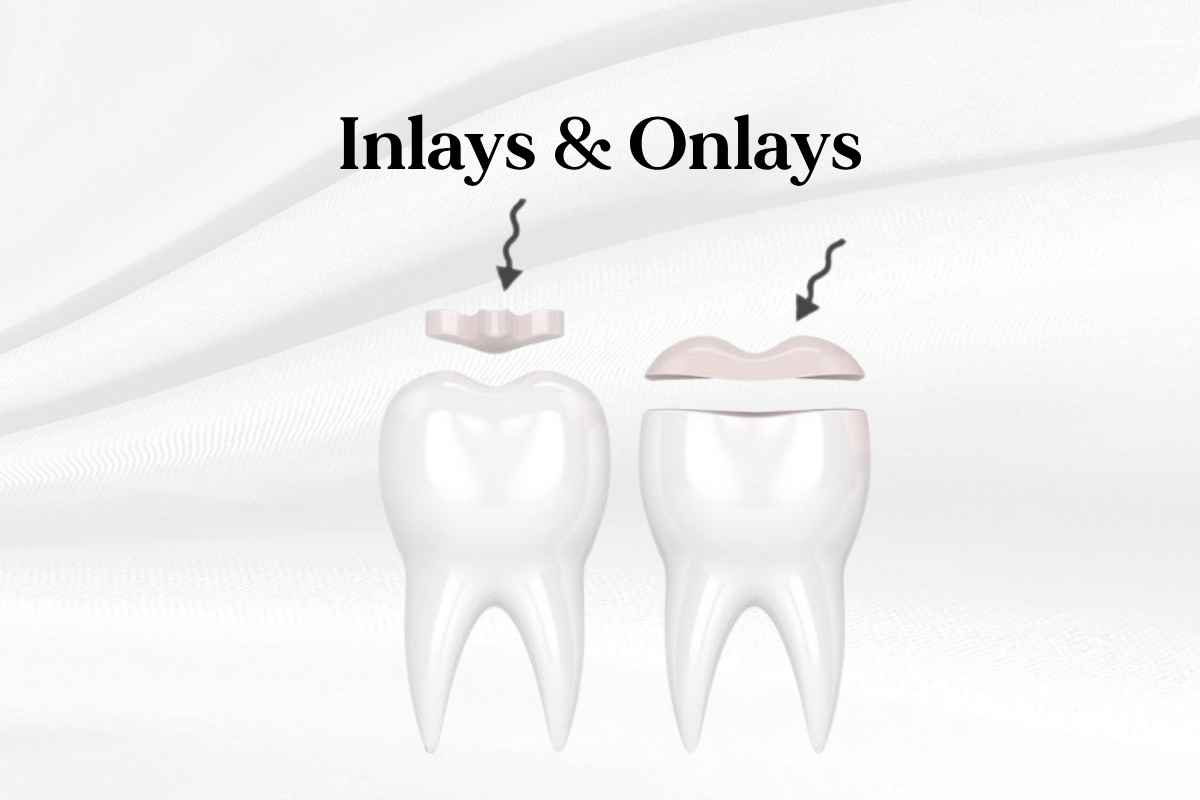
Large fillings or weakened teeth from decay are more prone to cracking. Make sure to follow through on recommended dental treatments such as crowns or onlays to restore and reinforce these teeth.
5. Don’t Ignore Temperature Sensitivity
Avoid extreme temperature shifts in your food or drink. Going from hot to cold quickly can expand and contract your tooth enamel, increasing the risk of cracking.
6. Practice Good Oral Hygiene
Brushing twice a day, flossing, and regular cleanings prevent decay and gum disease—both of which can compromise the integrity of your teeth.
7. Stay Hydrated
Drinking water helps maintain saliva flow, which protects your enamel and helps your teeth resist wear and tear.
The Importance of Routine Dental Visits
Regular checkups allow your dentist to catch small cracks or signs of enamel wear before they develop into bigger problems. X-rays and thorough exams can help identify early fractures and prevent tooth loss or infection.
In one case study, a patient with no visible signs of damage complained of discomfort when chewing. Upon examination, a hidden crack was discovered and treated early—saving the tooth. This is just one of many examples of how preventive dental care can make all the difference.
Cracked teeth can lead to pain, infection, and even tooth loss, but with the right habits and care, they are largely preventable. By avoiding harmful behaviors, using protective devices like mouthguards, and visiting your dentist regularly, you can significantly reduce your risk of cracking a tooth.
Book an appointment now to have your teeth evaluated and receive personalized advice on how to protect your smile from future dental damage.