Causes and Impacts of Missing Teeth
Blog
Causes and Impacts of Missing Teeth
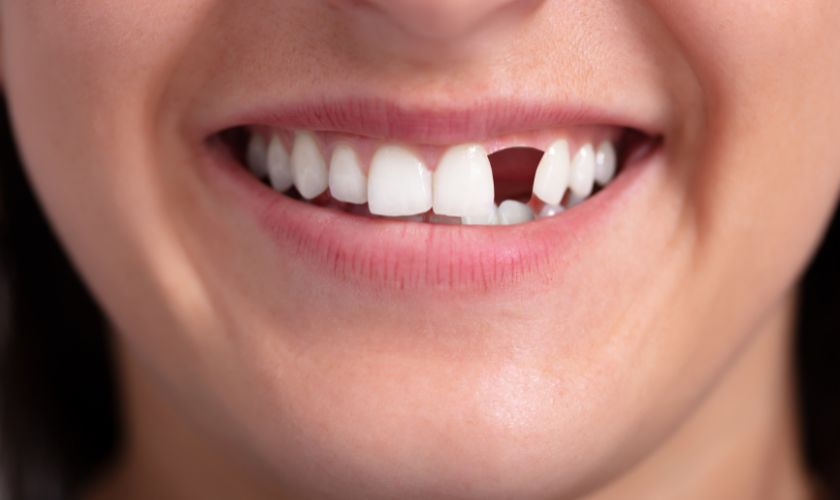
Missing teeth can significantly impact oral health and overall well-being. Understanding the causes and effects of tooth loss is crucial for maintaining good dental hygiene and preventing further complications. In this article, we’ll explore the various reasons why teeth may be lost and delve into the potential consequences of missing teeth on both oral health and quality of life.
Causes of Missing Teeth
- Tooth Decay and Cavities:
- Poor oral hygiene practices can lead to the accumulation of plaque and bacteria on the teeth, causing decay and cavities.
- Untreated cavities can progress to the point where the tooth becomes irreparably damaged and requires extraction.
- Gum Disease (Periodontitis):
- Gum disease is a common cause of tooth loss, characterized by inflammation and infection of the gums and supporting structures of the teeth.
- Advanced stages of gum disease can result in the loss of bone support around the teeth, leading to tooth mobility and eventual loss.
- Trauma or Injury:
- Accidents, sports injuries, or physical trauma to the mouth can result in the fracture or avulsion of teeth.
- Severe trauma may necessitate the extraction of damaged teeth to prevent further complications.
- Congenital Factors:
- Some individuals may be born with congenital conditions that affect tooth development, such as ectodermal dysplasia or hypodontia, leading to missing teeth.
- Dental Extractions:
- In some cases, teeth may need to be extracted due to extensive decay, infection, or overcrowding in the mouth, contributing to tooth loss.
Impacts of Missing Teeth
- Difficulty Chewing and Speaking:
- Missing teeth can impair the ability to chew food properly, leading to digestive issues and nutritional deficiencies.
- Speech may also be affected, causing difficulties in pronunciation and communication.
- Shifting of Adjacent Teeth:
- When a tooth is lost, adjacent teeth may gradually shift or tilt into the space, leading to misalignment and bite problems.
- This can further exacerbate dental issues and increase the risk of additional tooth loss.
- Bone Loss and Jaw Atrophy:
- The roots of teeth play a crucial role in stimulating the underlying jawbone to maintain its density and strength.
- When teeth are missing, the lack of stimulation can lead to bone resorption and atrophy, resulting in changes to facial structure and potential complications for dental prosthetics.
- TMJ Disorders and Jaw Pain:
- Changes in bite alignment due to missing teeth can contribute to temporomandibular joint (TMJ) disorders, causing jaw pain, stiffness, and discomfort.
- Psychological and Social Impact:
- Missing teeth can negatively impact self-esteem, confidence, and social interactions, leading to feelings of self-consciousness and embarrassment.
- Individuals may avoid smiling or speaking in public settings, affecting their quality of life and interpersonal relationships.
Conclusion
Understanding the causes and impacts of missing teeth underscores the importance of proactive dental care and early intervention to prevent tooth loss whenever possible. Maintaining good oral hygiene practices, attending regular dental check-ups, and seeking timely treatment for dental issues can help preserve natural teeth and mitigate the adverse effects of missing teeth on oral health and overall well-being.