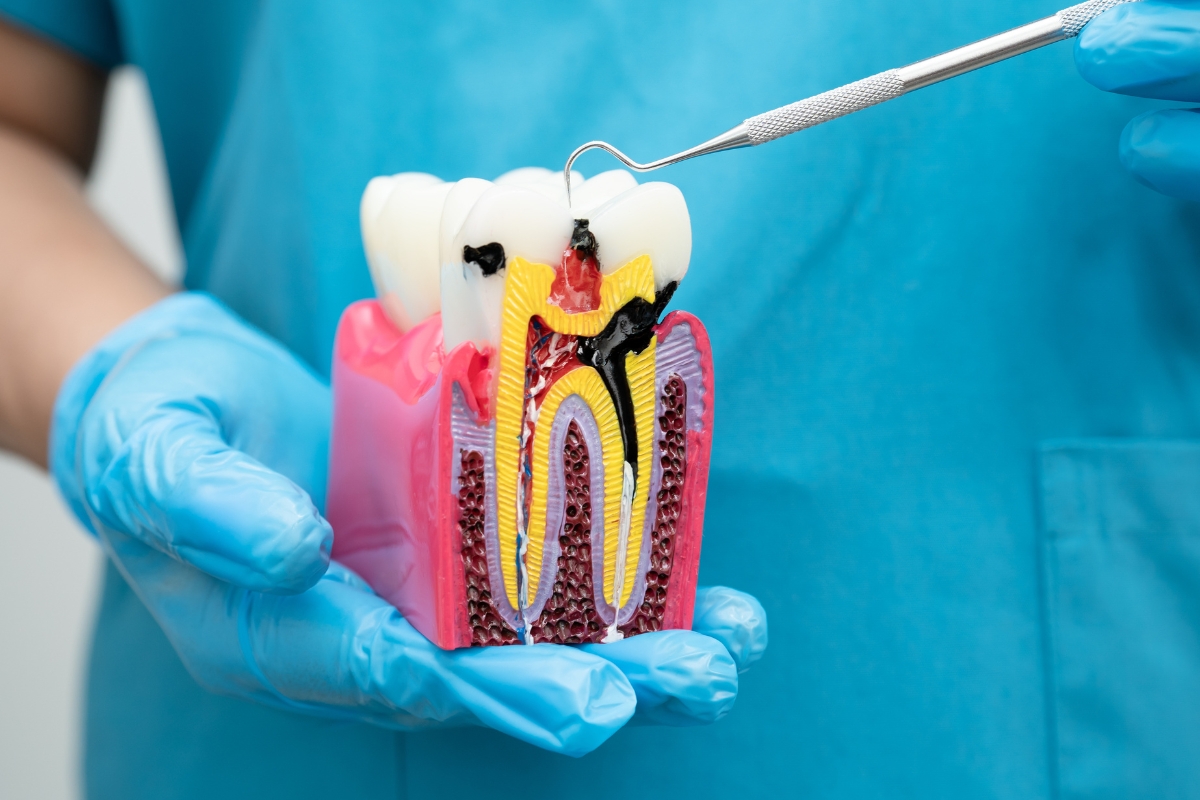
Root Canal Aftercare: 5 Effective Tips for Speedy Recovery

Blog
Root Canal Aftercare: 5 Effective Tips for Speedy Recovery
A root canal may sound intimidating, but it’s a highly effective and routine procedure that can save a severely infected or damaged tooth. Thanks to modern techniques and anesthesia, the treatment itself is often no more painful than getting a filling. However, proper aftercare plays a critical role in ensuring a smooth and speedy recovery.
In this blog, we’ll explore five effective root canal aftercare tips that can help minimize discomfort, prevent complications, and get you back to feeling like yourself faster.
Why Aftercare Matters
After a root canal, the infected or inflamed pulp inside the tooth is removed, and the canal is cleaned, disinfected, and sealed. While the nerve is gone, the surrounding tissues still need time to heal. Without proper aftercare, you may experience:
- Prolonged pain or swelling
- Infection
- Delayed healing
- Damage to the treated tooth or surrounding area
Good aftercare promotes healing, protects the tooth, and ensures that your root canal results are long-lasting.
1. Manage Discomfort with Over-the-Counter Medications
It’s common to feel mild to moderate discomfort for a few days after a root canal. This can include tenderness, pressure, or slight swelling around the treated tooth.
What to Do:
- Take over-the-counter pain relievers like ibuprofen (Advil, Motrin) or acetaminophen (Tylenol) as directed by your dentist.
- Avoid aspirin, which can increase bleeding.
- Use a cold compress on the outside of your cheek for 10–15 minutes at a time to reduce swelling during the first 24 hours.
When to Call Your Dentist:
- Pain that worsens after a few days
- Swelling that doesn’t subside
- Signs of infection (fever, foul taste, pus)
Pain should decrease gradually. If it increases, reach out to your provider for a checkup.
2. Avoid Chewing on the Treated Side
After a root canal, the treated tooth is more fragile—especially if it hasn’t yet been restored with a permanent crown. Applying pressure can lead to cracks or damage.
What to Do:
- Chew on the opposite side of your mouth until your dentist places the final restoration.
- Stick to soft foods for the first couple of days (yogurt, soup, scrambled eggs, smoothies, etc.).
- Avoid hard, crunchy, or sticky foods (like nuts, chips, or gum) until your tooth is fully restored.
Once the permanent crown or filling is in place, your tooth will be much stronger and better able to handle regular function.
3. Practice Gentle Yet Thorough Oral Hygiene
Keeping the area clean is crucial to prevent reinfection and support healing.
What to Do:
- Continue to brush and floss your teeth as normal, being extra gentle near the treated tooth.
- Rinse your mouth with warm salt water (½ teaspoon of salt in 1 cup of water) to soothe the area and reduce bacteria.
- Avoid vigorous rinsing or using a water flosser near the treated tooth until healing progresses.
Maintaining excellent oral hygiene will protect the root canal site and surrounding tissues during recovery.
4. Avoid Smoking and Alcohol
Both smoking and alcohol consumption can interfere with the healing process, reduce blood flow to the affected area, and increase the risk of infection.
What to Do:
- Avoid tobacco and alcohol for at least 48 to 72 hours after your procedure—or longer, if possible.
- Consider using this recovery period as a chance to quit smoking entirely, which benefits both your oral and overall health.
If you need help managing nicotine cravings during recovery, talk to your doctor or dentist about support options.
5. Follow Up with Your Dentist for Final Restoration
A root canal is typically completed in one or two appointments. However, placing a crown or permanent filling afterward is critical to protect the tooth from future damage.
Why It’s Important:
- A root canal-treated tooth becomes more brittle over time without its nerve and blood supply.
- A crown provides the strength needed for chewing and prevents the tooth from cracking or breaking.
What to Do:
- Attend all follow-up appointments as scheduled.
- Don’t delay getting your permanent crown or restoration—leaving the tooth unprotected increases the risk of failure.
Your dentist will advise whether a crown is needed based on the tooth’s location and condition.
Bonus Tip: Listen to Your Body
Everyone heals at their own pace. While mild discomfort and sensitivity are normal, listen to your body and monitor for signs of complications.
Watch for:
- Swelling that gets worse after the first few days
- Persistent or severe pain
- Fever or chills
- Visible pus or unusual taste in your mouth
These could be signs of reinfection or other complications and should be addressed promptly by your dental provider.
How Long Does Recovery Take?
Most people feel significantly better within a few days after a root canal. Full recovery typically takes about a week, though healing can vary depending on the severity of the infection and your overall health.
With proper care and timely follow-up, your treated tooth can last a lifetime.
Root canal treatment may sound daunting, but with the right aftercare, recovery can be quick and uneventful. By following these five tips—managing discomfort, avoiding pressure on the tooth, maintaining hygiene, avoiding harmful habits, and completing follow-up care—you’ll be well on your way to a healthy, pain-free smile.
Remember, your dental team is there to support you every step of the way. Don’t hesitate to reach out if you have questions or concerns during recovery.
Have questions about root canal recovery or need to schedule your appointment? Contact your local dental office today—we’re here to help you heal quickly and confidently!