How to Tell If You Need a Root Canal Before the Pain Gets Worse
Blog
How to Tell If You Need a Root Canal Before the Pain Gets Worse
Have you noticed a tooth feeling “off” lately, even though the pain is not severe yet? Many people wait until the discomfort becomes impossible to ignore before seeking care. But in many cases, early warning signs appear long before intense pain starts. Recognizing those signs early can help protect your tooth and prevent a larger dental problem later on.
For many families in Oceanside, busy schedules, commuting, weekend beach outings, coffee runs, and sports activities can make it easy to put oral health on the back burner. Still, paying attention to subtle changes in your teeth can make a major difference.
At Oceanside Family Dental, Dr. Rosenfeld focuses on helping patients identify problems early and preserve their natural teeth whenever possible.
If you are looking for root canal treatment in Oceanside, knowing the signs in advance may help you avoid worsening discomfort and infection.
What Happens When a Tooth Needs a Root Canal?
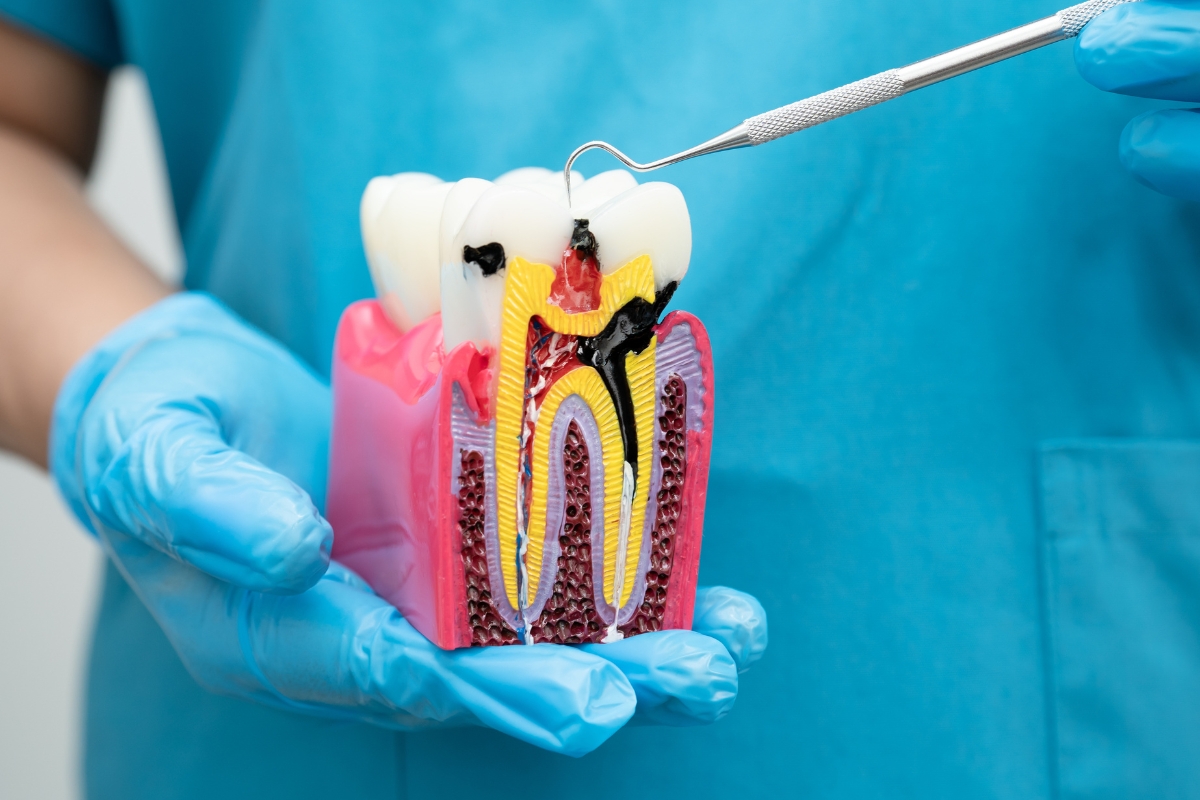
Inside every tooth is soft tissue called pulp. This area contains nerves and blood vessels that help keep the tooth healthy. When the pulp becomes inflamed or infected due to deep decay, cracks, injury, or repeated dental work, the tooth may require treatment to remove the infection and protect the remaining structure.
Many people think severe pain is always the first sign. In reality, symptoms often begin quietly. Early care may help prevent swelling, the spread of infection, or tooth loss.
Modern root canal treatment is designed to clean the infected area, seal the tooth, and help you keep your natural smile. The process focuses on restoring comfort while preserving the tooth whenever possible.
7 Signs You May Need Care Before the Pain Gets Worse
1. Sensitivity That Lingers After Eating or Drinking
If your tooth reacts strongly to hot coffee, iced drinks, or sweet foods, and the sensitivity lasts for several seconds afterward, it may indicate irritation deep inside the tooth.
Many Oceanside residents enjoy hot drinks during early commutes or cold beverages during warmer months near the coast. If sensitivity continues regularly, it should not be ignored.
2. A Small Ache That Comes and Goes
A dull ache that appears randomly may seem harmless at first. However, recurring discomfort can signal inflammation inside the tooth. Some people notice the feeling while chewing, exercising, or late at night.
Pain that fades temporarily does not always mean the issue is gone. Infections inside the tooth can continue progressing quietly.
3. Swollen or Tender Gums Near One Tooth
Swelling around a single tooth may indicate an infection below the gumline. In some cases, a small bump may appear near the affected area.
This symptom often develops before severe pain starts. Early evaluation can help stop the infection from spreading into nearby tissue.
4. Tooth Discoloration
A tooth that suddenly looks darker than the surrounding teeth may indicate damage inside the pulp. Trauma from sports, grinding, or previous dental work can sometimes affect the inner tissue even if the outside of the tooth looks fine.
This is one reason many people seek root canal treatment before major discomfort begins.
5. Pain While Biting or Chewing
If chewing pizza crust, crunchy snacks, or other hard foods causes discomfort, the tooth may be inflamed or cracked.
People living active lifestyles in Oceanside often overlook this symptom because it feels minor at first. But ongoing pressure sensitivity can worsen over time.
6. A Cracked or Chipped Tooth
Even a small crack can allow bacteria to reach the inner pulp. This may happen during sports activities, when grinding teeth, or when chewing hard foods.
Once bacteria enter the tooth, infection can develop without obvious symptoms at first. Prompt care can help prevent complications.
7. Ongoing Bad Taste or Persistent Bad Breath
A lingering unpleasant taste in your mouth may be linked to drainage from an infected tooth. Chronic bad breath that does not improve with brushing or mouthwash may also indicate underlying oral health concerns.
If these symptoms continue, scheduling an evaluation is important.
Why Early Oral Care Matters
Waiting too long can allow infection to spread deeper into the tooth and surrounding bone. Early diagnosis often means fewer complications and a smoother recovery process.
Many people delay care because they assume treatment will be painful. Modern techniques and digital imaging have significantly changed the experience. The goal is to remove infection while helping patients stay comfortable throughout the visit.
Choosing root canal treatment early may also reduce the chance of needing an extraction later.
Everyday Habits That Can Increase the Risk
Several common habits among adults and teens can increase the chances of needing this procedure:
- Skipping regular cleanings
- Frequent sugary drinks or snacks
- Teeth grinding during stress
- Playing sports without a mouthguard
- Ignoring small cavities or cracked fillings
- Delaying treatment because symptoms seem minor
People with busy work schedules in and around Oceanside often postpone appointments until pain becomes severe. However, small warning signs are usually easier to manage than advanced infections.
You can also learn more about post-procedure healing and oral care through recovery tips here.
When Should You Schedule a Visit?
If you notice sensitivity, swelling, chewing discomfort, or a darkened tooth, it is important to have the area checked before the condition worsens. A proper exam and digital imaging can help identify whether the tooth can still be preserved.
Many patients are surprised to learn that root canal treatment can often stop pain before it becomes intense. Early care also supports long-term oral health and daily comfort.
If you have been searching for Root canal treatment in Oceanside, taking action early may help you avoid more extensive procedures later.
Before symptoms interfere with work, sleep, meals, or daily routines, visit our dental office in Oceanside to discuss the next steps and learn which option is right for your smile.
Protect Your Tooth Before the Problem Gets Worse
Ignoring early signs may lead to severe pain, swelling, or infection that becomes harder to manage. Seeking care at the right time can help preserve your natural tooth and restore comfort sooner.
At Oceanside Family Dental, patients receive thorough evaluations and personalized care focused on long-term oral health. If you are noticing warning signs, now is the time to book an appointment and have the area examined before the discomfort progresses further.
Visit the office at 3377 Long Beach Rd, Oceanside, NY 11572 to learn more about available care options and protect your smile for the future.
Frequently Asked Questions (FAQs)
Can A Tooth Infection Exist Without Severe Pain?
Yes. Some infected teeth cause only mild sensitivity, pressure, or swelling in the early stages. A professional evaluation can help identify hidden issues before they worsen.
Is Sensitivity To Cold Always A Sign Of A Serious Problem?
Not always, but lingering sensitivity that lasts after eating or drinking should be checked to rule out deeper tooth damage.
Can A Cracked Tooth Lead To Infection?
Yes. Even small cracks may allow bacteria to enter the tooth and affect the inner tissue over time.
How Long Should I Wait Before Getting A Tooth Checked?
It is better not to wait if symptoms continue for more than a few days. Early care may help prevent more advanced damage.
Will The Procedure Help Save My Natural Tooth?
In many cases, yes. Cleaning and sealing the infected area can help preserve the natural tooth structure.
What Happens If I Ignore The Symptoms?
An untreated infection may spread deeper into the tooth and surrounding areas, leading to swelling, severe pain, or tooth loss.