Can Botox Help TMJ Disorder? What Oceanside Patients Should Know
Blog
Can Botox Help TMJ Disorder? What Oceanside Patients Should Know
The answer is yes. When TMJ symptoms are caused by overactive jaw muscles, Botox may reduce clenching force, relieve muscle tension, decrease headache frequency, and improve overall comfort. While it is not a cure for temporomandibular joint disorder, many patients experience significant symptom relief when Botox is incorporated into a personalized treatment plan.
Life in this busy South Shore community often means balancing work, family responsibilities, commuting, and packed schedules. Those daily pressures can contribute to unconscious jaw clenching and teeth grinding, two habits that frequently worsen TMJ symptoms. Many people do not realize they are tightening their jaw until pain begins affecting their sleep, meals, or concentration.
At Oceanside Family Dental, patients receive comprehensive evaluations to identify the source of jaw discomfort rather than simply treating symptoms. Dr. Melissa Rosenfeld helps patients understand whether muscle tension, teeth grinding, bite-related concerns, or other factors may be contributing to TMJ pain and how our Botox treatment in Oceanside could be their ideal solution. If persistent jaw discomfort is interfering with your daily routine, scheduling a personalized evaluation can help determine the most effective path forward.
What Is Botox and Why Is It Used for TMJ Disorders?
Botox is a purified protein that temporarily relaxes targeted muscles. For TMJ-related conditions, it is used to reduce excessive muscle contractions that contribute to jaw pain, clenching, grinding, and facial tension.
Botox has been used for decades in both medical and dental settings. While often linked to cosmetic treatments, healthcare providers also utilize Botox to treat conditions related to muscle overactivity.
For patients with muscle-related TMJ symptoms, the goal is simple: reduce the workload placed on chronically overactive jaw muscles.
The treatment commonly focuses on muscles responsible for:
- Chewing
- Clenching
- Grinding
- Jaw stabilization
By decreasing the intensity of these muscle contractions, Botox may help improve comfort throughout the day and night.
How Does Botox Work for TMJ Pain?
Botox works by temporarily interrupting signals between nerves and muscles. This reduces excessive muscle activity that often contributes to TMJ-related discomfort.
Instead of forcing muscles to stop functioning, Botox allows them to relax and contract less aggressively.
Reduces Jaw Clenching
Many people unknowingly clench their jaw throughout the day. Work stress, concentration, driving, and emotional tension can all trigger this habit.
Botox helps decrease the force generated during clenching episodes, reducing stress placed on muscles and surrounding structures.
Relaxes Overactive Masseter Muscles
The masseter muscles are among the strongest muscles in the human body relative to their size. These muscles perform much of the work involved in chewing and grinding.
When they remain overactive, pain and fatigue can develop. Botox may help reduce this excessive workload.
Helps Minimize Tension Headaches
Patients with TMJ disorders frequently experience headaches originating from overworked jaw and temple muscles.
Reducing muscle tension can lessen one of the common triggers associated with these headaches.
Decreases Nighttime Grinding Force
Many individuals grind their teeth during sleep without realizing it.
Although Botox does not eliminate every cause of grinding, it may reduce the intensity of muscle contractions responsible for excessive grinding pressure.
Which TMJ Symptoms May Improve With Botox?
Botox is generally most effective for symptoms related to muscle overactivity rather than structural joint damage. Patients with clenching- and grinding-related discomfort often experience the greatest benefit.
Potential symptoms that may improve include:
Jaw Pain
Persistent soreness along the jawline often develops when chewing muscles remain active for extended periods.
Facial Muscle Tightness
Some patients describe a constant feeling of tension or pressure throughout the cheeks and lower face.
Morning Jaw Soreness
Waking up with jaw discomfort frequently suggests overnight clenching or grinding activity.
Tension Headaches
Muscle strain affecting the jaw and temples can contribute to recurring headaches.
Jaw Fatigue
Eating, talking, or chewing may become uncomfortable when muscles remain overworked.
Teeth Grinding Discomfort
Patients who grind their teeth often experience facial soreness and muscle tenderness that Botox may help reduce.
What Does Current Research Say About Botox for TMJ Disorders?
Research suggests Botox may help reduce pain, muscle activity, and discomfort associated with certain TMJ disorders, particularly those involving muscle overuse and clenching.
Multiple clinical studies have evaluated Botox as a treatment option for muscular TMJ symptoms. While researchers continue studying long-term outcomes, many findings show improvements in:
- Pain levels
- Muscle tenderness
- Jaw comfort
- Headache frequency
- Quality of life
One important takeaway is that treatment success often depends on proper patient selection. Botox is not intended to treat every form of TMJ disorder, which is why a comprehensive evaluation remains critical.
Who Is a Good Candidate for Botox Therapy?
Patients experiencing chronic jaw clenching, muscle-related facial pain, teeth grinding, or recurring tension headaches may be candidates for Botox therapy following a professional evaluation.
You may be a candidate if you experience:
- Frequent jaw tightness
- Chronic clenching habits
- Nighttime grinding
- Morning headaches
- Facial muscle soreness
- Jaw fatigue while chewing
- Symptoms that persist despite conservative measures
Every patient presents differently. Understanding the source of discomfort helps determine whether Botox may be appropriate.
What Happens During a Botox Appointment?
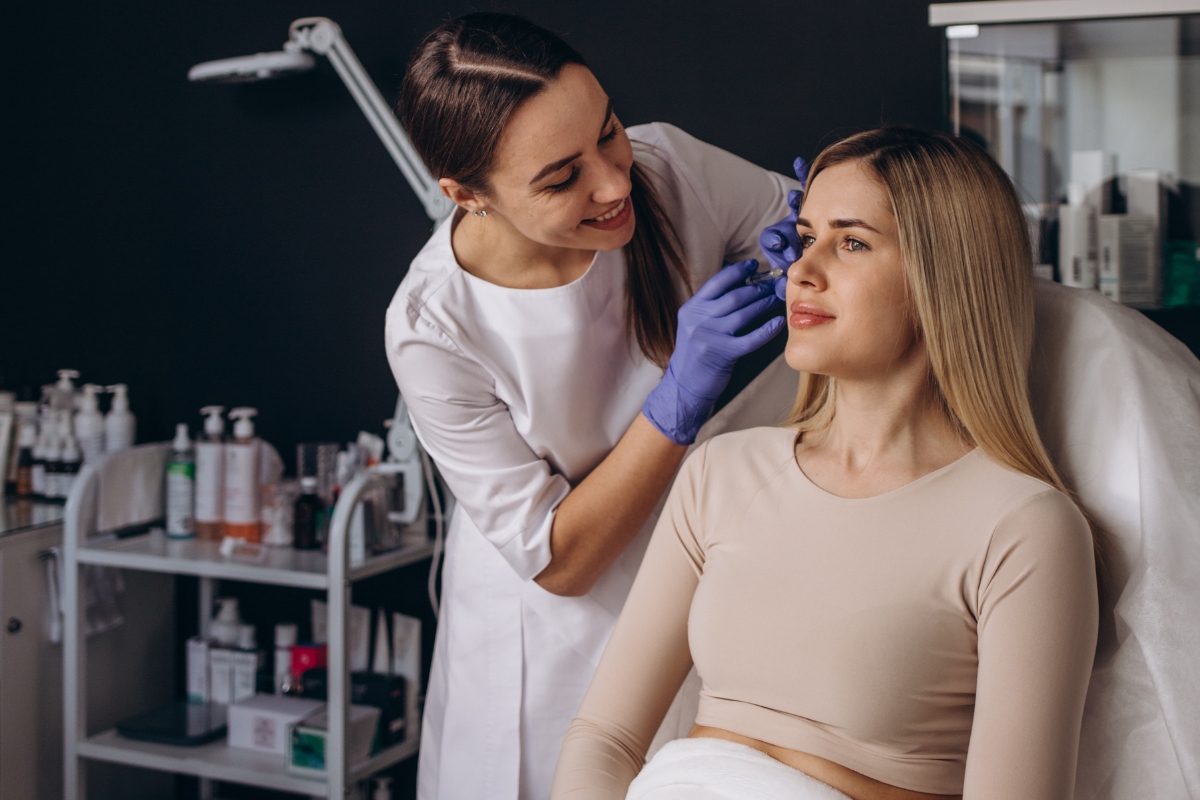
A Botox appointment begins with a clinical evaluation and treatment planning process designed to identify the most appropriate injection sites and treatment goals.
Comprehensive Consultation
Your provider evaluates symptoms, jaw function, muscle activity, medical history, and contributing factors.
Targeted Treatment Areas
Treatment commonly focuses on muscles involved in chewing and clenching activities.
Injection Procedure
The injections themselves typically take only a short amount of time. The process is minimally invasive and performed in the dental office.
Return to Daily Activities
Most patients return to normal daily activities shortly after treatment.
How Long Does Botox Last for TMJ Symptoms?
Botox results generally develop gradually over several days and may last several months. Individual experiences vary depending on muscle strength, metabolism, and treatment goals.
Most patients notice that improvements occur progressively rather than immediately.
Factors affecting longevity include:
- Severity of clenching habits
- Muscle size
- Individual physiology
- Treatment area
- Lifestyle factors
Follow-up evaluations help determine when additional treatment may be beneficial.
Why More Patients Are Exploring Botox for TMJ Relief
Many patients pursue Botox because it targets one of the most common causes of TMJ discomfort: chronic muscle tension.
Busy schedules, stressful workdays, extended screen time, long commutes, and sleep-related grinding habits can all contribute to overactive jaw muscles.
Residents enjoying local restaurants, spending time along the waterfront, or gathering with family often notice how significantly jaw pain affects everyday activities once symptoms become severe. Eating comfortably, sleeping soundly, and speaking without discomfort should not feel like challenges.
For patients whose symptoms stem primarily from muscle overactivity, Botox treatment in Oceanside from a trusted provider like Oceanside Family Dental offers a conservative option that focuses directly on the source of tension rather than simply masking discomfort.
Find Out Whether Botox Could Be Right for You
TMJ-related jaw pain, clenching, headaches, and facial tension can gradually interfere with nearly every aspect of daily life. When overactive muscles are driving those symptoms, Botox may provide meaningful relief by reducing muscle strain and improving overall comfort.
The first step is identifying the true source of your discomfort. Schedule a personalized evaluation at Oceanside Family Dental in Oceanside to learn whether Botox therapy may be appropriate for your condition and to receive a treatment plan designed around your unique needs, symptoms, and long-term oral health goals.
Frequently Asked Questions
Can Botox stop teeth grinding permanently?
No. Botox may reduce the force of grinding by relaxing targeted muscles. Underlying causes of bruxism can still exist and may require additional management strategies.
Will Botox change the appearance of my face?
Most TMJ-focused Botox treatments prioritize muscle relaxation and symptom relief. Any aesthetic changes are generally subtle and vary from patient to patient.
How quickly does Botox begin working for TMJ symptoms?
Many patients begin noticing improvement within several days. Results typically develop gradually as the treated muscles become less active.
Can Botox help headaches caused by TMJ disorders?
Yes. Some tension headaches originate from overworked jaw and temple muscles. Reducing muscle activity may help lessen headache frequency and severity.
Is Botox painful?
Most patients describe the injections as quick and well-tolerated. Discomfort is usually minimal and temporary.
Can Botox be combined with a night guard?
Yes. Many patients benefit from both therapies because they address different aspects of clenching and grinding-related problems.
How do I know if I am a candidate for TMJ Botox?
A comprehensive evaluation is necessary to determine whether muscle overactivity contributes to your symptoms. Your provider can recommend appropriate treatment options based on those findings.