Can You Go Back to Normal Teeth After Veneers?

Blog
Can You Go Back to Normal Teeth After Veneers?
Dental veneers are a popular cosmetic solution for people looking to improve their smile. Whether it’s covering stains, fixing chips, or reshaping uneven teeth, veneers offer a natural-looking enhancement. But one common question patients ask is: “Can you go back to normal teeth after veneers?”
The answer isn’t as straightforward as yes or no—it depends on the type of veneers you have and the condition of your natural teeth. Let’s break it down.
What Are Veneers?
Veneers are thin, custom-made shells placed over the front surface of your teeth to improve their appearance. They come in two main types:
- Porcelain Veneers – Durable, stain-resistant, and long-lasting, but require more tooth preparation.
- Composite Veneers – Less invasive and more affordable but may not last as long as porcelain.
The Process of Getting Veneers
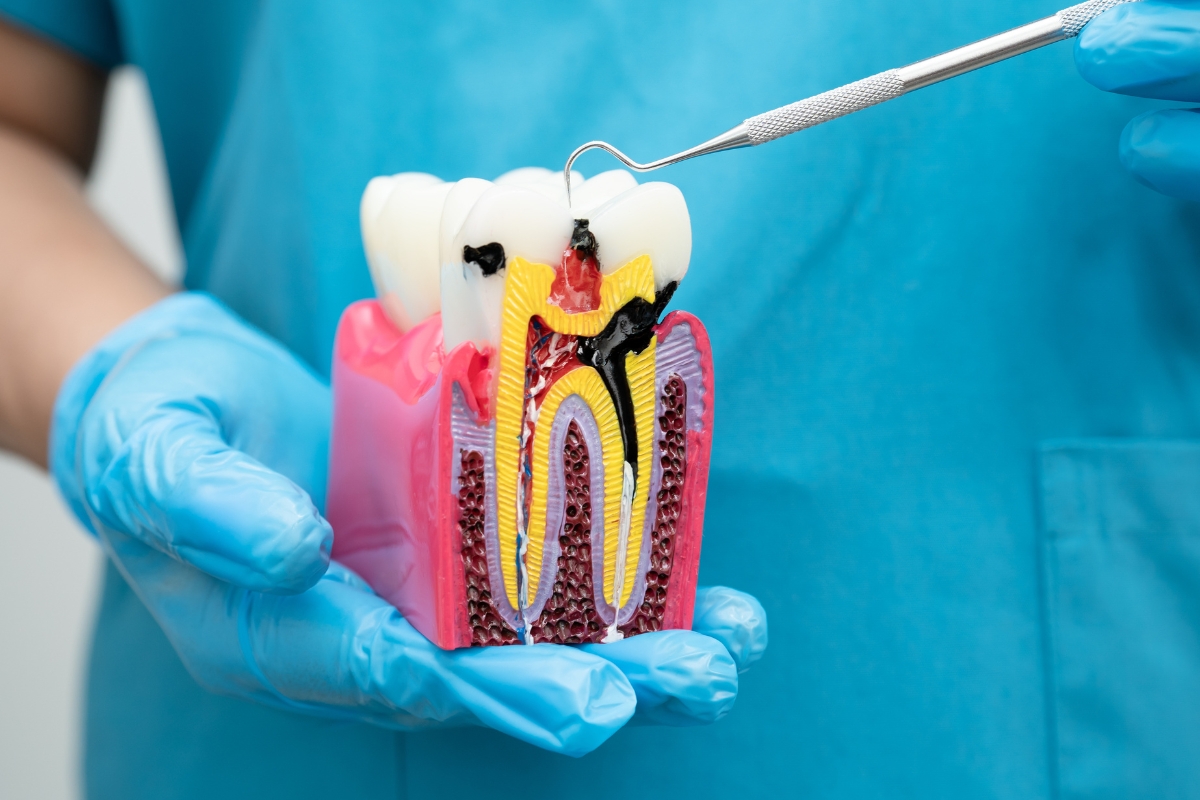
Before veneers are placed, your dentist typically removes a very thin layer of enamel (about 0.3–0.7 millimeters) from the teeth. This ensures the veneers fit securely and look natural. Because enamel doesn’t grow back, this step makes veneers a permanent treatment option.
Can You Go Back to Normal Teeth After Veneers?
1. Traditional Porcelain Veneers
If you have porcelain veneers, your natural teeth are permanently altered. Once enamel is removed, you can’t simply return to your original teeth. If veneers are removed, your teeth may appear smaller, weaker, or more sensitive. In these cases, you’ll likely need another cosmetic or restorative treatment to protect them.
2. No-Prep Veneers (Minimal Enamel Removal)
Some patients opt for “no-prep” veneers, which require little to no enamel removal. In this case, you may technically have the option to remove them and keep your natural teeth. However, it depends on how your teeth respond during the bonding and removal process.
3. Composite Veneers
Composite veneers are less invasive and sometimes reversible. They can often be polished off or replaced with another treatment, but some enamel may still be affected.
What Happens If You Want to Remove Veneers?
If you decide you no longer want veneers, your options usually include:
- Replacing with new veneers – The most common choice.
- Switching to crowns – If your natural teeth have weakened.
- Alternative cosmetic treatments – Such as bonding or whitening (possible in some cases of no-prep veneers).
Your dentist will evaluate the condition of your underlying teeth before recommending the safest option.
Pros and Cons of Veneers
Pros:
- Natural-looking smile
- Stain resistance
- Long-lasting results (10–15 years for porcelain)
- Can fix chips, gaps, and discoloration
Cons:
- Irreversible in most cases
- May require replacements over time
- Potential for tooth sensitivity
So, can you go back to normal teeth after veneers? In most cases, no. Once enamel is removed, veneers are considered permanent. However, advancements like no-prep veneers and composite bonding may offer more flexibility for certain patients.
If you’re considering veneers, it’s important to have an open discussion with your dentist about your goals, long-term expectations, and whether reversible options are available.
A confident smile is an investment—and understanding the permanence of veneers helps you make the best choice for your dental health.