How Dental Cleanings Help Prevent Gum Disease
Blog
How Dental Cleanings Help Prevent Gum Disease
Gum disease is one of the most common oral health problems, affecting millions of people each year. Also known as periodontal disease, it begins with inflammation of the gums (gingivitis) and can progress to serious infections that damage the bone and tissue supporting your teeth. Left untreated, gum disease can lead to tooth loss and contribute to other health issues, including heart disease and diabetes.
The good news? Gum disease is largely preventable—and professional dental cleanings play a vital role in keeping your gums healthy. In this blog, we’ll explore how routine cleanings help prevent gum disease, what to expect during a dental cleaning, and why scheduling regular visits is essential for long-term oral health.
What Is Gum Disease?
Gum disease begins when plaque—a sticky film of bacteria—builds up on the teeth and along the gumline. If not removed through daily brushing, flossing, and professional cleanings, plaque hardens into tartar (calculus), which cannot be removed at home.
The two main stages of gum disease are:
- Gingivitis: The earliest stage, characterized by red, swollen, or bleeding gums. It is reversible with proper care.
- Periodontitis: A more advanced stage where the gums pull away from the teeth, forming pockets that collect bacteria. This can lead to bone loss and tooth mobility.
Preventing the progression of gum disease starts with routine dental cleanings and early detection.
How Dental Cleanings Prevent Gum Disease
Dental cleanings, also known as prophylaxis, go far beyond what you can achieve with your toothbrush and floss. Here’s how they help prevent gum disease:
1. Removal of Plaque and Tartar
Even with the best at-home oral hygiene routine, it’s nearly impossible to remove all plaque, especially in hard-to-reach areas. Over time, plaque hardens into tartar, which can only be removed by a dental professional.
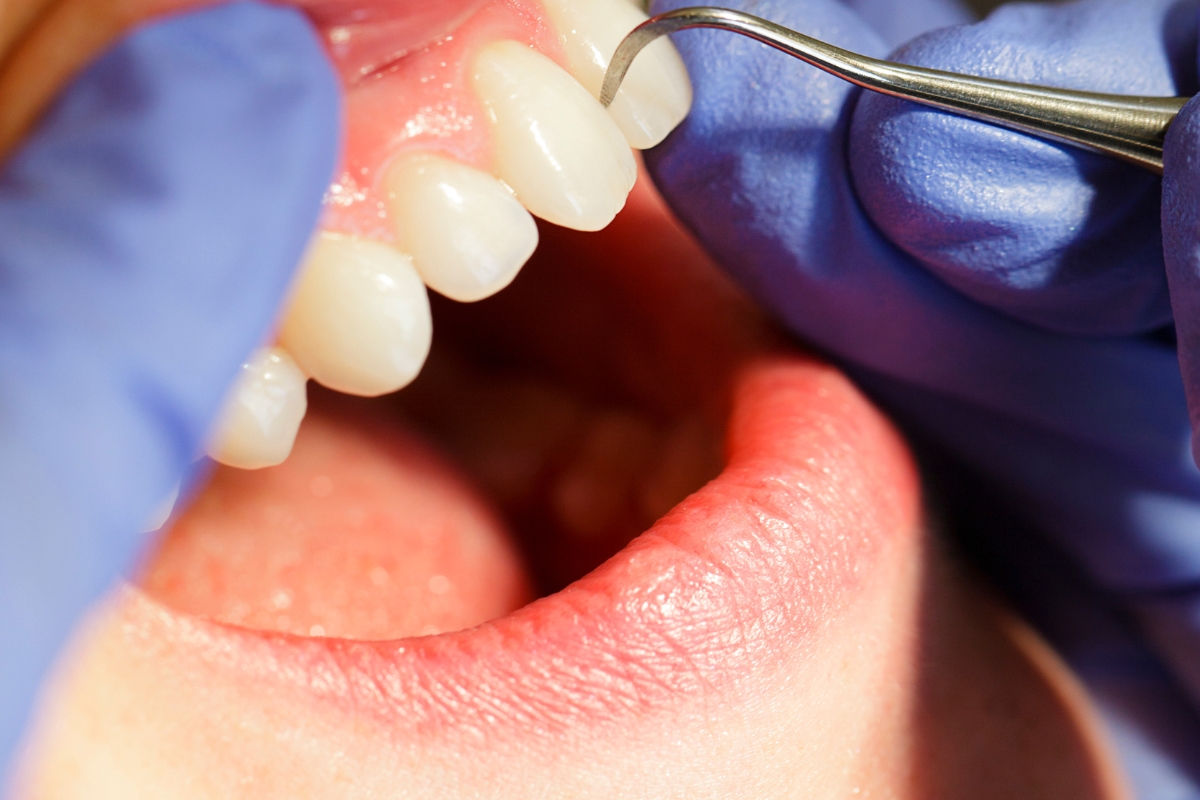
During a cleaning, your hygienist uses special tools to scrape away plaque and tartar buildup, particularly around the gumline, where gum disease starts. This reduces inflammation and helps prevent infection from developing.
2. Gum Pocket Monitoring
Dentists and dental hygienists measure the depth of the pockets between your gums and teeth using a small probe. Healthy pockets are typically 1–3 mm deep, while deeper pockets may indicate early signs of gum disease.
By monitoring these measurements at each cleaning, your dental team can detect changes early and recommend treatment before the condition worsens.
3. Polishing Teeth and Preventing Bacterial Reattachment
After plaque and tartar removal, your teeth are polished using a special paste. Polishing smooths the surface of your teeth, making it harder for plaque and bacteria to stick between cleanings. This not only improves the appearance of your smile but also helps keep your gums healthy.
4. Personalized Oral Hygiene Education
Every mouth is different. During a cleaning, your dental hygienist can point out areas you may be missing while brushing or flossing and offer tailored tips to improve your at-home care. They may also recommend products like electric toothbrushes, antimicrobial mouthwash, or water flossers to better manage plaque buildup and reduce gum inflammation.
5. Early Detection of Gum and Other Oral Issues
Regular cleanings are also an opportunity for your dentist to examine your mouth for early signs of gum disease, cavities, oral cancer, or other issues. Early detection means early treatment, which can save you time, discomfort, and money in the long run.
What Happens During a Dental Cleaning?
If it’s been a while since your last cleaning, you might be wondering what the process involves. A typical dental cleaning includes:
- Oral Examination: Your hygienist checks for signs of gum inflammation, bleeding, or other issues.
- Scaling: Specialized tools are used to remove plaque and tartar from your teeth and below the gumline.
- Polishing: Your teeth are polished to remove surface stains and smooth the enamel.
- Flossing: The hygienist flosses between your teeth to remove any remaining debris.
- Rinse and Fluoride (optional): Your mouth is rinsed, and a fluoride treatment may be applied to strengthen your enamel.
Cleanings are generally quick and painless, and they play a major role in maintaining healthy gums and preventing disease.
How Often Should You Get a Dental Cleaning?
For most people, dental cleanings are recommended every six months. However, if you have a history of gum disease or are at higher risk—due to smoking, diabetes, or genetic factors—your dentist may recommend more frequent visits (every 3–4 months).
Keeping up with regular cleanings helps remove harmful bacteria before they can cause lasting damage, reducing your risk of gum disease and protecting your overall health.
The Link Between Gum Health and Overall Wellness
Preventing gum disease isn’t just about your mouth—it can impact your entire body. Studies have shown a strong connection between periodontal disease and systemic conditions such as:
- Heart disease
- Stroke
- Type 2 diabetes
- Respiratory infections
- Pregnancy complications
By maintaining healthy gums through regular dental cleanings, you’re also taking an important step toward protecting your overall health and well-being.
Gum disease is common—but it’s also highly preventable. Regular dental cleanings are one of the most effective ways to protect your gums, remove harmful buildup, and catch early signs of problems before they become serious. Whether you’re trying to prevent gum disease or manage early gingivitis, your dentist and dental hygienist are your best allies in maintaining a healthy smile.
Don’t wait until you experience pain or bleeding—book an appointment now for your next dental cleaning and take the first step toward stronger gums and better oral health.