White Spots From Demineralization: What They Mean and How to Fix Them
Blog
White Spots From Demineralization: What They Mean and How to Fix Them
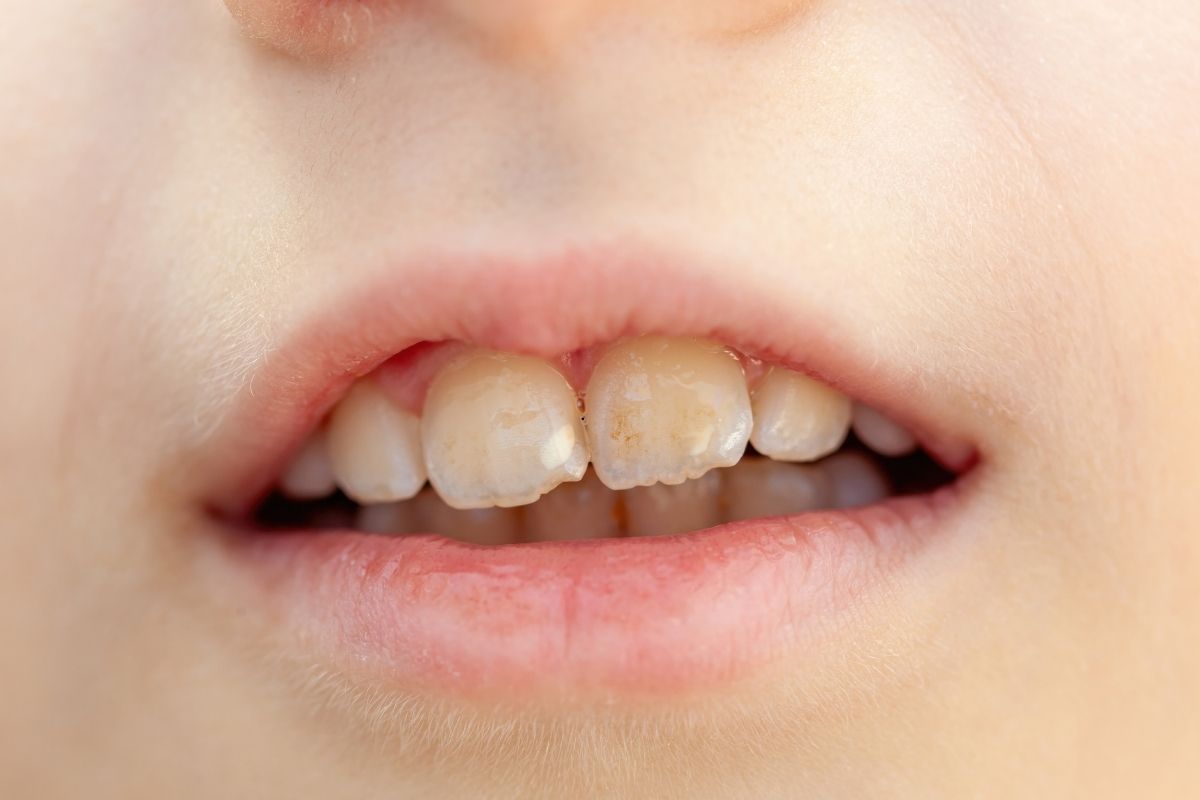
White spots on teeth are a common cosmetic concern, and in many cases, they indicate early enamel damage. These spots are often caused by a process called demineralization, where minerals such as calcium and phosphate are lost from the tooth enamel due to acid exposure. While these spots are not necessarily cavities yet, they can be an early warning sign of enamel weakening and, if untreated, may lead to decay. Understanding what white spots mean and how to address them is key to maintaining a healthy, confident smile.
If you notice white spots developing on your teeth, visiting a dental office in Oceanside can help identify the cause and guide treatment options. A dentist will evaluate the spots, determine whether they are due to demineralization, fluorosis, or other factors, and recommend the most effective approach for restoring enamel and improving the appearance of your teeth.
What Causes White Spots From Demineralization?
Demineralization occurs when the balance between mineral loss and replacement in your enamel is disrupted. The main causes include:
- Plaque buildup: Acid-producing bacteria in plaque attack the enamel, removing minerals and leaving chalky white spots.
- Poor oral hygiene: Irregular brushing and flossing allow plaque and tartar to accumulate, accelerating demineralization.
- Dietary acids: Frequent consumption of sugary or acidic foods and beverages can contribute to enamel erosion.
- Braces or orthodontic appliances: White spots can develop around brackets if teeth are not cleaned thoroughly.
- Fluoride imbalance: Too little fluoride weakens enamel, while excessive exposure during tooth development can cause fluorosis, which also appears as white spots.
Recognizing these risk factors early allows for preventive measures before permanent enamel damage occurs.
Signs That White Spots Need Attention
White spots may initially be subtle, but persistent or growing areas of discoloration are a signal to seek professional care. Common signs include:
- Chalky, opaque patches on the teeth
- Increased sensitivity to hot or cold foods
- Discoloration near braces or dental restorations
- Spots that do not fade with improved brushing or whitening treatments
If left untreated, demineralized areas can progress to cavities, making early intervention crucial.
How Dentists Treat White Spots From Demineralization
Dental professionals have several methods to restore enamel and minimize the appearance of white spots:
1. Fluoride Treatments
Topical fluoride strengthens enamel and can help remineralize early white spots. Professional fluoride varnishes or gels are more effective than over-the-counter toothpaste alone.
2. Resin Infiltration (Icon Treatment)
This minimally invasive technique uses a liquid resin to penetrate demineralized enamel, masking white spots and reinforcing weakened areas. It is particularly effective for spots caused by orthodontic appliances.
3. Microabrasion
Microabrasion gently removes a thin layer of enamel to reduce or eliminate white spots. This method works best on surface-level discoloration and is often combined with remineralization treatments.
4. Dental Bonding or Veneers
For severe or persistent white spots, cosmetic treatments such as bonding or veneers can restore an even tooth color and improve aesthetics. These options are considered when enamel repair alone cannot achieve the desired result.
5. Improved Oral Hygiene
Daily brushing with fluoride toothpaste, flossing, and regular dental cleanings prevent further demineralization. Limiting sugary and acidic foods also helps maintain enamel strength.
Preventing White Spots in the Future
Prevention is the most effective strategy. Patients can reduce the risk of demineralization by:
- Maintaining consistent oral hygiene routines
- Using fluoride toothpaste and mouth rinses
- Attending regular dental checkups every six months
- Wearing mouthguards during sports to avoid enamel trauma
- Following dietary guidelines to limit acidic and sugary foods
Early detection, combined with proper preventive care, ensures long-term enamel health and a bright, smooth smile.
Take Action Before It’s Too Late
White spots from demineralization are often reversible when caught early, but they can lead to permanent damage if ignored. Dentists can evaluate the severity of enamel loss, recommend the right treatment, and help prevent future spots from forming. Schedule an appointment today at 3377 Long Beach Rd # 1, Oceanside, NY 11572 to protect your smile and restore your teeth to their natural appearance.
FAQs
1. Can white spots on teeth go away on their own?
Mild white spots may improve with proper oral hygiene and fluoride treatments, but persistent spots usually require professional care to fully restore the enamel.
2. Are white spots the same as cavities?
No. White spots are early signs of enamel demineralization and do not indicate decay yet. However, if untreated, they can progress to cavities.
3. Is resin infiltration painful?
No, resin infiltration is a minimally invasive and painless procedure. It strengthens enamel and improves the appearance of white spots without drilling or anesthesia.