Is It a Cavity or Something More? How to Tell if Your Tooth Pain Is Serious

Blog
Is It a Cavity or Something More? How to Tell if Your Tooth Pain Is Serious
Tooth pain can start off as a dull ache or a sharp jolt, and it’s not something you should ignore. But how do you know if that discomfort is simply a cavity—or a sign of something more serious?
Cavities are among the most common causes of toothaches, but tooth pain can also indicate infections, cracked teeth, gum disease, or even issues related to your jaw or sinuses. Early diagnosis is crucial, as waiting too long can lead to more complicated and costly dental procedures.
In this blog, we’ll help you understand the difference between a basic cavity and more serious dental conditions, outline the symptoms you should watch for, and explain when it’s time to seek professional help.
What Is a Cavity?
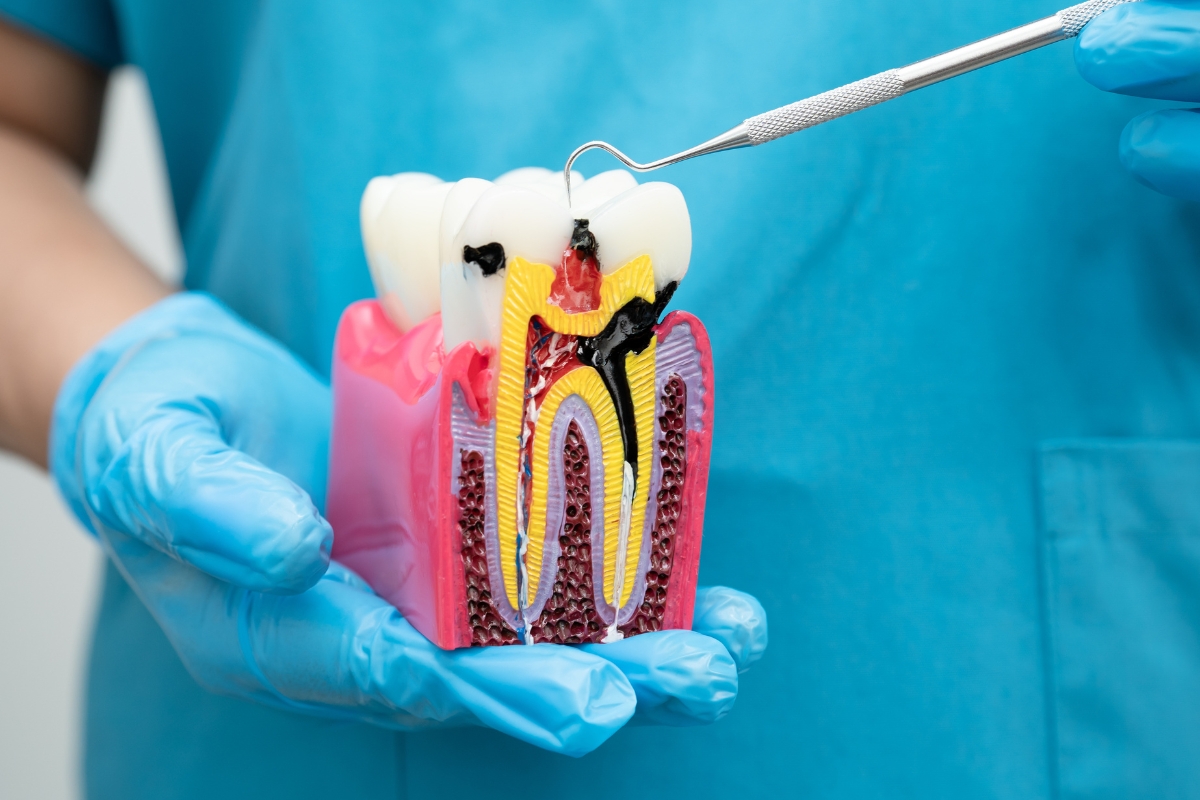
A cavity is a hole in the tooth caused by tooth decay. It starts when plaque—a sticky film of bacteria—breaks down sugars and produces acid that wears away your enamel (the tooth’s hard outer layer). If left untreated, cavities can grow larger and affect deeper layers of the tooth, causing pain, sensitivity, and infection.
Common symptoms of a cavity include:
- A dull or sharp toothache, especially when eating or drinking
- Sensitivity to hot, cold, or sweet foods
- Visible holes or pits in the tooth
- Discoloration (white, brown, or black spots on the tooth)
- Mild discomfort that comes and goes
If caught early, cavities can often be treated with a simple dental filling, preventing the need for more invasive treatments.
When Tooth Pain Is More Than a Cavity
Tooth pain that intensifies, spreads, or is accompanied by other symptoms could mean there’s a more serious issue at play. Here are some red flags that your tooth pain may require urgent dental attention:
1. Persistent or Throbbing Pain
A cavity typically causes pain when eating or drinking, but if you’re experiencing constant or throbbing pain, it could be a sign of:
- Tooth abscess: A pocket of pus caused by a bacterial infection inside the tooth or gum.
- Pulpitis: Inflammation of the tooth’s pulp (the innermost layer containing nerves and blood vessels), often due to deep decay or trauma.
Both conditions usually require root canal therapy or, in severe cases, tooth extraction.
2. Swelling in the Gums or Face
Facial or gum swelling that occurs with a toothache could signal a spreading infection. This is a dental emergency and should be treated immediately to avoid complications like sepsis or bone loss.
3. Pain When Biting or Chewing
If it hurts when you bite down, you may be dealing with more than a cavity. Possible issues include:
- Cracked tooth: A fracture that may not be visible but causes sharp pain when pressure is applied.
- Loose filling or crown: If a previous restoration becomes loose or falls out, the exposed tooth may be painful.
- Dental trauma: Recent injuries can damage the tooth’s internal structures.
4. Tooth Sensitivity That Lingers
Cavities often cause brief sensitivity, but prolonged or severe sensitivity could be a sign of:
- Enamel erosion
- Gum recession
- Exposed dentin
- Nerve damage
If sensitivity doesn’t improve with toothpaste for sensitive teeth, consult your dentist.
5. Bad Taste or Smell in Your Mouth
A persistent bad taste or foul odor in the mouth could indicate tooth infection or decay beneath a crown or filling. It may also point to gum disease or food particles trapped between teeth.
6. Fever or General Malaise
Fever, swollen lymph nodes, or a feeling of being unwell, combined with tooth pain, could be symptoms of a systemic infection originating from an abscessed tooth. This is a medical emergency that requires immediate care.
Tooth Pain vs. Non-Dental Causes
Interestingly, not all toothaches are rooted in dental problems. Other causes of tooth pain include:
- Sinus infections: Pressure in the maxillary sinuses can cause discomfort in the upper molars.
- Temporomandibular Joint Disorder (TMJ/TMD): Jaw joint issues can lead to radiating pain in teeth and face.
- Bruxism (teeth grinding): Often occurs during sleep and leads to sore teeth and jaw muscles.
- Referred pain from ear or nerve problems
If your dentist can’t find a dental cause for your pain, they may refer you to a specialist for further evaluation.
When to See a Dentist
You should never ignore tooth pain, even if it seems mild. Minor cavities can progress into more serious problems if left untreated. Seek dental care if you experience:
- Toothache lasting more than 24–48 hours
- Severe or throbbing pain
- Pain with swelling, fever, or discharge
- Difficulty eating, speaking, or opening your mouth
- Visible damage or dark spots on your teeth
The sooner you get a diagnosis, the more likely you are to avoid complex treatments like root canals, crowns, or extractions.
What to Expect at the Dentist
When you visit your dentist with tooth pain, here’s what typically happens:
- Oral exam to check for visible signs of cavities, cracks, or gum issues.
- X-rays to detect problems below the surface, such as abscesses or bone loss.
- Diagnosis and a personalized treatment plan based on the severity of the issue.
Treatment options may include:
- Fillings for early-stage cavities
- Root canal therapy for infections or nerve damage
- Crowns for structural reinforcement
- Antibiotics for infections
- Extraction if the tooth is beyond saving
Tips to Prevent Tooth Pain and Cavities
The best way to prevent cavities and serious dental issues is through regular oral care and preventive checkups:
- Brush your teeth twice a day with fluoride toothpaste.
- Floss daily to remove plaque between teeth.
- Limit sugary foods and acidic drinks.
- Stay hydrated to promote saliva flow.
- Visit your dentist every six months for cleanings and exams.
Early detection is your best defense against worsening tooth problems.
Tooth pain should never be ignored. While many cases are due to simple cavities, other causes like infections, fractures, or gum disease can pose a serious risk to your oral and overall health. If you’re experiencing persistent or worsening tooth discomfort, it’s essential to find out the root cause and get professional treatment.
Still wondering, “Is it a cavity or something more?” Don’t wait and hope the pain will go away. Schedule a dental exam today to get the relief you need and prevent complications tomorrow.