How Laser Dentistry Helps with Treating Gum Disease in Oceanside
Blog
How Laser Dentistry Helps with Treating Gum Disease in Oceanside
Gum disease, also known as periodontal disease, is a common but serious condition that can lead to tooth loss and other health complications if left untreated. Traditional treatments often involve invasive procedures that can be uncomfortable and require a lengthy recovery. However, advancements in dental technology have introduced laser dentistry as a more effective and less invasive option. laser dentistry is transforming the way gum disease is treated, offering patients a comfortable and efficient solution.
Understanding Gum Disease
Gum disease, also known as periodontal disease, is an infection that affects the tissues surrounding and supporting your teeth. It usually results from inadequate oral hygiene, leading to the accumulation of plaque-a sticky bacterial film that hardens on the teeth. In its early stage, known as gingivitis, the gums become red, swollen, and may bleed. If left untreated, gingivitis can progress to periodontitis, a more severe form of gum disease that can damage the gums and bone supporting the teeth.
Traditional Treatments for Gum Disease
Traditional treatments for gum disease include:
- Scaling and Root Planing:
- A deep-cleaning method that removes plaque and tartar from above and below the gum line.
- Surgical Procedures:
- Flap surgery, where the gums are lifted back to remove tartar.
- Bone and tissue grafts to regenerate damaged areas.
- Antibiotics:
- Medications to reduce bacterial infection.
While these treatments are effective, they can be invasive, painful, and require significant recovery time.
How Laser Dentistry Works
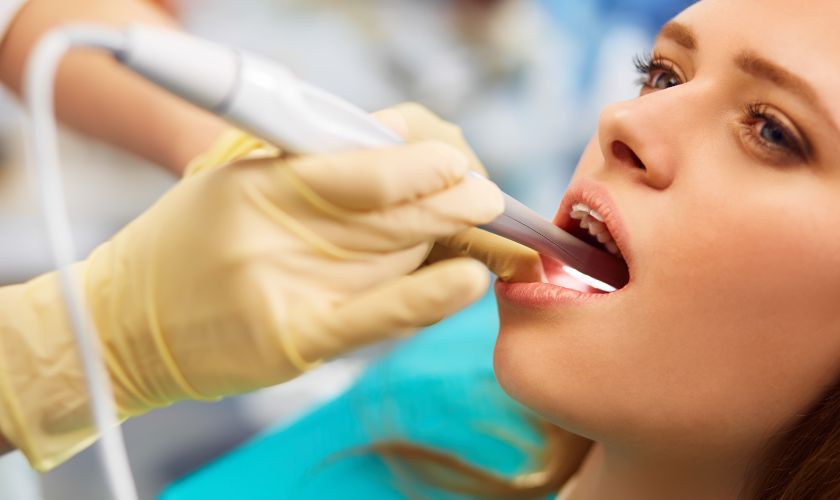
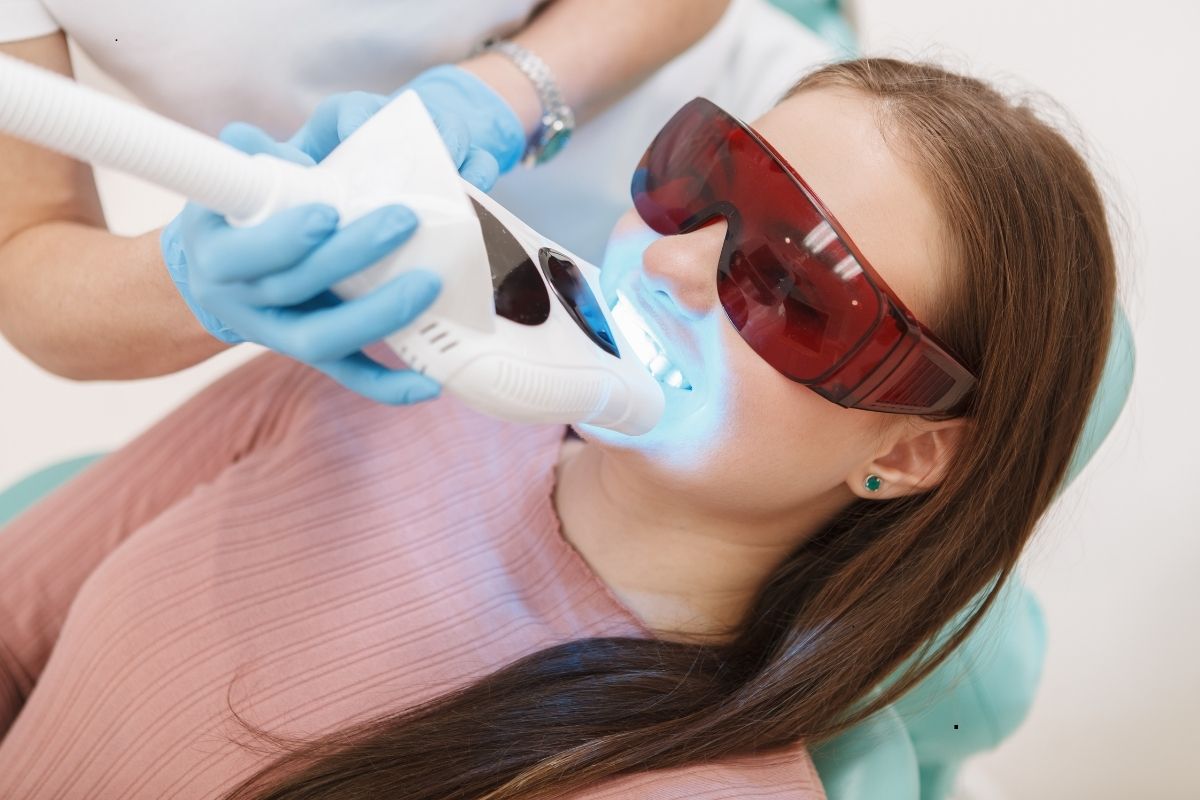
Laser dentistry uses focused light energy to treat gum disease. The laser targets the infected area with precision, removing diseased tissue and killing harmful bacteria without affecting the surrounding healthy tissue. The laser also promotes the reattachment of gums to the teeth and encourages the regeneration of bone and connective tissues.
Benefits of Laser Dentistry for Treating Gum Disease
- Minimally Invasive:
- Laser treatments are less invasive than traditional methods. They reduce the need for cutting and suturing, which means less pain and discomfort for the patient.
- Precision:
- The laser targets only the diseased tissue, preserving as much healthy tissue as possible. This precision leads to better outcomes and faster healing.
- Reduced Bleeding and Swelling:
- The laser cauterizes as it works, reducing bleeding and swelling during and after the procedure. This enhances patient comfort and minimizes the likelihood of complications.
- Faster Recovery:
- Patients experience quicker healing times compared to traditional surgery. Many can return to their normal activities shortly after the procedure.
- Effective Bacterial Elimination:
- The laser’s antibacterial properties help to eliminate bacteria from the gums, reducing the risk of reinfection and promoting better oral health.
- Stimulation of Tissue Regeneration:
- Laser treatments can stimulate the growth of new bone and gum tissue, aiding in the natural healing process and improving overall gum health.
The Laser Treatment Process for Gum Disease
- Consultation and Diagnosis:
- Your dentist in Oceanside will first perform a thorough examination to diagnose the extent of gum disease and determine if laser treatment is appropriate for you.
- Preparation:
- Before the procedure, the dentist will clean your teeth to remove any plaque and tartar.
- Laser Treatment:
- The laser is used to remove infected gum tissue and bacteria. The dentist will also use the laser to smooth out any rough spots on the tooth root, helping the gums to reattach to the teeth.
- Post-Treatment Care:
- After the procedure, your dentist will provide instructions for at-home care to ensure proper healing. This may include using special mouth rinses and maintaining good oral hygiene practices.
Success Stories: Laser Dentistry in Oceanside
Many patients in Oceanside have experienced the benefits of laser dentistry for treating gum disease. They report minimal discomfort during and after the procedure, faster recovery times, and improved gum health. By opting for laser treatments, patients can preserve their natural teeth and avoid more invasive surgical options.
Conclusion
Laser dentistry offers a revolutionary approach to treating gum disease in Oceanside. Its minimally invasive nature, precision, and effectiveness make it an excellent choice for patients seeking a comfortable and efficient solution. If you are struggling with gum disease, consult with Oceanside Family Dental to learn more about how laser dentistry can help you achieve better oral health and a brighter smile.