Does Teeth Whitening Work on All Types of Stains?
Blog
Does Teeth Whitening Work on All Types of Stains?
Teeth whitening is a popular solution for brightening smiles, but not all stains respond to whitening treatments the same way. Different types of stains—such as those caused by food, age, or medication—may require varying approaches to achieve the best results. If you’re considering teeth whitening, consulting a skilled dentist can help you understand what to expect based on your unique needs. Here’s a closer look at the types of stains and how effective teeth whitening can be for each.
Types of Tooth Stains
Tooth stains generally fall into two categories: extrinsic and intrinsic stains. Let’s break down each type:
Extrinsic Stains
- What They Are: These are surface stains that occur on the outer layer (enamel) of your teeth. Common causes include foods, drinks, smoking, and daily wear and tear.
- Common Culprits: Coffee, tea, red wine, and tobacco are major contributors to extrinsic stains.
- How Whitening Helps: Extrinsic stains respond well to teeth whitening treatments, as they are primarily on the surface. Professional whitening with a dentist typically provides more effective and longer-lasting results for extrinsic stains than over-the-counter products.
Intrinsic Stains
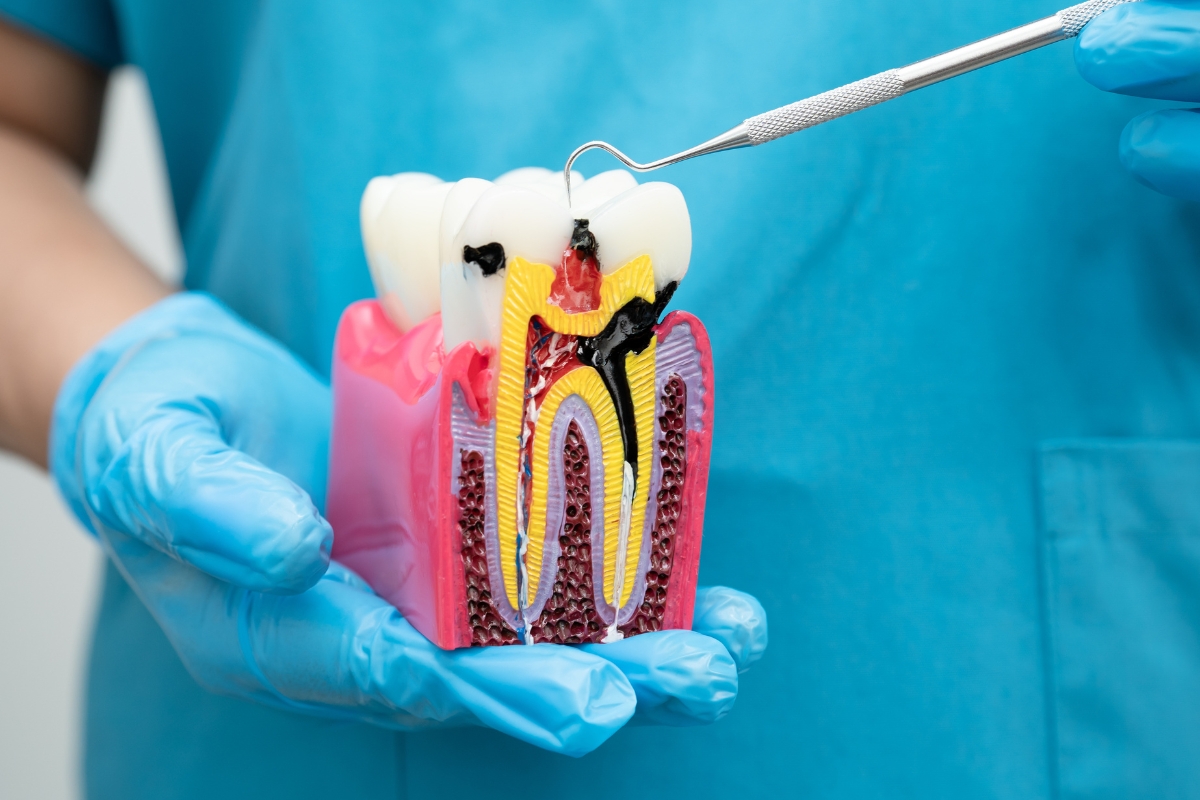
- What They Are: Intrinsic stains are deeper, affecting the inner layer (dentin) of your teeth. These stains are often caused by factors beyond surface exposure.
- Common Causes: Aging, certain medications (like tetracycline), fluoride exposure, or trauma can lead to intrinsic stains.
- How Whitening Helps: Intrinsic stains can be more challenging to treat with traditional whitening. Some intrinsic stains may only partially lighten, while others may not respond well to whitening at all. A consultation with a dentist can provide guidance on alternative treatments if whitening isn’t fully effective.
How Different Whitening Methods Work on Stains
There are various teeth whitening methods, each with its strengths and limitations. Here’s how these methods typically work on different types of stains:
- In-Office Professional Whitening
- Best For: Extrinsic stains and some intrinsic stains.
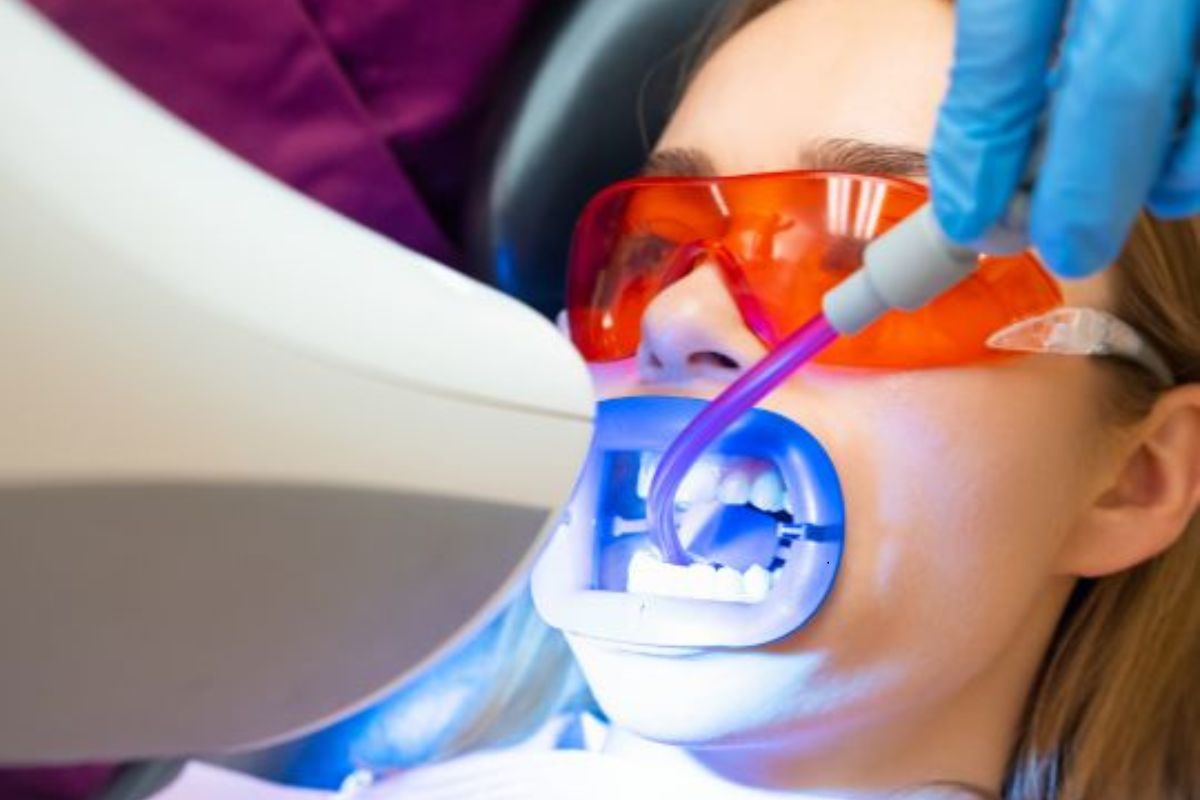
- Effectiveness: Professional whitening, such as laser whitening or gel applications, offers powerful, targeted treatment. Dentists use stronger whitening agents than at-home kits, allowing for deeper penetration that can help with some intrinsic stains.
- Benefits: Quick results with fewer treatments, and better effectiveness against tough stains. A Dentist will also ensure your teeth and gums are protected during the procedure.
- At-Home Whitening Kits
- Best For: Minor to moderate extrinsic stains.
- Effectiveness: At-home kits can help with lighter extrinsic stains but may not work as well on intrinsic stains. Although they are a convenient option, they typically don’t have the strength of in-office treatments.
- Benefits: A cost-effective solution for maintaining a bright smile, especially when combined with regular professional cleanings.
- Whitening Toothpastes and Over-the-Counter Products
- Best For: Surface-level extrinsic stains.
- Effectiveness: Whitening toothpastes and strips can help remove new surface stains but often lack the strength needed for deep whitening.
- Benefits: Good for maintenance between professional treatments but limited in addressing deeper or more severe stains.
When Teeth Whitening May Not Be Effective
Certain conditions or types of discoloration may not respond well to whitening treatments. Some examples include:
- Tetracycline Stains: These intrinsic stains are often resistant to whitening and may require alternative treatments like veneers.
- Gray or Blue Discoloration: Teeth with gray or blue undertones may not respond as effectively to whitening as those with yellow or brown stains.
- Extensive Tooth Trauma or Decay: In some cases, damaged teeth may not whiten evenly and may require restorative treatments before whitening.
If you have any of these types of stains, your dentist can help you explore alternative cosmetic options such as dental bonding or porcelain veneers.
Alternatives to Teeth Whitening for Stubborn Stains
For patients with stains that don’t respond to traditional whitening, there are other cosmetic options that can still provide a brighter smile:
- Dental Bonding: Bonding involves applying a tooth-colored resin to cover stains and improve the tooth’s appearance. This option is typically effective for mild intrinsic stains.
- Porcelain Veneers: Veneers are thin shells that cover the front of the teeth, providing a fresh, uniform appearance. Veneers are often recommended for severe intrinsic stains, as they can fully mask discoloration.
- Crowns: For teeth with significant damage or deep stains, crowns offer full coverage and can restore both function and appearance.
Tips for Maintaining a Whiter Smile
After whitening or other cosmetic treatments, keeping your teeth bright and stain-free requires some upkeep:
- Avoid Stain-Causing Foods and Drinks: Minimize or rinse after consuming coffee, tea, wine, and other dark-colored beverages.
- Practice Good Oral Hygiene: Brushing twice a day and flossing daily helps prevent plaque buildup and staining.
- Schedule Regular Cleanings: Professional cleanings with your Dentist Oceanside help remove surface stains and keep your smile fresh.
Final Thoughts
Teeth whitening can effectively brighten your smile, but understanding the type of stain you’re dealing with is key to setting realistic expectations. While most extrinsic stains respond well to whitening treatments, intrinsic stains may require additional cosmetic options for the best results. Consulting with Oceanside Family Dental can help you choose the right approach to achieve your ideal smile.
If you’re interested in whitening or other options for a brighter smile, schedule an appointment to discuss your goals and explore the best treatments for you.