How Dentists Detect and Treat Early Tooth Decay Before It Gets Worse
Blog
How Dentists Detect and Treat Early Tooth Decay Before It Gets Worse
Early tooth decay can develop quietly, often without pain or obvious symptoms. By the time you notice discomfort, the cavity may already be advanced. That’s why early detection through routine dental visits is essential. At Oceanside Family Dental, advanced diagnostic tools and preventive treatments make it possible to stop decay before it becomes painful, expensive, or damaging to your oral health.
In this blog, you’ll learn how dentists identify the earliest signs of tooth decay and what treatments they use to restore your smile before the problem gets worse.
How Tooth Decay Begins
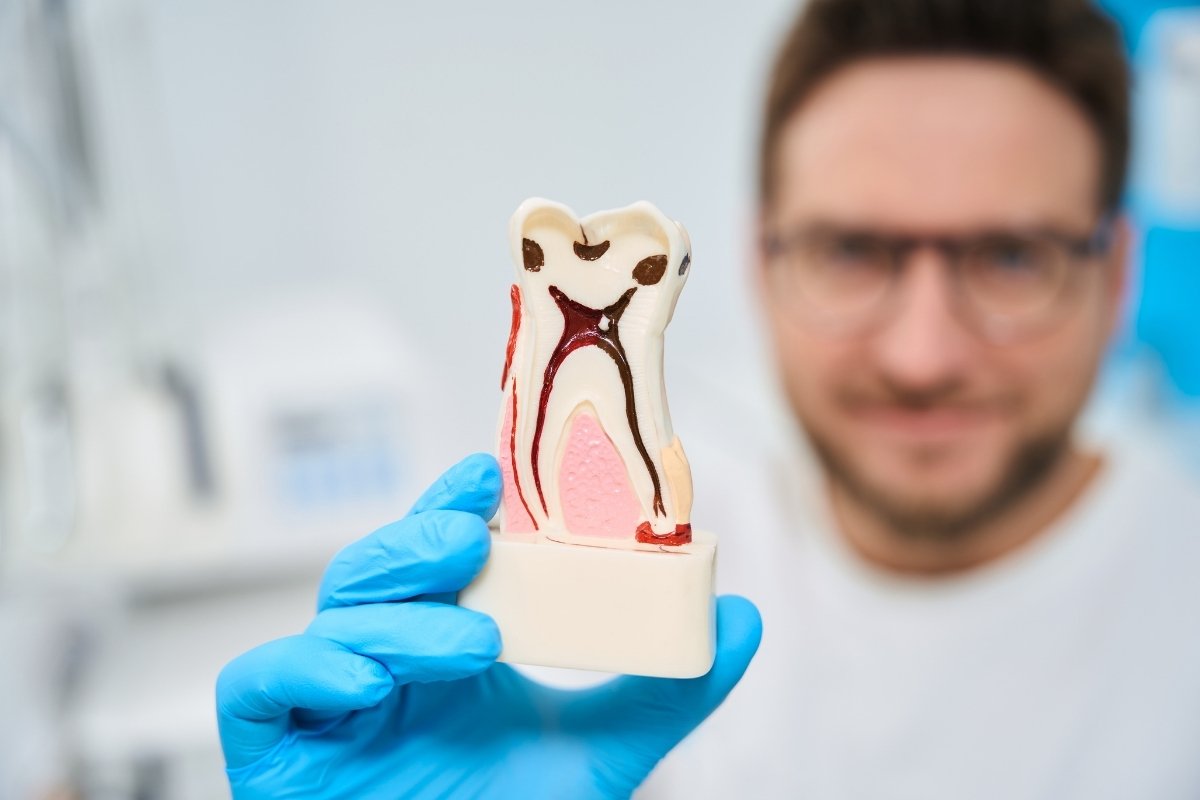
Tooth decay starts when plaque—a sticky layer of bacteria—builds up on teeth and produces acids that weaken enamel. Over time, this leads to demineralization, tiny pits, and eventually cavities. Early decay is often completely painless, which is why many people don’t realize there’s a problem until the tooth becomes sensitive or infected.
Dentists use specialized tools and techniques to catch decay during its earliest stages, long before symptoms appear.
How Dentists Detect Early Tooth Decay
1. Comprehensive Visual Examination
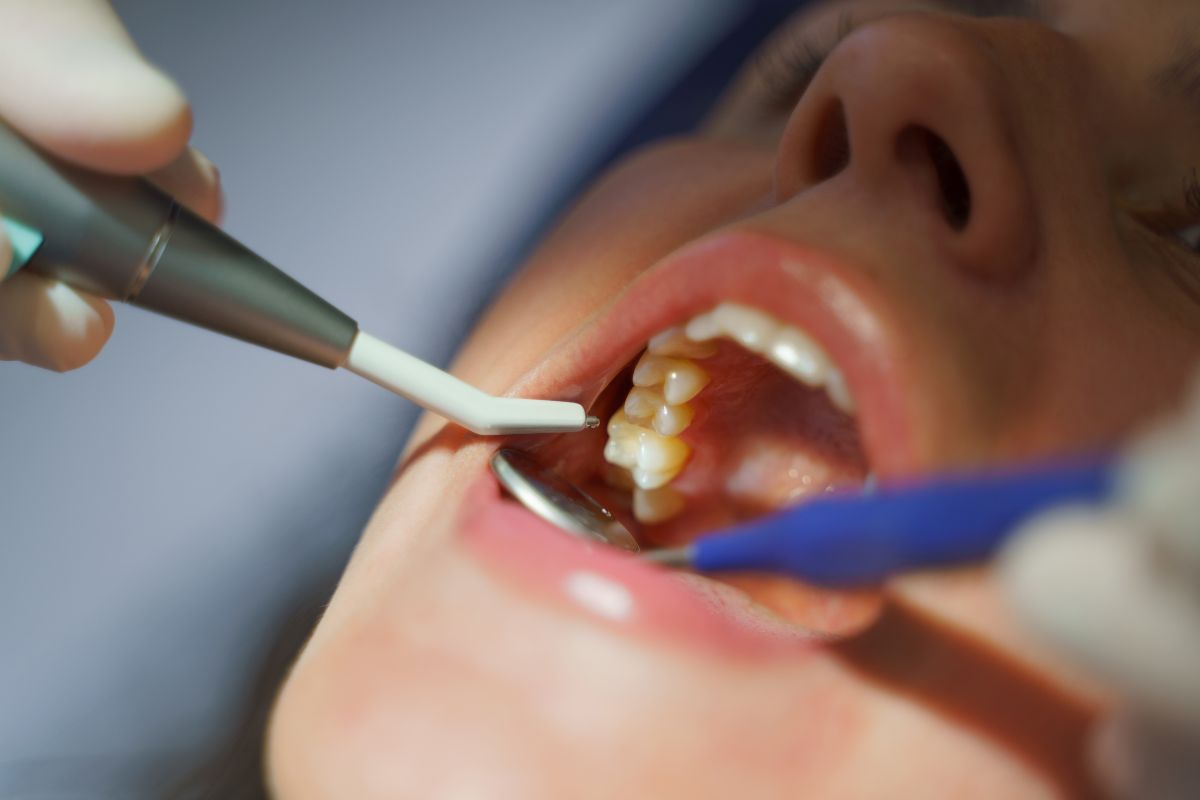
During a routine dental checkup, your dentist examines each tooth using a small mirror and dental instruments. They look for:
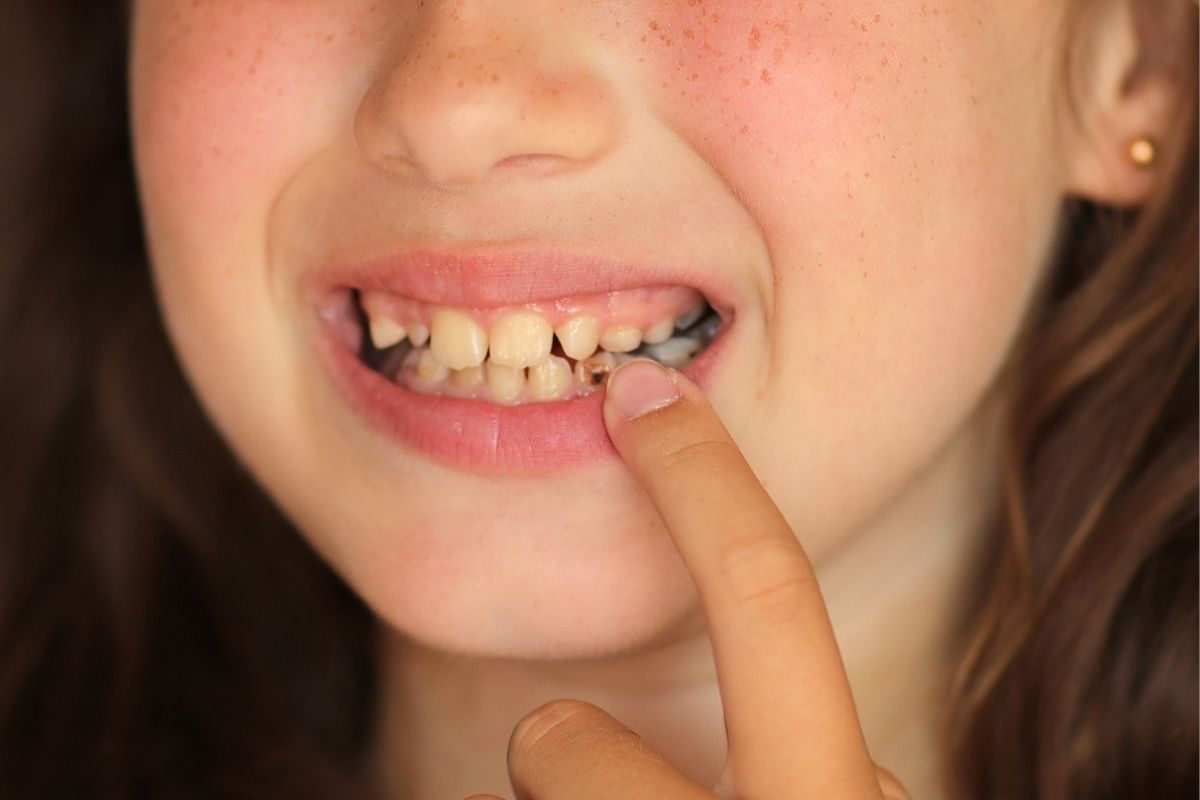
- Chalky white spots (early enamel demineralization)
- Minor cracks or pits
- Darkening under the enamel
- Early gum inflammation that may contribute to decay
Even subtle discolorations can signal the beginning of tooth decay.
2. Digital X-Rays for Hidden Problems
Digital X-rays are one of the most powerful tools for detecting decay that the naked eye can’t see—especially cavities between teeth or under old fillings. X-rays show:
- Early lesions within the enamel
- Decay spreads toward the dentin
- Bone structure changes
- Hidden infection
Modern digital X-rays use very low radiation while providing highly detailed images.
3. Laser Cavity Detection Tools
Some dental offices use laser-based cavity detection devices. These tools measure fluorescence levels in teeth to identify weakened enamel. They can detect decay much earlier than traditional methods and are completely painless.
4. Probing for Softened Enamel
Using a dental explorer, your dentist gently checks the surface of each tooth. Soft spots or areas where the instrument “catches” often indicate the beginning stages of decay.
Early Tooth Decay Treatment Options
The good news? When caught early, tooth decay is highly treatable—and often reversible.
1. Fluoride Treatments
Fluoride helps remineralize weakened enamel and can reverse early-stage decay (known as incipient lesions). This is one of the simplest and most effective treatments.
2. Dental Sealants
Sealants create a protective layer over the grooves and pits of back teeth. They block bacteria and food from accumulating and stop decay before it progresses.
3. Minimally Invasive Tooth-Colored Fillings
If decay has progressed beyond demineralization, your dentist will remove the damaged portion and restore the tooth with a composite resin filling. These fillings match your natural tooth color and restore strength and function.
4. Inlays, Onlays, or Crowns
When decay is too large for a simple filling, your dentist may recommend a custom restoration that strengthens the tooth while keeping as much natural structure as possible.
5. Gum Disease Control
Since gum health directly affects decay risk, dentists also treat early gum inflammation through professional cleanings, scaling, and improved oral hygiene guidance.
Why Early Detection Matters
Catching tooth decay early can:
- Prevent painful infections
- Reduce the need for root canals or crowns
- Save money on future restorative treatments
- Protect your long-term oral health
Regular checkups every six months are the most effective way to ensure early detection and lasting dental wellness.
Prevent tooth decay before it turns into a bigger problem. If you’re experiencing tooth sensitivity or it’s been a while since your last checkup, now is the perfect time to take action.
Book an appointment today at 3377 Long Beach Rd # 1, Oceanside, NY 11572 to protect your smile and stay ahead of oral health issues.
FAQs
1. Can early tooth decay heal on its own?
Yes—if caught during the earliest stages, remineralization using fluoride treatments and improved oral hygiene can reverse early decay.
2. How often should I visit the dentist for early decay detection?
Most people should visit every six months, though your dentist may recommend more frequent checkups based on your oral health needs.
3. What symptoms indicate early tooth decay?
Early decay often has no symptoms. But mild sensitivity to sweets, cold, or pressure may indicate developing cavities. Regular exams are the best protection.