How Dentists Treat Cracked Teeth Without Removing the Tooth
Blog
How Dentists Treat Cracked Teeth Without Removing the Tooth
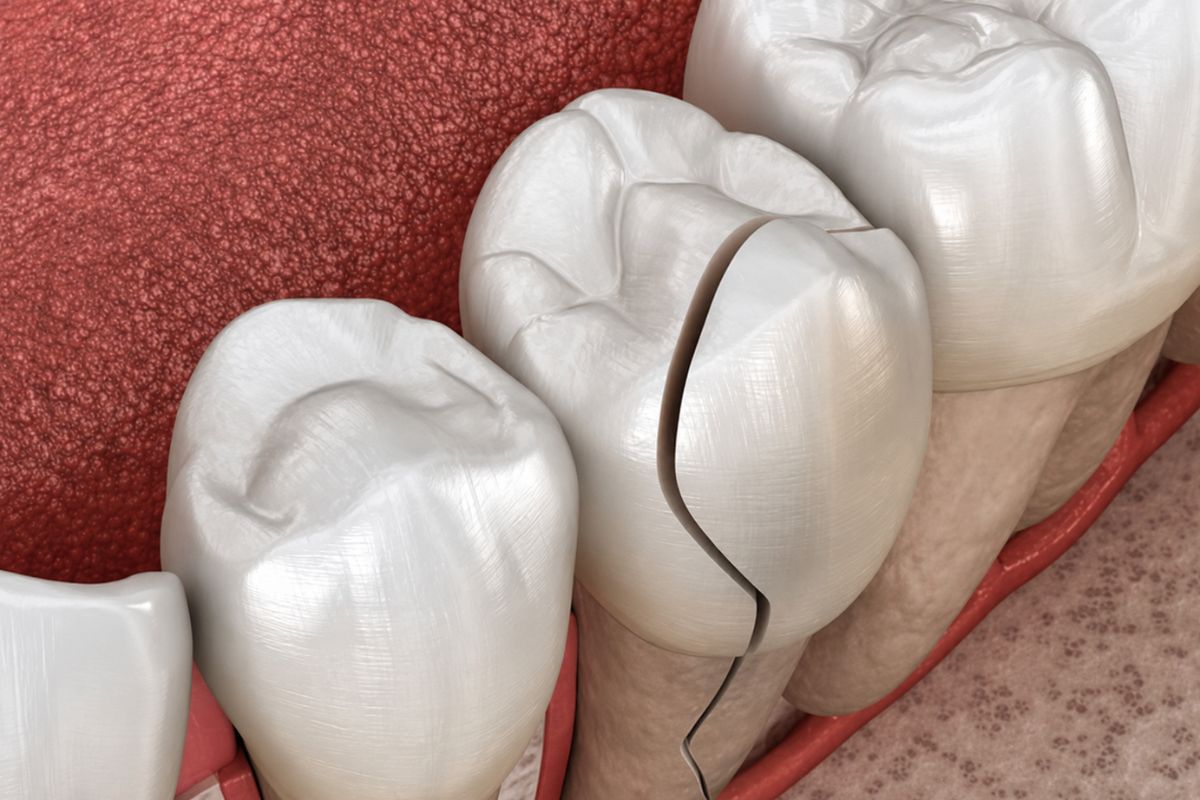
A cracked tooth can be scary. One bite into something hard and you feel a quick, sharp jolt of pain, and then it is gone. Many people assume this means the tooth is doomed and that an extraction is the only answer. The good news is that this is rarely true. At Oceanside Family Dental in Oceanside, most cracked teeth can be saved with the right treatment plan, modern techniques, and early intervention.
If you are dealing with tooth pain when chewing or sudden sensitivity to hot and cold, this guide walks you through why teeth crack, how dentists diagnose the problem, and the treatment options that can protect your natural tooth for years to come.
Why Teeth Crack in the First Place
Cracked teeth are becoming more common, largely because people are keeping their natural teeth longer than previous generations. A tooth that lasts decades goes through a lot of wear and tear. Several everyday habits and situations can lead to a crack, including:
- Biting down on hard foods like ice, nuts, or hard candy
- Grinding or clenching your teeth, often during sleep
- A blow to the face or mouth from a fall or sports injury
- Large fillings that weaken the remaining natural tooth structure
- Age-related wear, since enamel naturally becomes more brittle over time
- Sudden temperature changes, such as eating something hot and then drinking ice water
Once a crack begins, it does not always cause constant pain. In fact, many cracked teeth only hurt when you bite down or when the crack is exposed to hot and cold. When you release the pressure, the crack can close back up, and the pain fades. This on-again, off-again pain pattern is actually one of the clearest signs of a cracked tooth, and it is often mistaken for a minor, passing issue rather than something that needs attention.
Why You Should Not Ignore a Cracked Tooth
Even when the pain comes and goes, a cracked tooth will not heal on its own. Every time you bite down, the crack can widen slightly. Over time, this allows bacteria to reach the inner pulp of the tooth, where the nerves and blood vessels live. Once the pulp becomes irritated or infected, the pain usually becomes constant instead of occasional, and the risk of infection spreading into the surrounding bone and gum tissue increases.
The earlier a cracked tooth is diagnosed, the more treatment options are available, and the more likely it is that the tooth can be preserved. This is why our team encourages patients in Oceanside to schedule an evaluation as soon as they notice any unusual sensitivity or discomfort while chewing.
How Dentists Diagnose a Cracked Tooth
Cracks are not always visible to the naked eye, which is why diagnosis relies on a combination of tools and techniques. During an exam for cracked teeth repair in Oceanside, your dentist may:
- Ask about your symptoms, including when the pain occurs and how long it lasts
- Examine the tooth visually, sometimes using a magnifying tool or dye to highlight the crack
- Use a bite test, where you bite down on a small instrument to help pinpoint the exact tooth
- Take digital X-rays or scans to check for damage below the gum line or in the roots
- Check the surrounding gum tissue for signs of swelling or infection
Modern digital scanning technology allows dentists to see fine details that older imaging methods could miss, which leads to a more accurate diagnosis and a more precise treatment plan.
Treatment Options That Save the Natural Tooth
Once a crack is confirmed, the treatment approach depends on the size, location, and depth of the crack. Here are the most common ways dentists treat cracked teeth without removing them.
Dental Bonding
For minor cracks that have not reached the inner pulp, a tooth colored resin can be applied to seal the crack, restore the tooth’s shape, and protect it from further damage. Bonding is a conservative option that can often be completed in a single visit.
Dental Crowns
When a crack is more significant, a custom crown is often the most reliable solution. The crown covers the entire visible portion of the tooth, holding the cracked pieces together and shielding the tooth from the daily pressure of biting and chewing. This is one of the most common and dependable treatments for a cracked tooth that has weakened but is still structurally sound.
Root Canal Therapy
If the crack has extended down into the pulp, the tooth may become infected or inflamed. In these cases, a root canal removes the damaged tissue inside the tooth, cleans out the bacteria, and seals the space to stop the infection from spreading. A crown is typically placed afterward to protect the tooth and restore full chewing function. Root canal therapy has a reputation for being uncomfortable, but with today’s techniques, most patients report that the procedure feels similar to getting a routine filling.
Inlays and Onlays
For cracks that involve a moderate portion of the tooth but do not require a full crown, an inlay or onlay can offer a more conservative alternative. These restorations are custom-made to fit the exact shape of the damaged area, preserving as much natural tooth as possible while still providing lasting strength.
What Happens If a Tooth Cannot Be Saved
In rare cases, when a crack extends below the gum line or splits the root of the tooth, extraction may be the only safe option. Even then, your dentist will walk you through replacement options such as a dental implant or bridge, so your smile and bite function are fully restored. Extraction is always considered a last resort, and our team will always explore every possible way to save your natural tooth first.
Why Early Treatment Matters So Much
Think of a cracked tooth the way you would think of a small chip in a car windshield. Left alone, it slowly spreads until the entire windshield needs to be replaced. Addressed early, a simple repair keeps the damage from getting worse. The same logic applies to your teeth. A crack caught early might only need bonding. The same crack, left untreated for months, could progress to needing a root canal or, in the worst cases, an extraction.
If you have noticed any of the following, it is time to schedule an exam:
- Pain when biting down that comes and goes
- Sudden sensitivity to hot, cold, or sweet foods
- A visible line or chip on a tooth
- Discomfort that seems to move around your mouth, making it hard to pinpoint one tooth
Trusted Treatment of Cracked Teeth in Oceanside
At Oceanside Family Dental, Dr. Melissa Rosenfeld and our team have been caring for the Oceanside community. We combine advanced digital scanning technology with a gentle, conservative approach to dentistry, which means we always look for the most tooth-preserving option before considering anything more invasive. Our goal is to protect your natural smile whenever possible, while keeping every visit comfortable and stress-free.
We welcome new patients and dental emergencies alike. If you are experiencing pain when you chew, sensitivity that will not go away, or you suspect you may have a cracked tooth, do not wait for the discomfort to become constant. Reach out to Oceanside Family Dental today to schedule your evaluation for cracked teeth repair in Oceanside and take the first step toward lasting relief and a healthy, confident smile.