Warning Signs of Periodontal Disease: What Deep Gum Pockets and Bleeding Gums Really Mean

Blog
Warning Signs of Periodontal Disease: What Deep Gum Pockets and Bleeding Gums Really Mean
Healthy gums are the foundation of a healthy smile—but gum disease often develops quietly. Many people don’t realize there is a problem until it has already progressed into a more serious stage. Two of the earliest and most important warning signs of periodontal disease are bleeding gums and deep gum pockets. These symptoms are not just minor dental issues—they are signals that your oral health may be at risk.
At Oceanside Family Dental, we help patients identify and treat periodontal disease early to prevent tooth loss, bone damage, and long-term complications. Understanding what these signs mean can help you take action before it becomes a serious dental emergency.
What Is Periodontal Disease?
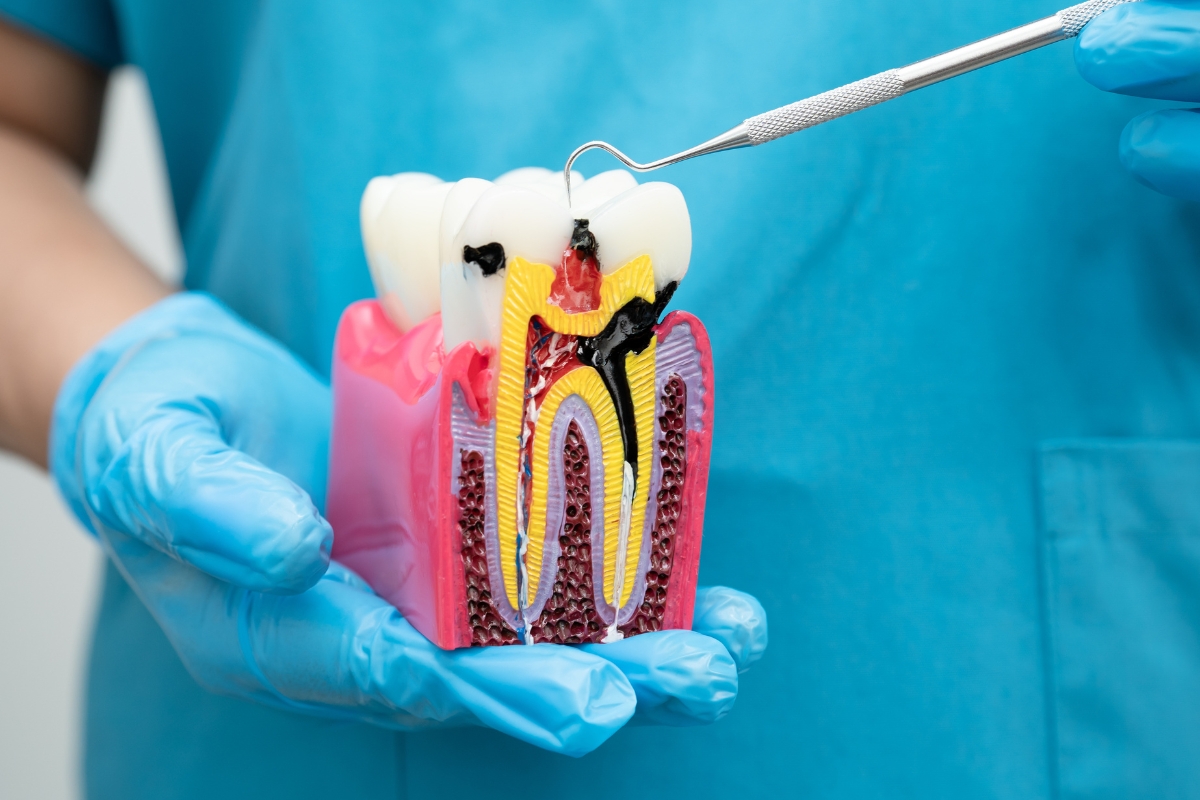
Periodontal disease (also called gum disease) is a progressive infection of the gums and supporting structures of the teeth. It typically begins as gingivitis and can advance into periodontitis if left untreated.
- Gingivitis: Early stage, reversible inflammation of the gums
- Periodontitis: Advanced stage, involving gum recession, bone loss, and deep pockets around teeth
The condition is primarily caused by plaque buildup—a sticky film of bacteria that forms on teeth. When plaque is not removed through proper brushing, flossing, and professional cleanings, it hardens into tartar and begins damaging gum tissue.
Warning Sign #1: Bleeding Gums
One of the most overlooked symptoms of gum disease is bleeding gums, especially during brushing or flossing. Many people assume this is normal—but it is not.
What Bleeding Gums Really Mean
Bleeding gums are usually a sign of inflammation caused by bacterial infection. Healthy gums do not bleed easily. If your gums bleed regularly, it may indicate:
- Early-stage gingivitis
- Plaque buildup along the gumline
- Improper brushing or flossing habits
- Hormonal changes (pregnancy, menopause)
- Smoking or tobacco use
- Underlying periodontal infection
Why You Shouldn’t Ignore It
Ignoring bleeding gums allows bacteria to continue damaging the gum tissue. Over time, this inflammation can spread below the gumline, leading to:
- Gum recession
- Tooth sensitivity
- Bad breath (halitosis)
- Loose teeth
- Bone loss around teeth
Even occasional bleeding is a warning that should not be dismissed.
Warning Sign #2: Deep Gum Pockets
Another critical indicator of periodontal disease is the formation of deep gum pockets.
What Are Gum Pockets?
Gum pockets are the small spaces between your teeth and gums. In a healthy mouth, these pockets are shallow—usually 1 to 3 millimeters deep.
When gum disease progresses, bacteria cause the gums to pull away from the teeth, creating deeper pockets that trap more bacteria and debris.
What Deep Pockets Indicate
Deep gum pockets are a sign of advanced periodontal disease. As the pockets deepen:
- Bacteria become harder to remove
- Infection spreads below the gumline
- The bone supporting the teeth begins to deteriorate
- Teeth may eventually loosen or fall out
Dentists measure pocket depth during routine exams. Depths greater than 4 mm often indicate gum disease, while deeper pockets suggest more advanced periodontitis.
Other Early Warning Signs of Gum Disease
While bleeding gums and deep pockets are major indicators, periodontal disease often presents other symptoms, including:
- Persistent bad breath
- Red, swollen, or tender gums
- Gum recession (teeth appear longer)
- Pain while chewing
- Pus between gums and teeth
- Increased tooth sensitivity
- Changes in bite alignment
Many patients don’t notice these changes until the disease has progressed significantly, which is why regular dental checkups are essential.
What Causes Periodontal Disease?
Several factors contribute to the development of gum disease. Some are preventable, while others increase risk:
Poor Oral Hygiene
Inadequate brushing and flossing allow plaque to accumulate and harden into tartar.
Smoking and Tobacco Use
Tobacco weakens the immune system and reduces blood flow to the gums, making healing difficult.
Genetic Factors
Some individuals are genetically more prone to gum disease even with good oral hygiene.
Medical Conditions
Diseases such as diabetes increase the risk of infections, including periodontal disease.
Hormonal Changes
Pregnancy, puberty, and menopause can make gums more sensitive.
Stress and Poor Nutrition
Weakened immunity and poor diet can reduce the body’s ability to fight infection.
How Dentists Diagnose Periodontal Disease
At a dental exam, professionals assess gum health using several methods:
- Measuring gum pocket depth
- Checking for bleeding during probing
- Evaluating gum recession
- Dental X-rays to assess bone loss
- Reviewing medical history and symptoms
Early diagnosis is key because periodontal disease can often be reversed in its early stages and managed effectively in later stages.
Treatment Options for Gum Disease
Treatment depends on how advanced the condition is.
1. Professional Dental Cleaning
Removes plaque and tartar above the gumline to prevent progression.
2. Scaling and Root Planing (Deep Cleaning)
A non-surgical procedure that removes bacteria from below the gumline and smooths root surfaces.
3. Antibiotic Therapy
May be prescribed to reduce bacterial infection.
4. Laser Gum Treatment
Helps remove infected tissue and promote healing with minimal discomfort.
5. Surgical Treatments
In advanced cases, procedures like flap surgery or bone grafting may be needed.
Early treatment significantly improves outcomes and reduces the risk of tooth loss.
How to Prevent Periodontal Disease
Good oral hygiene habits can prevent most cases of gum disease:
- Brush at least twice daily with fluoride toothpaste
- Floss daily to remove plaque between teeth
- Use antibacterial mouthwash if recommended
- Avoid smoking or tobacco products
- Eat a balanced diet rich in vitamins and minerals
- Schedule regular dental checkups and cleanings
Prevention is always easier—and less expensive—than treatment.
Why Early Action Matters
Gum disease is progressive and irreversible in its advanced stages. Once bone loss occurs, it cannot be fully restored without surgical intervention. However, early detection of symptoms like bleeding gums and shallow pocketing can completely stop or reverse the disease.
Delaying treatment increases the risk of:
- Tooth loss
- Chronic infection
- Expensive restorative procedures
- Impact on overall health (heart disease, diabetes complications)
Your gums are closely connected to your overall well-being, making early care essential.
Bleeding gums and deep gum pockets are not minor dental issues—they are warning signs of a serious condition that can impact your oral and overall health. The good news is that with early diagnosis and proper treatment, periodontal disease can be managed effectively and even reversed in its early stages.
At Oceanside Family Dental, our team is dedicated to helping patients protect their gums, preserve their natural teeth, and restore long-term oral health through personalized periodontal care.
If you are experiencing bleeding gums, bad breath, or signs of gum recession, don’t wait for the condition to worsen. Schedule your appointment today at 3377 Long Beach Rd. #1, Oceanside, NY 11572, and take the first step toward healthier gums and a stronger smile.