Understanding the Role of Botox in Treating TMJ Disorders

Blog
Understanding the Role of Botox in Treating TMJ Disorders
Temporomandibular joint (TMJ) disorders affect millions of people worldwide, causing discomfort, pain, and limitations in daily activities such as eating, speaking, and even yawning. While traditional treatments—like oral splints, physical therapy, and pain medications—are effective for many, Botox (botulinum toxin) has emerged as a modern, minimally invasive option for managing TMJ-related pain and muscle tension.
In this blog, we’ll explore what TMJ disorders are, how Botox works, and why it may be a beneficial treatment option for patients struggling with chronic jaw pain.
What Are TMJ Disorders?
The temporomandibular joints connect your jawbone to your skull, enabling essential movements such as chewing, talking, and yawning. TMJ disorders (TMD) occur when these joints, the surrounding muscles, or the associated ligaments become inflamed, irritated, or misaligned.
Common symptoms of TMJ disorders include:
- Jaw pain or tenderness
- Difficulty opening or closing the mouth
- Clicking, popping, or grinding sounds in the jaw
- Headaches or migraines
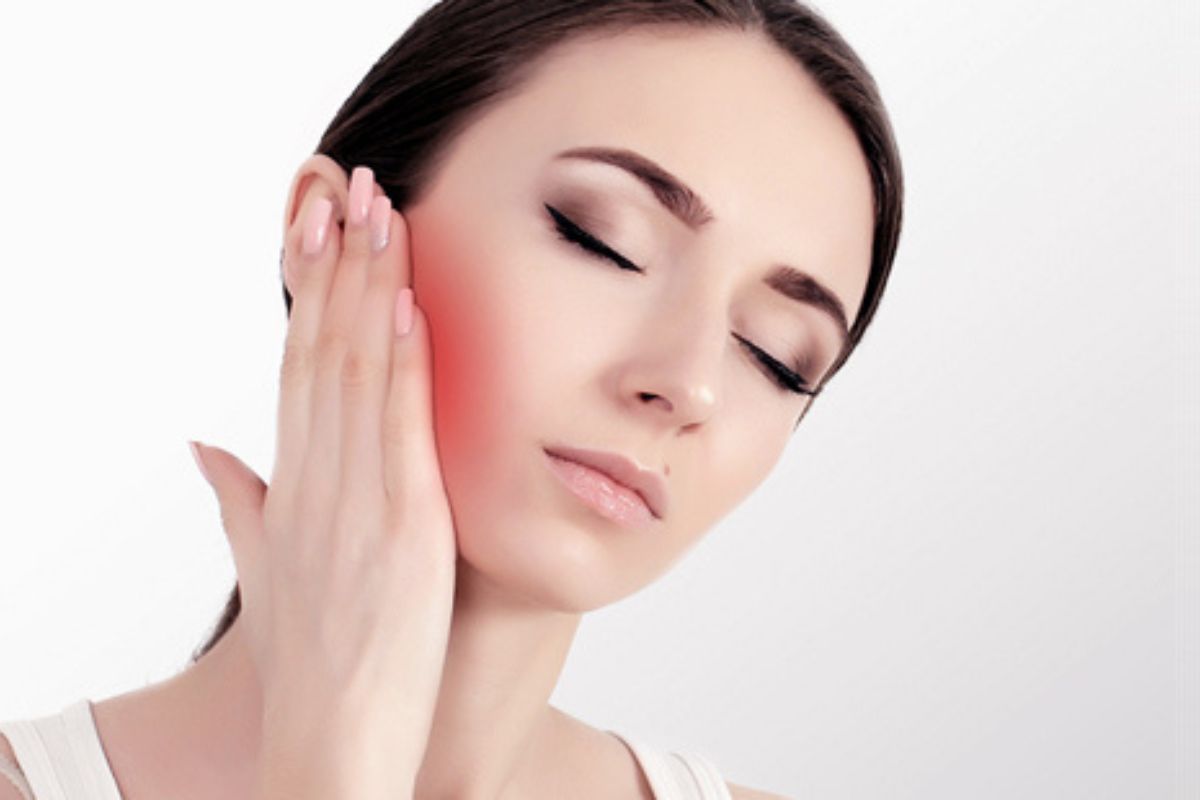
- Facial pain and ear discomfort
- Muscle stiffness in the jaw and neck
TMJ disorders can result from teeth grinding (bruxism), jaw clenching, trauma, arthritis, or stress, making the condition complex and multifactorial.
Traditional Approaches to TMJ Treatment
Before Botox, TMJ disorders were often managed with a combination of:
- Oral appliances or splints: Designed to prevent teeth grinding and jaw clenching
- Physical therapy: Stretching and strengthening exercises for jaw muscles
- Medications: Anti-inflammatory drugs, muscle relaxants, or pain relievers
- Lifestyle modifications: Stress management, avoiding hard foods, and practicing good posture
While these treatments are effective for many, some patients continue to experience chronic pain or muscle tension. This is where Botox therapy can provide a complementary solution.
How Botox Helps with TMJ Disorders
Botox is a purified form of botulinum toxin that temporarily relaxes overactive muscles. When injected into specific jaw muscles, Botox reduces muscle contractions, alleviates tension, and minimizes pain associated with TMJ disorders.
Key benefits of using Botox for TMJ include:
- Relief from Jaw Muscle Tension
Many TMJ patients suffer from tight or overactive jaw muscles. Botox relaxes these muscles, providing relief from clenching, grinding, and overall discomfort. - Reduction in Headaches and Migraines
Chronic tension in the jaw muscles can trigger headaches and migraines. By relaxing the affected muscles, Botox can help reduce the frequency and intensity of these headaches. - Improved Jaw Mobility
TMJ-related pain often restricts jaw movement. Botox injections can reduce muscle spasms, allowing for smoother, more comfortable jaw function. - Minimally Invasive and Quick Procedure
Botox injections are performed in-office, typically taking only 10–20 minutes. Patients experience minimal discomfort and can return to daily activities immediately. - Temporary but Repeatable Treatment
The effects of Botox usually last three to six months. Repeat injections help maintain pain relief and manage TMJ symptoms over time.
What to Expect During a Botox TMJ Treatment
During a Botox session for TMJ:
- The dentist or specialist evaluates your jaw muscles and identifies trigger points causing pain.
- A small amount of Botox is injected directly into the targeted muscles.
- Patients may experience slight discomfort at the injection sites, but no anesthesia is typically required.
- Results gradually appear over a few days, with full relief usually achieved within one to two weeks.
Because Botox targets muscle tension rather than the joint itself, it is often used in conjunction with other TMJ therapies for optimal results.
Is Botox Right for You?
Botox for TMJ is ideal for patients who:
- Have persistent jaw muscle pain despite traditional treatments
- Experience chronic teeth grinding or clenching
- Suffer from tension headaches linked to TMJ
- Are looking for a non-surgical, minimally invasive solution
It may not be suitable for everyone, particularly patients with certain medical conditions or allergies to botulinum toxin. A thorough consultation with a qualified dentist or TMJ specialist is essential to determine the best treatment plan.
Maintaining TMJ Health After Botox
While Botox provides relief, it’s important to combine it with ongoing TMJ management strategies, such as:
- Using custom night guards to prevent grinding
- Practicing jaw-stretching exercises
- Managing stress with relaxation techniques
- Avoiding hard or chewy foods that strain the jaw
- Attending regular follow-ups to monitor progress
By combining Botox with lifestyle modifications and professional care, patients can achieve longer-lasting relief and improved quality of life.
Botox offers a modern, effective, and minimally invasive solution for managing TMJ disorders, especially for patients struggling with persistent muscle tension and jaw pain. While it doesn’t cure the underlying joint issues, it can significantly reduce discomfort, improve jaw mobility, and enhance daily function.
If you are dealing with chronic jaw pain, headaches, or muscle tension caused by TMJ, Botox may be the innovative solution you need to restore comfort and quality of life.
Book an appointment with our experienced dental team to learn how Botox therapy can help relieve your jaw discomfort and improve your daily life.