Foods to Avoid After Getting a Dental Crown
Blog
Foods to Avoid After Getting a Dental Crown
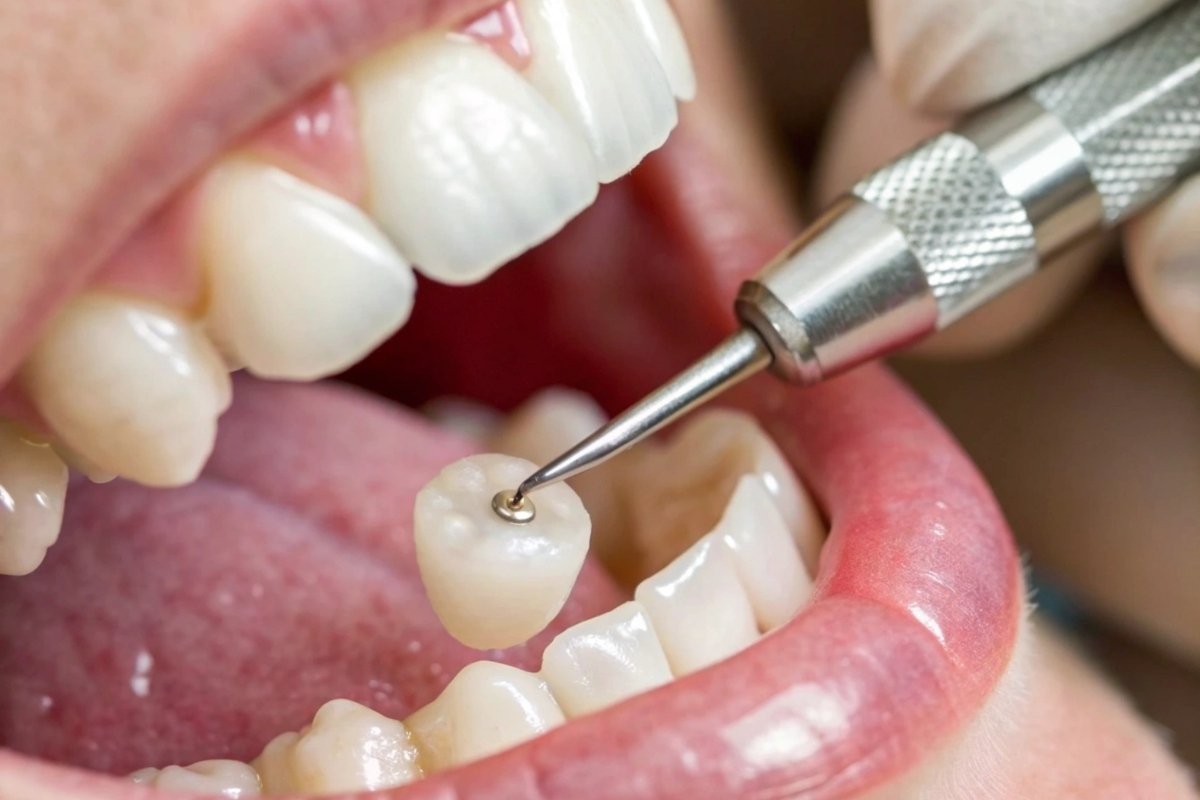
A dental crown is a durable, tooth-shaped cap designed to restore the function, strength, and appearance of a damaged tooth. Whether you’ve had a crown placed for a cracked tooth, after a root canal, or to improve the appearance of a smile, proper care is essential for long-lasting results.
One of the most important aspects of post-crown care is being mindful of your diet. Certain foods can damage a new crown, loosen it, or even cause pain during the healing period. Understanding what to avoid can help protect your investment and ensure your crown lasts for years to come.
Why Diet Matters After a Dental Crown
After a dental crown is placed, your tooth may be slightly sensitive, and the surrounding gum tissue may take a few days to fully heal. Crowns are strong, but they are not indestructible. Consuming the wrong foods too soon can:
- Dislodge or loosen the crown
- Cause cracks or chips in the crown material
- Irritate sensitive gums
- Lead to decay under the crown if sugary foods linger
For the first few weeks after getting a crown, it’s important to avoid hard, sticky, and sugary foods and focus on softer, nutrient-rich options that promote healing.
Foods to Avoid After Getting a Dental Crown
1. Hard Foods
Crunchy or hard foods can place excessive pressure on your new crown. Biting into these items can cause cracking or loosening, especially if the crown has not fully set. Avoid:
- Hard candies and lollipops
- Ice cubes
- Nuts and hard seeds
- Raw vegetables like carrots or celery (unless cut into small pieces)
2. Sticky and Chewy Foods
Sticky foods can pull at the crown and dislodge it from your tooth. They also have a tendency to get stuck around the gum line, promoting bacterial growth. Avoid:
- Caramel and taffy
- Chewing gum
- Gummy candies
- Sticky toffee or fruit chews
3. Sugary Foods and Drinks
While not directly harmful to the crown itself, sugary foods can increase the risk of decay at the margin where the crown meets the natural tooth. Avoid:
- Soda and energy drinks
- Candy bars
- Sweet pastries and desserts
- Excessive sugary coffee or tea drinks
4. Extremely Hot or Cold Foods
Some patients experience temporary sensitivity after getting a crown, especially if a root canal was performed. Extremely hot or cold foods and drinks can trigger discomfort during this healing period. Avoid:
- Ice-cold beverages
- Hot coffee or tea (allow it to cool slightly)
- Hot soups or broths until your mouth feels comfortable
5. Tough Meats
While protein is important for healing, certain meats can be too tough to chew comfortably immediately after crown placement. Avoid:
- Steak or other chewy cuts of beef
- Jerky or dried meat
- Large pieces of chicken or pork (opt for shredded or tender-cooked versions)
Recommended Foods After a Dental Crown
Focusing on softer, low-risk foods can make the first few days or weeks post-crown easier and more comfortable. Some good options include:
- Mashed potatoes or soft cooked vegetables
- Scrambled eggs or soft omelets
- Yogurt, smoothies, or milkshakes
- Oatmeal, rice, and soft pasta
- Soft fruits like bananas or applesauce
These foods allow you to chew gently without putting unnecessary pressure on your new crown while providing the nutrients your body needs to heal.
Tips for Protecting Your Crown Long-Term
Even after the initial healing period, taking care of your crown will help it last for years:
- Avoid using your teeth as tools. Don’t bite nails, open packages, or chew pens.
- Practice good oral hygiene. Brush gently twice a day and floss carefully around the crown to prevent decay at the margins.
- Wear a mouthguard if you grind your teeth. Grinding can damage both natural teeth and crowns.
- Schedule regular dental checkups. Routine exams and cleanings help detect issues before they become major problems.
- Limit extremely hard or sticky foods long-term. Even strong crowns can chip under repetitive stress.
When to Contact Your Dentist
If your crown feels loose, causes persistent pain, or if you notice swelling or irritation around the gum line, contact your dentist immediately. Early intervention can prevent more serious complications, such as crown failure or infection.
Protect Your Smile: Be Mindful of Your Diet
Your dental crown is an investment in your oral health and your smile. By avoiding hard, sticky, or overly sugary foods, you can protect your crown and reduce the risk of complications. Gentle care, combined with good oral hygiene, ensures your crown lasts for years while keeping your smile healthy and functional.
Have questions about your new dental crown or need guidance on proper post-care? Now schedule your appointment!