
What Are Dental Bridges and How Do They Work?
Blog
What Are Dental Bridges and How Do They Work?
A dental bridge is a common solution for replacing missing teeth, helping restore both function and appearance to your smile. For those considering a bridge, understanding what it is and how it works can help you make an informed decision. With the help of an experienced dentist, dental bridges can provide a seamless solution for a natural-looking, complete smile.
What is a Dental Bridge?
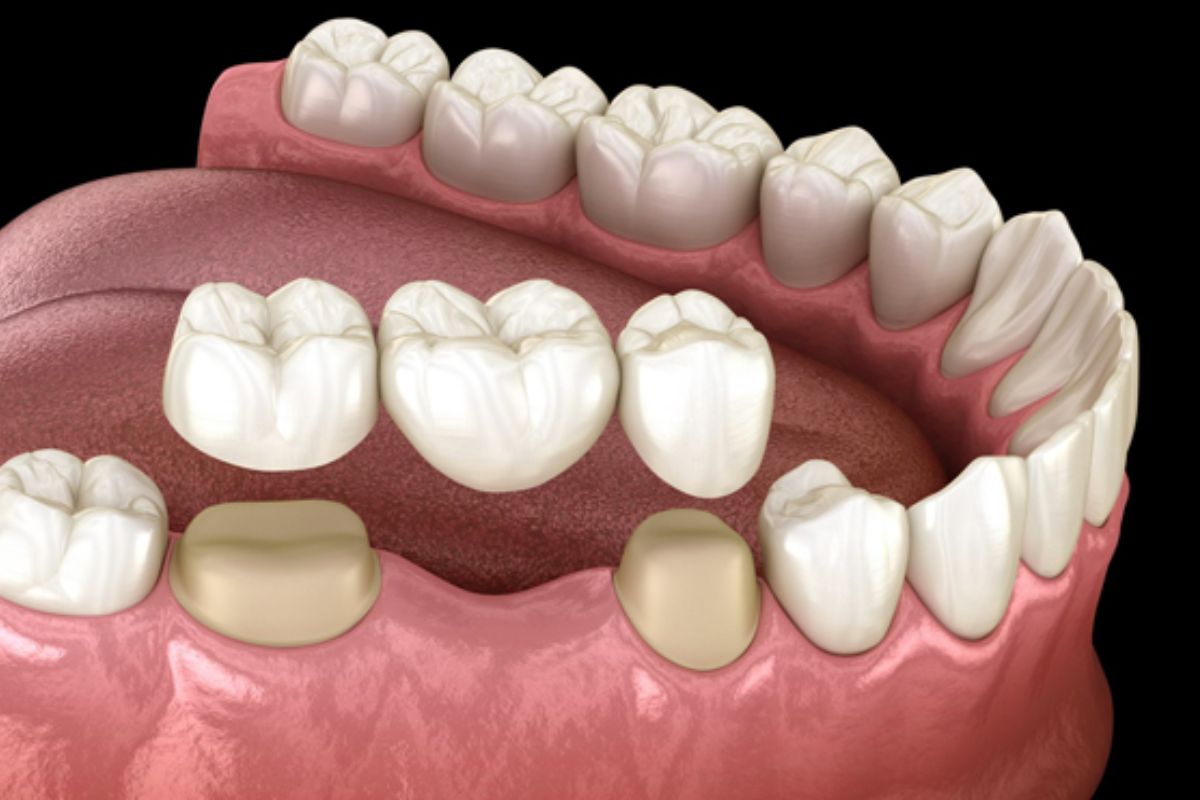
A dental bridge is a dental restoration designed to “bridge” the gap created by one or more missing teeth. It consists of one or more artificial teeth (called pontics) that are anchored in place by crowns on the adjacent teeth or, in some cases, by dental implants. A dentist can help you choose the right bridge for your needs based on the number of missing teeth, their location, and your overall dental health.
Types of Dental Bridges
There are several types of dental bridges available, and your dentist can recommend the best option for you:
Traditional Bridges
- These are the most common types and involve creating crowns for the teeth on either side of the missing tooth, with a pontic in between. They work best when you have natural teeth on both sides of the gap.
Cantilever Bridges
- These bridges are anchored by a single crown, making them suitable for areas of the mouth where there’s only one adjacent tooth.
Maryland Bonded Bridges
- This type uses a metal or porcelain framework to attach the pontic to the back of adjacent teeth. Maryland bridges are less invasive but may not be as durable as traditional options.
Implant-Supported Bridges
- For those with multiple missing teeth, implant-supported bridges offer added stability by anchoring to dental implants rather than natural teeth. These require surgical implant placement, which your dentist Boynton Beach can discuss with you.
How Does a Dental Bridge Work?
A dental bridge fills the gap left by missing teeth and is held in place by abutment teeth or dental implants. The procedure usually involves these steps:
Consultation and Examination
- During your first visit, your dentist will evaluate your oral health, discuss your goals, and determine the type of bridge that’s best for you.
Preparing the Abutment Teeth
- For traditional and cantilever bridges, the adjacent teeth (abutments) are shaped to fit the crowns. This step is crucial to ensure the bridge fits comfortably and securely.
Taking Impressions
- Impressions are taken to create a custom bridge that matches the shape, color, and size of your natural teeth.
Fitting the Bridge
- Once the bridge is crafted, it is fitted over the abutment teeth or implants, and any adjustments are made to ensure a natural fit.
Securing the Bridge
- The bridge is then cemented into place or attached to implants, creating a stable restoration that restores both appearance and function.
Benefits of Dental Bridges
Dental bridges offer multiple benefits that make them a popular choice for replacing missing teeth. Here’s why a dental bridge from your dentist might be the right choice:
- Restores Smile and Facial Structure
- By filling the gap, a dental bridge helps maintain the natural shape of your face and prevents teeth from shifting.
- Improves Chewing and Speaking Abilities
- Missing teeth can make it hard to chew or speak clearly, but a bridge restores these functions effectively.
- Provides a Long-Lasting Solution
- With proper care, dental bridges can last for many years, offering a durable solution to tooth loss.
- Maintains Proper Alignment of Teeth
- Gaps from missing teeth can cause surrounding teeth to shift. A bridge keeps your teeth in proper alignment and helps prevent potential dental issues.
Caring for Your Dental Bridge
Once you have a dental bridge, proper care is essential to keep it in great shape. Follow these care tips recommended by your Oceanside dentist:
- Brush twice daily with fluoride toothpaste, and use a soft-bristled toothbrush to keep your bridge and natural teeth clean.
- Floss around the bridge daily to remove plaque buildup.
- Visit your dentist for regular cleanings and checkups to monitor the health of your bridge and surrounding teeth.
Conclusion
A dental bridge is a practical, effective solution for restoring missing teeth and can provide years of comfort and confidence. If you’re considering a dental bridge, consult Oceanside Family Dental to explore your options and find the best fit for your needs. With the right care and expertise, you can enjoy a restored smile that looks and feels natural.