Teeth Whitening for Sensitive Teeth: Safe Solutions for a Bright Smile
Blog
Teeth Whitening for Sensitive Teeth: Safe Solutions for a Bright Smile
Everyone loves the idea of a bright, white smile, but for those with sensitive teeth, teeth whitening can seem like a daunting task. The good news is that teeth whitening for sensitive teeth is entirely possible with the right approach. Whether you’re seeking professional treatment or using at-home products, there are safe solutions that can help you achieve the smile you’ve always wanted without the discomfort.
In this blog, we’ll discuss the causes of tooth sensitivity, why it happens during teeth whitening, and what safe solutions are available for sensitive teeth. We’ll also provide some practical tips on how to maintain your newly whitened smile without aggravating your sensitivity.
What Causes Tooth Sensitivity?
Tooth sensitivity occurs when the protective layers of your teeth—enamel and cementum—wear down, exposing the underlying dentin. Dentin is filled with microscopic tubes that lead to nerve endings, and when exposed, these nerve endings can be stimulated by hot, cold, sweet, or acidic foods and beverages, leading to discomfort or pain.
There are several reasons why people develop tooth sensitivity, including:
- Enamel Erosion: Caused by acidic foods, brushing too hard, or grinding your teeth.
- Gum Recession: This can expose the roots of your teeth, which are more sensitive than the enamel-covered crown.
- Dental Treatments: Certain dental procedures, including teeth whitening, can temporarily increase tooth sensitivity.
- Tooth Decay or Damage: Cavities or cracks in the teeth can also expose the dentin, leading to sensitivity.
Why Teeth Whitening Can Cause Sensitivity
Teeth whitening treatments often contain bleaching agents like hydrogen peroxide or carbamide peroxide, which penetrate the enamel to break down stains. During this process, the dentin layer may be exposed, or the bleaching agents might irritate the nerve endings within the teeth, leading to temporary sensitivity. This is especially true for people who already have sensitive teeth.
However, sensitivity caused by teeth whitening is usually temporary and should subside a few days after the treatment. The key is to choose whitening products and methods that are designed with sensitive teeth in mind.
Safe Solutions for Whitening Sensitive Teeth
If you have sensitive teeth but still want a brighter smile, there are several safe solutions available. Here are some options to consider:
Professional Whitening for Sensitive Teeth
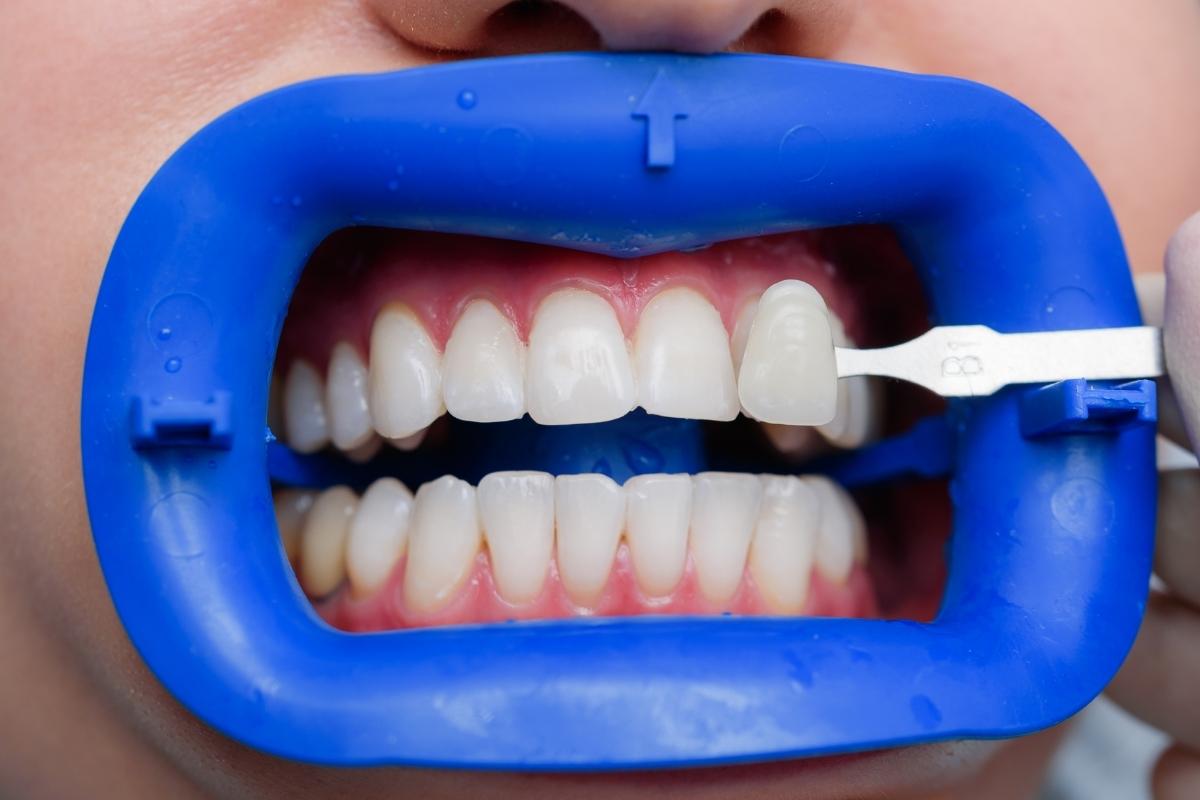
For those with sensitive teeth, visiting a dentist for a professional teeth whitening treatment is one of the safest options. Dentists can tailor the procedure to your specific needs, using lower concentrations of bleaching agents to minimize discomfort while still delivering effective results. Additionally, dentists can apply desensitizing treatments before and after the whitening process to help protect your teeth.
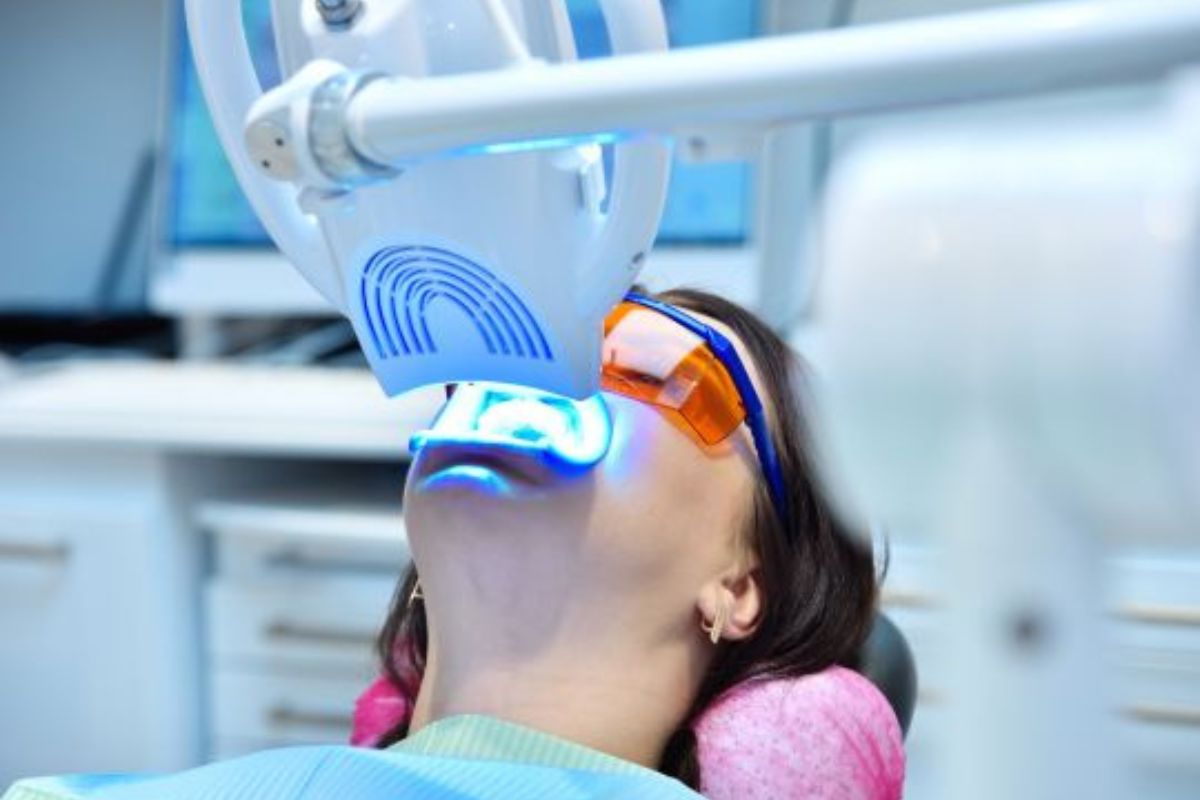
Some professional whitening systems, such as those that use laser or light activation, may offer a more controlled application of the bleaching agents, reducing the risk of sensitivity.
At-Home Whitening Kits for Sensitive Teeth
If you prefer to whiten your teeth at home, there are many over-the-counter products designed specifically for sensitive teeth. These products typically contain lower levels of peroxide and are formulated with ingredients that help reduce sensitivity.
Look for at-home whitening kits that include desensitizing gels or strips, which are applied before or after the whitening treatment to help protect your teeth. Some popular options include whitening strips for sensitive teeth, whitening toothpaste with mild abrasives, and customized whitening trays that fit your teeth perfectly.
Whitening Toothpaste for Sensitive Teeth
Whitening toothpaste is another gentle option for brightening your smile over time. These toothpastes typically use milder abrasives to remove surface stains without causing excessive wear to your enamel. In addition, many whitening toothpastes are formulated with potassium nitrate or strontium chloride, ingredients that help block the nerve signals in your teeth and reduce sensitivity.
While whitening toothpaste won’t deliver dramatic results as quickly as professional treatments, it’s a good option for maintaining a white smile with minimal sensitivity.
Desensitizing Products
Desensitizing toothpaste and gels can help alleviate sensitivity both during and after whitening treatments. These products work by blocking the pathways from the surface of the tooth to the nerve, reducing the likelihood of discomfort.
If you’re planning to whiten your teeth, start using a desensitizing toothpaste a couple of weeks before your treatment. Continue using it during and after the treatment to maintain comfort.
Custom-Made Whitening Trays
Custom-made whitening trays, provided by your dentist, offer a safe and effective option for whitening sensitive teeth. These trays fit your teeth perfectly, ensuring that the whitening gel is evenly distributed without irritating your gums. Additionally, dentists can adjust the concentration of the whitening gel to suit your sensitivity level.
Tips for Reducing Sensitivity During Teeth Whitening
Regardless of which whitening method you choose, following these tips can help reduce sensitivity during and after your treatment:
- Use a soft-bristled toothbrush: Brushing too hard with a stiff brush can aggravate sensitivity. Opt for a soft-bristled toothbrush and brush gently to avoid further wear on your enamel.
- Avoid extremely hot or cold foods and beverages: After whitening, your teeth may be more sensitive to temperature changes. Stick to lukewarm foods and beverages until the sensitivity subsides.
- Take breaks between treatments: If you’re using an at-home whitening kit, consider spacing out the treatments to give your teeth time to recover in between sessions.
- Consult your dentist: If your sensitivity persists or worsens, consult your dentist. They can recommend stronger desensitizing treatments or adjust your whitening regimen.
Maintaining Your White Smile with Sensitive Teeth
Once you’ve achieved your desired level of whiteness, it’s important to maintain your smile without aggravating your sensitivity. Avoid foods and drinks that stain your teeth, such as coffee, tea, and red wine. Use a straw when drinking acidic or staining beverages to minimize contact with your teeth.
Additionally, continue using products designed for sensitive teeth, such as whitening toothpaste with desensitizing ingredients. Regular visits to your dentist for cleanings and check-ups will also help keep your smile bright and healthy.
Teeth whitening for sensitive teeth is not only possible but can also be done safely with the right approach. Whether you opt for professional treatment or a gentle at-home option, some solutions can help you achieve a brighter smile without the discomfort. By using desensitizing products, choosing the right whitening method, and following best practices, you can enjoy the benefits of a whiter smile while keeping your teeth healthy and comfortable.